
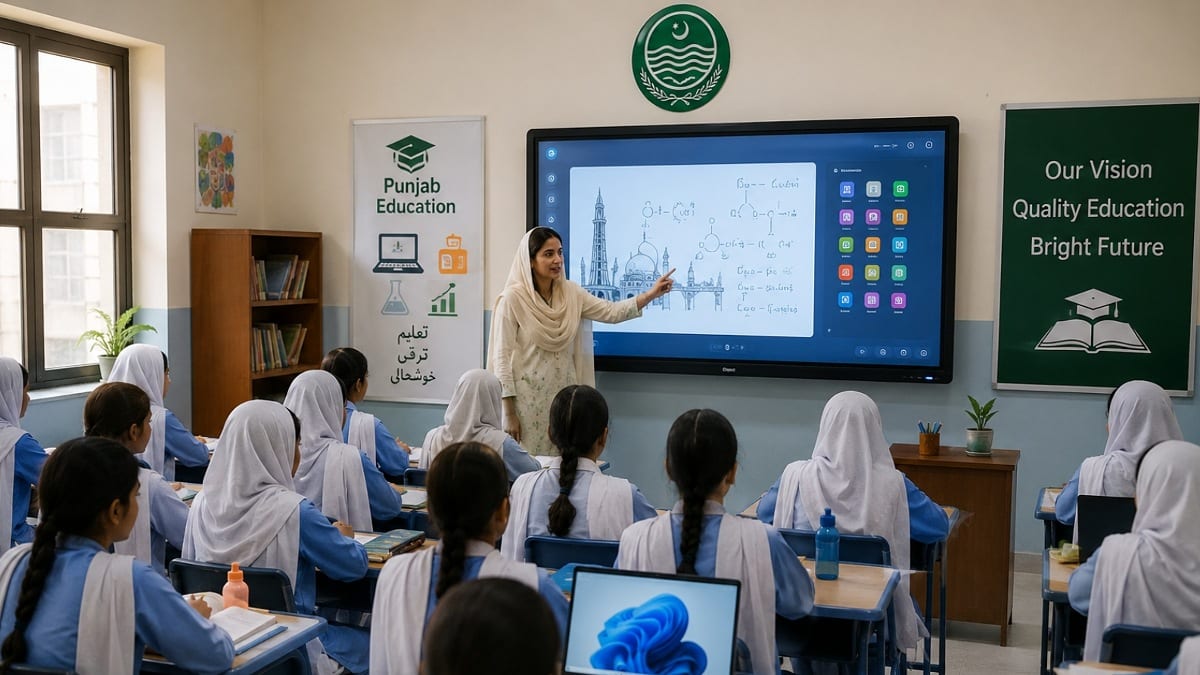
Punjab has taken significant steps toward modernizing education by introducing artificial intelligence in primary schools. The initiative aimed to prepare young students for a technology-driven future through early digital learning experiences. However, the project has faced unexpected delays because many government schools still lack the necessary technological infrastructure.
Artificial intelligence is becoming an essential part of education systems across the world. Many countries have already started teaching basic digital concepts to children at an early age. Punjab also planned to follow this trend by introducing AI education from Grade I to Grade V in government schools.
Punjab’s AI Education Plan Faces Delays
The Punjab government announced an ambitious plan to include artificial intelligence education in primary classrooms. The objective was to help students understand modern technologies while developing logical thinking and problem-solving abilities. Although the academic framework has already been prepared, official approval is still pending before implementation begins.
The Punjab Education Curriculum, Training and Assessment Authority (PECTAA) successfully completed the proposed curriculum earlier this year. Unfortunately, the required notification has not yet been issued by the concerned authorities. Without formal approval, textbook development, printing processes, and classroom planning cannot move forward successfully.
The delay has raised concerns among educators, parents, and education experts throughout the province. Many believe students should receive modern digital education without unnecessary administrative obstacles. At the same time, officials recognize that practical challenges must be addressed before introducing artificial intelligence education effectively.
Schools Lack Basic Technology Infrastructure
One of the biggest reasons behind the delayed rollout involves the poor technological condition of government primary schools. Thousands of schools across Punjab still operate without computer laboratories or sufficient digital equipment. This situation makes classroom-based AI learning almost impossible under current conditions.
Many schools located in rural areas have never provided students with access to computers. Children continue studying through traditional methods because digital learning resources remain unavailable. Weak internet connectivity and frequent electricity interruptions further complicate efforts to introduce technology-based education.
Educational technology requires reliable infrastructure before any advanced curriculum can produce meaningful learning outcomes. Without functioning computer labs, students cannot experience practical activities involving artificial intelligence concepts. Experts believe infrastructure improvements should become the government’s immediate priority before launching new technology subjects.
Funding Remains a Major Challenge
Providing artificial intelligence education across Punjab requires substantial financial investment. The government must improve school infrastructure while ensuring technology remains available for long-term educational needs. The following financial challenges continue slowing the implementation process:
- Budget limitations make immediate province-wide implementation difficult.
- Establishing computer laboratories requires significant development funding.
- Schools need computers, digital devices, and updated educational software.
- Reliable internet services increase recurring operational expenses.
- Equipment maintenance and technical support require continuous investment.
AI May Be Introduced Through Existing Subjects
Education officials are now considering a more practical approach for introducing artificial intelligence concepts. Instead of creating a completely separate subject immediately, AI lessons could become part of existing classroom subjects. This strategy may allow students to begin learning digital concepts without waiting for full infrastructure development.
Basic topics related to artificial intelligence can easily connect with mathematics, science, and computer education. Students could gradually understand problem-solving, logical reasoning, and responsible technology use through familiar classroom activities. This phased approach would reduce implementation pressure while infrastructure improvements continue simultaneously.
Several education experts support introducing artificial intelligence through existing textbooks during the initial phase. They believe gradual implementation offers flexibility while helping schools adjust to technological changes. Such planning may also reduce financial pressure until complete digital facilities become available.
Teachers Need Professional AI Training
Qualified teachers play the most important role in the successful implementation of artificial intelligence education. Without proper training, even the best curriculum cannot deliver meaningful learning experiences for students. The following challenges highlight why teacher development should become a priority:
- Well-trained educators can deliver interactive and meaningful AI lessons.
- Most primary-school teachers have not received AI-specific training.
- Digital teaching skills need continuous professional development.
- Practical workshops can improve classroom technology integration.
- Teachers require knowledge of computational thinking and AI concepts.
Classroom Readiness Is Equally Important
Successful artificial intelligence education requires more than updated textbooks and government announcements. Modern classrooms should provide interactive learning environments supported by digital devices and practical educational activities. Students understand technology better when they actively participate rather than simply reading theoretical information.
Education specialists recommend focusing on creativity, logical reasoning, critical thinking, and responsible digital citizenship during primary education. Young learners should gradually explore technology through age-appropriate classroom experiences instead of complicated programming lessons. This balanced approach encourages curiosity while building essential future-ready skills.
Practical classroom activities help children understand how technology solves everyday problems. Interactive lessons also improve communication, teamwork, and analytical thinking among young students. These educational benefits become difficult to achieve without suitable classroom resources and technological support.
Why Early AI Education Matters
Artificial intelligence continues transforming industries, workplaces, and everyday life across the world. Introducing digital education during primary school helps students develop confidence with emerging technologies from an early age. Strong digital foundations prepare learners for future academic opportunities and changing career demands.
Early exposure to artificial intelligence also encourages innovation, creativity, and curiosity among children. Students become better prepared to understand modern technological developments while using digital tools responsibly. These valuable skills support lifelong learning beyond traditional classroom education.
Countries investing in early digital education often create stronger future workforces capable of adapting to technological advancement. Punjab’s long-term vision reflects this important educational objective despite current implementation challenges. Continued investment can eventually help students compete successfully in the global digital economy.
The Road Ahead for Punjab
Punjab’s commitment to introducing artificial intelligence education demonstrates its intention to modernize public education systems. Although current challenges have delayed implementation, long-term planning remains essential for sustainable educational development. Authorities must address infrastructure shortages before expecting successful technology-based learning outcomes.
Improving internet access, electricity reliability, computer availability, and teacher training should become immediate priorities. Once these essential foundations are established, artificial intelligence education can expand gradually across government schools. Careful planning will ensure students receive practical learning experiences instead of theoretical classroom instruction.
The success of artificial intelligence education depends upon cooperation between policymakers, educators, schools, and local communities. Consistent investment and strategic implementation will help transform today’s challenges into tomorrow’s educational achievements. Punjab still has the opportunity to build a stronger technology-driven education system for future generations.
Conclusion
Punjab’s vision for introducing artificial intelligence education remains promising despite current infrastructure challenges and implementation delays. With better planning, stronger investment, and improved classroom readiness, government schools can successfully prepare students for a technology-driven future while creating equal digital learning opportunities for every child.
For timely updates on admissions, scholarships, education policies, and public sector vacancies, make sure to visit the News Section on Parhlo Pakistan.