
MY University Islamabad: Everything You Need Before You Apply

MY University

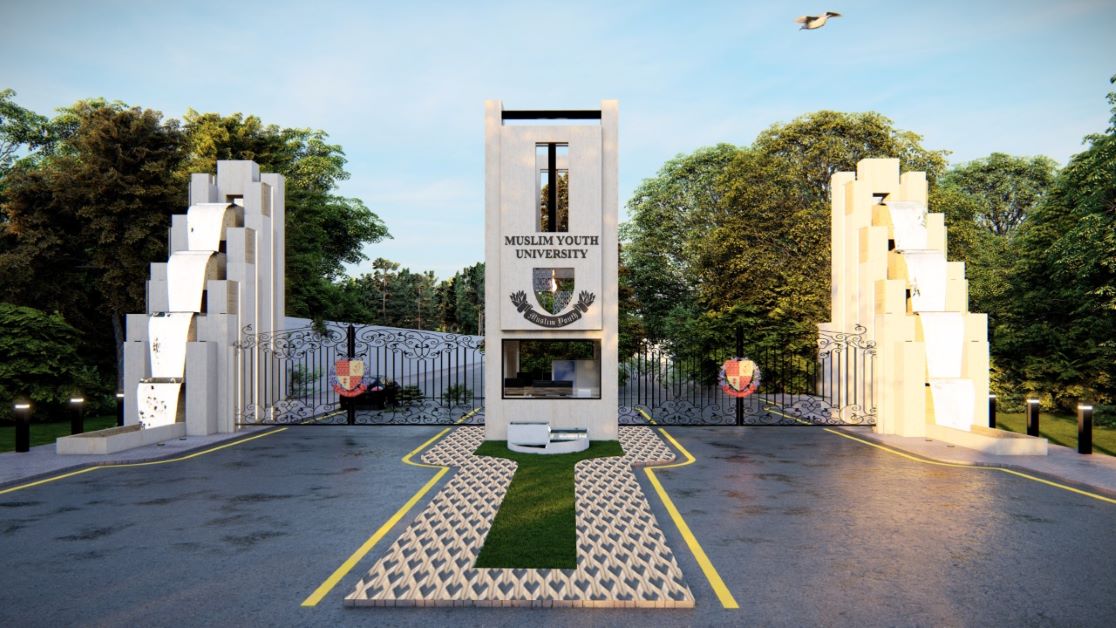
MY University (officially Muslim Youth University) is a private, HEC-recognized university on Japan Road, Islamabad. It’s co-ed, PEC-accredited for engineering, and offers programs from associate degrees right up to PhD.

If you’re a student or a parent trying to figure out whether this is worth the fee, here’s the real picture — no sugarcoating.

About MY University

MY University is a federally chartered, private-sector university, established through an Act of Parliament. It runs on a semester system and is recognized by HEC. Its Civil and Electrical Engineering programs carry PEC accreditation, which matters a lot if your child wants to become a licensed engineer later.

The campus is on Japan Road, Islamabad. It’s co-education — boys and girls study in the same classes, same campus.

  • Full Name: Muslim Youth University (MY University / MYU)
  • University Type: Private Sector, Federally Chartered
  • Main Location: Japan Road, Islamabad, Pakistan
  • HEC Status: Fully Recognized Degree-Awarding University
  • PEC Accreditation: Civil & Electrical Engineering programs accredited
  • Study Options: On-campus, full-time

The university groups its programs under 11 faculties: Engineering & Technology, Computer Science, Management Sciences, Allied Health Sciences, Social Sciences & Humanities, Natural Sciences, Basic & Applied Sciences, Languages & Literature, Law, Pharmacy, and Islamic Studies & Sharia.

Programs and Degrees

Here’s what’s actually on offer, organized by field. Not every listed program runs every intake — always confirm current availability before applying.

Engineering:

  • BS Civil Engineering (4 years, PEC accredited)
  • BS Electrical Engineering (4 years, PEC accredited)
  • MS Civil Engineering, MS Electrical Engineering
  • PhD Civil Engineering

Computer Science & IT:

  • BS Computer Science, BS Software Engineering, BS Cyber Security, BS Artificial Intelligence
  • BSCS 2-Year Bridge Program (for ADP/associate degree holders)
  • MS Computer Science, MS Cyber Security
  • PhD Computer Science

Business:

  • BBA, BS Economics
  • MBA
  • MS Management Sciences, PhD Management Sciences

Social Sciences & Humanities:

  • BS International Relations (plus a 2-year bridge program), BS Psychology, BS English
  • MS/MPhil International Relations, MPhil Psychology, MPhil English, MPhil Urdu
  • PhD International Relations, PhD English, PhD Urdu, PhD Education

Allied Health Sciences:

  • Doctor of Physical Therapy (DPT) — 5 years
  • BS Human Nutrition & Dietetics, BS Anesthesia Technology, BS Radiography and Imaging Technology, BS Dental Technology, BS Optometry, BS Medical Lab Technology, BS Skin Care Technology, BS Gynecological Care Technology

Law & Pharmacy:

  • LLB — 5 years
  • Doctor of Pharmacy (D-Pharm) — 5 years

Islamic Studies:

  • BS Islamic Studies, MPhil Islamic Studies, PhD Islamic Studies

Education:

  • B.Ed (1.5 years, for degree holders) and B.Ed (4 years)
  • MPhil Education, PhD Education

One thing worth flagging: the DPT and D-Pharm are 5-year professional degrees, not standard 4-year BS programs — don’t confuse the duration or fee when comparing with a regular bachelor’s.

Fee Structure

This is straight from the university’s official fee page, so treat these as accurate. Every program also carries a flat PKR 5,000 utilities fee per semester on top of tuition.

One-time charges at admission: Processing fee PKR 2,000 (non-refundable), admission fee PKR 20,000 (non-refundable), misc fee PKR 2,000, ID card fee PKR 500, and a refundable security deposit of PKR 10,000.

ProgramTuition/Semester (PKR)+ UtilitiesTotal/Semester
BS Civil Engineering130,0005,000135,000
LLB125,0005,000130,000
D-Pharm125,0005,000130,000
DPT115,0005,000120,000
BS Computer Science99,5005,000104,500
BBA90,0005,00095,000
BS Radiography & Imaging Technology85,0005,00090,000
BS Psychology72,5005,00077,500
MS Computer Science / Cyber Security95,0005,000100,000
MS Civil Engineering95,0005,000100,000
BS English / B.Ed (4 years)64,0005,00069,000
BS Medical Lab Technology65,0005,00070,000
BS International Relations53,0005,00058,000
B.Ed (1.5 years)40,0005,00045,000
BS Islamic Studies30,0005,00035,000
MBA70,0005,00075,000
PhD Computer Science120,0005,000125,000
PhD English165,0005,000170,000

No installment plan. MYU’s official fee policy states the full semester’s tuition must be paid in advance, before the semester starts — there’s no monthly or split-payment option listed. If you’ve heard otherwise from an agent or a third party, verify directly with the finance office before assuming you can split payments; we could not confirm any installment exception on the official fee page.

There’s also a 5% advance tax on fee if your total payable exceeds PKR 200,000/year, unless your parent or guardian is an active taxpayer or lives outside Pakistan. It’s adjustable in your annual tax return, so it’s not really extra cost — just plan the cash flow.

Admissions: How to Apply

Admissions typically run twice a year, for Fall and Spring semesters. The process depends on your program, but the shape is roughly the same for every undergraduate degree.

Step 1: Check eligibility. Requirements differ by program:

  • Civil/Electrical Engineering: 60% marks in HSSC Pre-Engineering
  • Computer Science: 50% marks in HSSC (Pre-Engineering, ICS, or Pre-Medical)
  • International Relations: 45% marks in HSSC or equivalent

Students still waiting for their HSSC Part-II result can apply provisionally.

Step 2: Gather your documents. You’ll generally need:

  • Matriculation and Intermediate marksheets/certificates
  • CNIC or Form-B copy
  • Father/guardian’s CNIC copy
  • Passport-size photographs
  • IBCC equivalence certificate (for O/A-Level applicants)

Step 3: Take an entry test. You don’t have to sit MYU’s own test if you already have a score from one of these:

  • MY University Entrance Test
  • NAT (NTS)
  • HAT (HEC’s ETC)
  • SAT-I (for O/A-level students)

Step 4: Merit calculation. For most BS programs, merit is worked out as: 20% SSC marks + 30% HSSC Part-I marks + 50% entry test score. So the entry test carries the heaviest weight — worth preparing for properly rather than winging it.

Step 5: For MS/PhD applicants — merit works differently. It’s 40% GAT General/MYU test + 40% BS CGPA + 10% interview + 10% professional experience.

For exact test dates, subjects covered, and the admission calendar for the current intake, check MYU’s official academic calendar — this changes every session, so don’t rely on last year’s dates. We couldn’t independently verify a specific entry-test question format (e.g. number of MCQs or subject-wise percentage split), so ask the admissions office for a sample paper before test day — MYU’s site does list a sample test link.

Scholarships: What’s Actually on Offer

MYU has one of the more detailed scholarship policies among private universities in Islamabad — worth checking carefully because most students don’t realize how many categories exist.

Merit scholarship at entry (based on Intermediate marks):

  • 95%+ marks → 100% tuition waiver (first semester)
  • 85–94.99% → 50% waiver
  • 80–84.99% → 20% waiver

Merit scholarship for continuing students (based on CGPA/SGPA each semester):

  • CGPA & SGPA ≥ 3.90 → 75% waiver
  • CGPA & SGPA ≥ 3.80 → 50% waiver
  • CGPA ≥ 3.70 & SGPA ≥ 3.75 → 25% waiver

Only a limited number of students qualify each semester (capped around 10% of enrollment), and you need a full course load to be eligible.

Other scholarships worth knowing about:

  • Need-based aid — up to 20%, capped at 10% of enrollment, requires minimum 3.00 CGPA
  • Kinship discount — 20% for siblings/family of current students or alumni (max two kin)
  • Disability scholarship — 50% waiver
  • Students from Gilgit-Baltistan, Kashmir (female), Balochistan & FATA — 20% each
  • Out-of-station female students (outside Rawalpindi/Islamabad) — 20%
  • Students from nearby villages (Pind Malkan, Chakiyan, Sihala, and others) — 30%
  • Teachers get 20% off; their children get 15% off

Important: you can only use one scholarship at a time — they don’t stack. So if you qualify for two, you’ll be placed in whichever gives the bigger benefit, not both combined.

Campus Life

Here’s where we have to be honest: detailed, independently verified info on hostel facilities, food quality, and day-to-day campus vibe isn’t something we could confirm from official sources at the time of writing. If hostel accommodation matters to your decision, call the admissions office directly (admissions@myu.edu.pk / 051-2355222) and ask current students on MYU’s Facebook page before deciding — don’t take third-party blog claims at face value.

What we can confirm: the campus is located on Japan Road, Islamabad, and it’s a single co-ed campus (not split by gender), with dedicated faculty buildings for engineering, computer science, allied health sciences, and other departments.

Jobs After Graduation

MYU doesn’t publish detailed alumni salary data publicly, so treat any specific salary figure you see elsewhere with caution — we couldn’t verify a starting salary range from an official source, so we’re not going to invent one here.

What we can say with more confidence:

  • PEC-accredited Civil and Electrical Engineering degrees mean graduates are eligible to register with the Pakistan Engineering Council, which is a requirement for working as a licensed engineer in Pakistan.
  • Allied health science graduates (DPT, MLT, radiography, etc.) generally work in hospitals, diagnostic labs, and clinics — fields where demand has been steadily growing in Pakistan.
  • BBA/MBA and Computer Science graduates typically go into banking, corporate roles, software houses, and IT firms, similar to graduates from other mid-tier private universities.

How Does It Compare?

If you’re also considering other private universities in Islamabad, here’s a rough sense of where MYU sits:

  • Vs. COMSATS Islamabad: COMSATS has stronger name recognition and research output, especially in computer science and engineering, but MYU’s fees for comparable programs tend to run lower.
  • Vs. Bahria University: Bahria has a bigger, more established campus and stronger corporate hiring links for business and engineering grads. MYU is smaller and newer, but its allied health sciences range (DPT, dental tech, optometry, etc.) is broader than what Bahria offers.
  • Vs. Riphah International University: Riphah is generally considered stronger for medical and health sciences specifically, given its hospital affiliations. MYU competes more on price and program variety.

If your priority is brand name and alumni network, COMSATS or Bahria might edge ahead. If your priority is lower fees with PEC/HEC-recognized degrees and a wide health sciences range, MYU is a reasonable pick — but always weigh this against your specific program, not the university’s overall name.

Frequently Asked Questions

1. Is MY University recognized by HEC and PEC?

Yes. MYU is HEC-recognized as a chartered university, and its Civil and Electrical Engineering programs are PEC-accredited.

2. Is MY University co-education?

Yes, it’s a co-ed campus — no separate campuses for male and female students.

3. Can I pay MYU fees in installments?

No. Fee is charged per semester, and the full semester amount is due in advance before classes start. There’s no monthly or split-payment option currently listed on the official fee policy.

4. What entry test do I need for admission?

It depends on your program, but MYU accepts its own entry test, NTS’s NAT, HEC’s HAT, or SAT-I for undergraduate admission. Entry test score carries 50% weight in the merit formula for most BS programs.

5. Are scholarships available, and can I get more than one?

Yes, MYU offers merit, need-based, and several regional/category-based scholarships. However, you can only avail one scholarship at a time — they aren’t combined.

6. What jobs can I get after graduating from MYU?

Depends on your field — PEC-accredited engineering degrees qualify you for professional engineering registration, allied health graduates typically work in hospitals and labs, and business/CS graduates go into banking, corporate, and IT roles. We couldn’t find an official published salary range, so be cautious of specific salary figures quoted elsewhere.

7. Where exactly is the campus located?

MY University is on Japan Road, Islamabad.

8. How do I contact MYU admissions?

Email admissions@myu.edu.pk or call +92 341 2698698 / +92 336 1970054 / (051) 2355222.

Leave a Reply

Your email address will not be published. Required fields are marked *