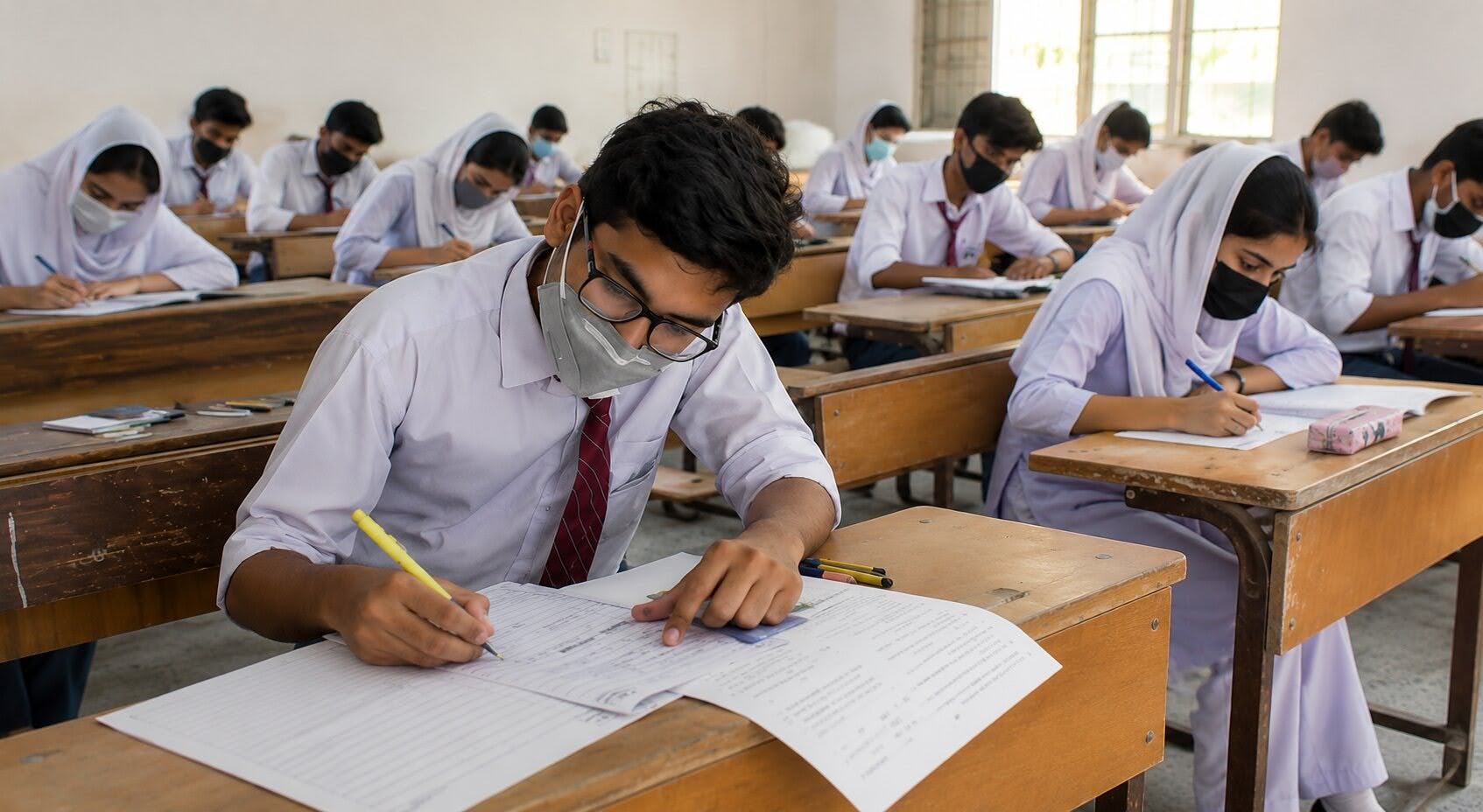

Pakistan has introduced another important environmental initiative supporting cleaner cities and healthier educational environments nationwide. The federal government recently approved legislation banning plastic book covers throughout Islamabad educational institutions completely. This important development strengthens national environmental policies while encouraging sustainable habits among younger student communities.
Islamabad Introduces Historic Environmental Reform
The federal administration approved significant legislation addressing increasing plastic pollution affecting urban communities across Pakistan recently. Authorities believe educational institutions should actively support national efforts promoting environmentally responsible practices and sustainability nationwide. Therefore, the Islamabad Plastic Book Covers Bill 2026 received widespread appreciation from environmental activists and educators.
The National Assembly officially approved this landmark legislation after detailed discussions regarding harmful plastic waste accumulation nationwide. MNA Syed Naveed Qamar introduced the proposal, highlighting severe environmental consequences caused by non-recyclable plastic materials. Consequently, Islamabad became the first federal territory implementing restrictions specifically targeting plastic-wrapped educational books nationwide.
Understanding Pakistan’s Growing Plastic Waste Crisis
Pakistan currently produces millions of tonnes annually, creating serious environmental and public health concerns nationwide continuously. Thin plastic materials frequently enter rivers, drainage systems and landfills, causing dangerous contamination throughout urban communities. Environmental experts believes that immediate reforms remain essential for protecting natural ecosystems and improving public sanitation conditions.
Plastic pollution negatively affect the wildlife habitats, damages water resources and contributes toward recurring urban flooding during monsoons. Reports indicate thin plastic films cause nearly forty percent of drainage blockages throughout Islamabad during heavy rainfall. Therefore reducing unnecessary single-use plastic products became an urgent priority within Pakistan Environmental Reforms 2026 initiatives.
Challenging Misconceptions About Plastic Covers
Many parents and students traditionally believed plastic covers provided superior durability protecting educational books from everyday damage. However, environmental authorities described this assumption misleading because alternative materials deliver comparable protection without harmful environmental consequences. Consequently, schools are now encouraged adopting sustainable materials including cloth covers, biodegradable sheets, and recycled paper.
The legislation strongly supports Eco-Friendly School Book Covers promoting reusable and environmentally safe educational wrapping alternatives nationwide. Authorities expect these sustainable options significantly reducing landfill waste generated annually across Islamabad educational institutions and households. Additionally, environmental organizations partnered with schools ensuring affordable transition processes without increasing financial pressure upon parents.
Strict Enforcement Measures and Penalties
Government authorities introduced strict monitoring procedures ensuring educational institutions and businesses fully comply with new environmental regulations immediately. District administration officials received powers conducting inspections and confiscating prohibited plastic materials whenever violations become officially confirmed. These measures demonstrate governmental commitment toward establishing cleaner educational environments and promoting responsible environmental practices nationwide.
First-time violators may face penalties reaching fifty thousand rupees under newly approved environmental protection regulations within Islamabad. Repeat violations could result penalties increasing toward one hundred thousand rupees alongside possible public disclosure consequences afterward. Authorities believe strict enforcement remains necessary ensuring businesses abandon harmful plastic practices supporting sustainable educational environments effectively.
Pakistan Strengthens National Plastic Reduction Policies
The federal initiative follows recent provincial measures restricting plastic bags and related environmentally harmful products across Sindh province. Sindh authorities implemented similar regulations after cabinet approval supporting broader environmental protection efforts throughout Pakistan during recent months. Consequently, federal and provincial governments now cooperate closely strengthening national waste management infrastructure and sustainability strategies.
Environmental campaigners consistently argued educational plastic covers contribute significantly toward unnecessary pollution despite appearing relatively insignificant initially nationwide. Most plastic wrappers become discarded immediately after purchasing books, increasing overall waste accumulation within urban communities rapidly. Therefore, the Single-Use Plastic Ban Pakistan movement strongly supported legislation targeting educational materials and packaging products.
Positive Impact on Public Health and Urban Infrastructure
The government believes reducing plastic waste will improve sanitation systems and public health conditions across major Pakistani cities. Environmental experts explained that thin plastic materials frequently block drainage systems during heavy monsoon rainfall every year. These blockages increase flooding risks while spreading contaminated water throughout densely populated urban residential communities.
- Reduced blockage within Islamabad’s urban sewage and drainage systems.
- Lower flooding risks during heavy monsoon rainfall seasons.
- Improved public sanitation and healthier residential environments.
- Decreased pollution affecting rivers, canals, and underground water resources.
- Stronger enforcement against unnecessary single-use plastic materials nationwide.
Authorities also confirmed the Federal Plastic Ban Pakistan initiative closes important loopholes involving educational packaging materials previously overlooked. Earlier environmental regulations sometimes exempted educational supplies, allowing distributors continuing harmful plastic wrapping practices without restrictions. Consequently, this legislation represents another meaningful step supporting cleaner cities and stronger Pakistan Environmental Reforms 2026 policies nationwide.
Implementation Timeline and Industry Adjustments
The Ban on Plastic Covers in Schools will officially become effective ninety days following presidential approval procedures nationwide. Publishers and stationery distributors received temporary grace periods allowing responsible disposal or utilization of existing plastic stock responsibly. However, authorities warned businesses against stockpiling prohibited materials attempting bypassing environmental regulations before enforcement officially begins.
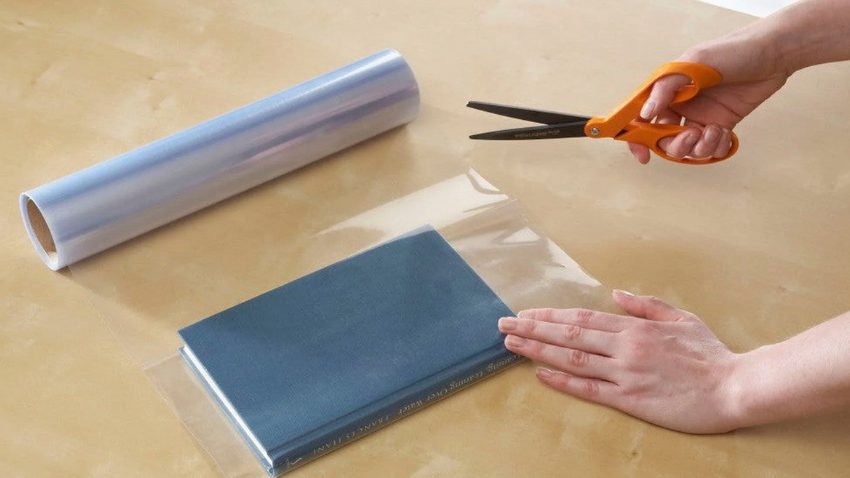
Customs officials received instructions preventing imports involving thin plastic rolls commonly used wrapping educational books throughout Islamabad markets. Major publishing companies already adopted recycled paper bands alongside cloth-based book binding alternatives supporting environmental sustainability objectives nationwide. Although some industry representatives expressed concerns regarding transition expenses, cooperation continues improving implementation progress and operational planning.
Public Response Supports Plastic-Free Educational Environments
Public reaction regarding this legislation remains overwhelmingly positive among educators, parents, students, and environmental organizations throughout Islamabad communities recently. Parent-teacher associations launched awareness campaigns encouraging sustainable habits while promoting reusable alternatives replacing harmful plastic wrapping materials nationwide. Students also participate creatively decorating cloth covers through school competitions supporting environmental awareness and artistic expression simultaneously.
Government authorities additionally announced incentives encouraging businesses manufacturing biodegradable educational materials meeting approved sustainability standards nationwide effectively. These incentives aim supporting innovation while expanding affordable access toward environmentally friendly alternatives for educational institutions and families. Consequently, Pakistan continues encouraging businesses contributing positively toward cleaner environments and responsible manufacturing practices throughout national markets.
Future Outlook for Environmental Reforms in Pakistan
Environmental experts predict additional cities including Lahore, Karachi, and Peshawar may soon implement similar environmental regulations nationwide successfully. Islamabad’s initiative established an important precedent demonstrating educational reforms can effectively support broader sustainability and pollution reduction goals. Consequently, Pakistan Environmental Reforms 2026 continue gaining momentum encouraging stronger nationwide environmental protection measures and public participation.
The success of this legislation may inspire future restrictions targeting additional single-use plastic products across Pakistan urban centers nationwide. Authorities believe gradual policy expansion combined public awareness campaigns can significantly reduce pollution affecting communities and ecosystems. Therefore, Islamabad currently serves an influential example demonstrating practical environmental reforms benefiting future generations across Pakistan successfully.
About Parhlo Pakistan
Parhlo Pakistan remains a trusted digital platform sharing important educational, environmental, technology and national development news regularly. The website provides readers informative articles covering government initiatives, scholarship opportunities, policy updates, and student-focused developments nationwide. Through engaging and reliable reporting Parhlo Pakistan continues helping audiences stay informed regarding positive changes shaping Pakistan future.
Conclusion
The decision banning plastic book covers represents an encouraging step toward cleaner schools and environmentally responsible educational practices nationwide. Islamabad’s leadership demonstrates practical environmental reforms can successfully reduce pollution while inspiring sustainable habits among younger generations. As Pakistan strengthens environmental protection policies these initiatives promise healthier communities, improved sanitation and greener educational environments nationwide.