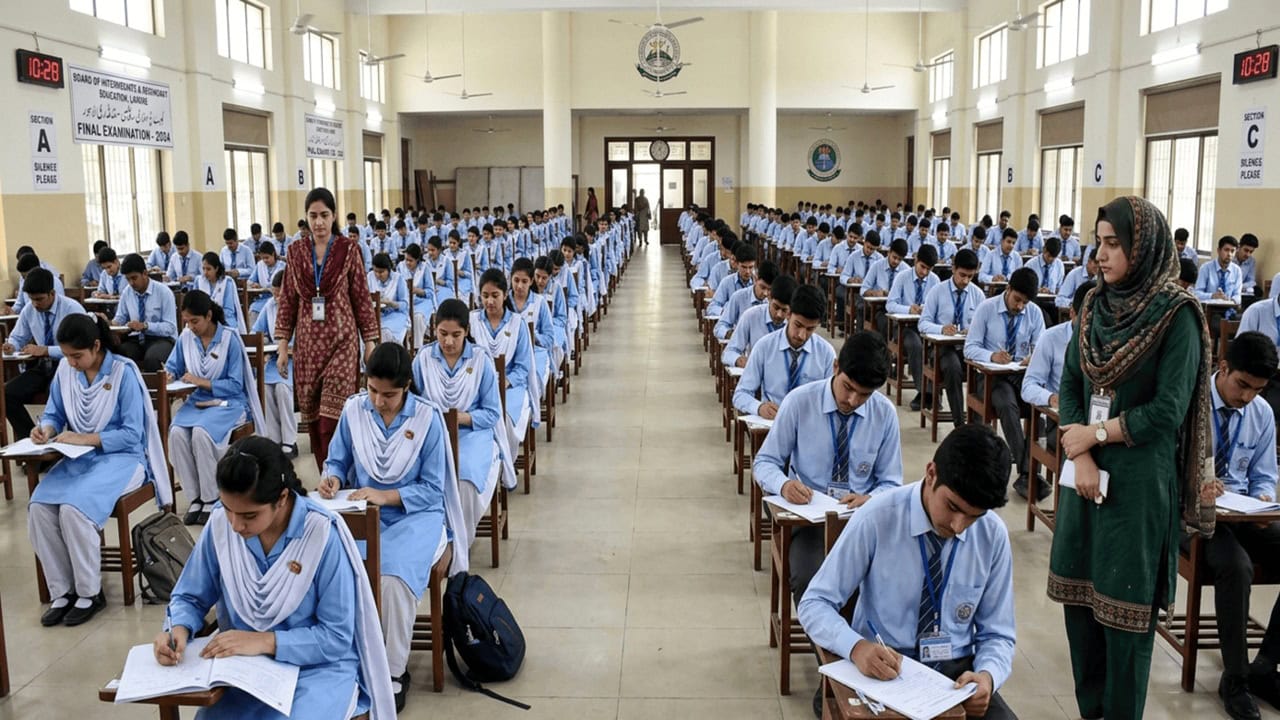

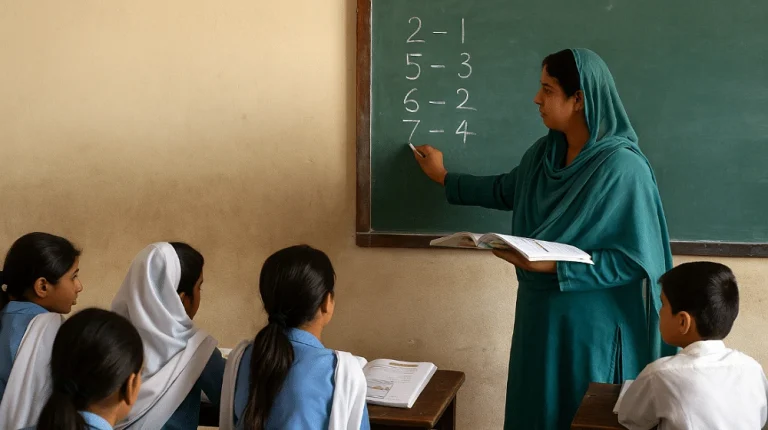
Punjab government has taken a progressive step by approving performance based allowance for school teachers. This decision reflects a strong commitment to improving education quality and enhancing educational outcomes across Punjab.
Experts believe that this policy will encourage professionalism, accountability and continuous improvement among the teaching staff. This initiative has been welcomed by educators seeking appreciation for their hard work and dedication.
Overview of the Performance Based Allowance Policy
Under the newly approved policy school teachers across Punjab will receive monthly financial incentives. These incentives are directly linked to teaching level and measurable professional performance outcomes. The performance based allowance is designed to appreciate effective teaching and positive student engagement. Officials expect this structure to create healthy competition and raise academic standards provincewide.
Categories of Teachers Covered Under the Policy
The allowance applies to teachers working in primary, elementary, high and higher secondary schools. Each category has been assigned a specific monthly amount aligned with responsibility levels. This structured approach ensures fairness while recognizing increasing academic demands at higher teaching stages. The Punjab government emphasized transparency and consistency in implementing this performance based allowance policy.
Allowance for Primary School Teachers
Primary school teachers will receive a monthly allowance of Rs 5,000 under the approved framework. These teachers play an important role in shaping foundational learning and student behavior. Officials believe early education quality strongly influences long term academic success. Rewarding primary teachers financially acknowledges their importance within the education system.
Benefits for Elementary School Teachers
Elementary school teachers are set to receive a monthly performance based allowance of Rs 7,500. At this stage students develop critical thinking and subject understanding. The Punjab government considers this level essential for academic transition and stability. Financial incentives aim to support better instructional methods and classroom discipline.
Financial Incentives for High School Teachers
High school teachers will receive a higher monthly allowance amounting to Rs 10,000. This reflects the increased academic pressure and examination responsibilities at secondary levels. Teachers handling board classes face demanding performance expectations and workload challenges. The allowance recognizes their role in preparing students for future academic pathways.
Higher Secondary Teachers Receive Maximum Allowance
Teachers serving at the higher secondary level will receive the highest allowance of Rs 12,500 monthly. These educators prepare students for university admissions and professional careers. Their performance directly impacts provincial merit rankings and national competitiveness. The Punjab government aims to retain skilled teachers through this attractive financial recognition.
Focus on Performance and Accountability
Officials from the Punjab Education Department stated that the allowance is strictly performance based. Teachers demonstrating consistent results, professional behavior and effective teaching methods will qualify. This approach shifts focus from seniority based rewards to merit based recognition. Authorities believe this system promotes accountability and educational excellence.
Impact of Financial Incentives on Teacher Motivation
Education policymakers believe financial incentives significantly influence workplace motivation and commitment. Teachers who feel valued are more likely to invest extra effort in lesson planning. The performance based allowance encourages innovation, punctuality and improved assessment strategies. Ultimately students benefit from energized and motivated educators.
Expected Improvements in Student Learning Outcomes
The Punjab government has emphasized that student learning outcomes remain the policy’s central objective. Improved teacher motivation directly contributes to better classroom engagement and academic performance. Authorities expect measurable improvements in literacy, numeracy and examination results. This initiative aligns with long term educational reform goals.
Strengthening Education Quality Across Punjab
Education experts argue that recognizing teacher performance strengthens institutional culture and morale. When efforts are acknowledged, teachers feel respected and professionally satisfied. This positive environment reduces burnout and increases retention across public schools. The performance based allowance supports sustainable human resource development in education.
Addressing Long Standing Teacher Compensation Issues
The policy also addresses long standing concerns about stagnant teacher compensation structures. Many educators previously lacked incentives tied to classroom effectiveness. The new system introduces fairness by rewarding actual performance rather than tenure alone. Such reforms reflect modern education management principles globally.
Teachers’ Response to the New Allowance
Teachers across Punjab have expressed optimism regarding this financial initiative. Many see it as overdue recognition of their dedication and classroom challenges. Rising inflation and living costs had strained teacher morale previously. The performance-based allowance offers meaningful financial relief and professional encouragement.
Transparency and Monitoring of Implementation
The Punjab government plans to monitor implementation closely to ensure transparency. Performance evaluation criteria will be standardized and regularly reviewed. Authorities aim to prevent favoritism and ensure deserving teachers receive rewards. Effective monitoring will be essential for maintaining trust in this initiative.
Encouraging Professional Development Among Educators
Education administrators believe this policy will encourage continuous professional development among teachers. Educators may pursue training, certifications and innovative teaching practices. The desire to qualify for allowances can drive lifelong learning habits. This ultimately benefits students and strengthens institutional capacity.
Public and Parental Reaction to the Policy
Parents and education advocates have welcomed the initiative as a positive reform. Improved teacher motivation is expected to reflect in student discipline and academic focus. Communities hope public schools will regain competitiveness with private institutions. The Punjab government views this as a step toward educational equity.
Alignment with Broader Education Reforms
The performance based allowance also aligns with broader government education reforms. Authorities are investing in curriculum updates, teacher training, and digital learning tools. Financial incentives complement these structural improvements effectively. Together, these measures aim to modernize the Punjab public education system.
Challenges and the Need for Fair Evaluation
Experts highlight that financial motivation alone is not sufficient without proper evaluation mechanisms. Transparent performance indicators must reflect real classroom impact. The Punjab government has assured stakeholders of objective assessment standards. Balanced implementation will determine the long-term success of this initiative.
Support for Teachers in Remote Areas
Teachers working in remote and underdeveloped areas may benefit significantly from this allowance. These educators often face resource shortages and challenging teaching conditions. Financial incentives can help retain talent in underserved regions. This supports balanced educational development across Punjab.
Enhancing the Social Status of Teachers
The policy also sends a strong message about valuing the teaching profession. When governments invest in educators societal respect for teachers increases. Young graduates may consider teaching as a viable career choice. This helps address future teacher shortages effectively.
Long Term Vision of the Punjab Government
Education authorities expect gradual improvements rather than instant transformations. Behavioral and academic changes take time to reflect in outcomes. Consistency and patience will be important during the early implementation phase. The Punjab government remains committed to long term educational improvement.
Reducing Dependence on Private Tuition
Stakeholders believe this allowance may reduce reliance on private tuition. Better classroom teaching can minimize students need for external academic support. This benefits families financially and strengthens public school credibility. Quality education within schools remains the primary objective.
Role of School Administrators
School administrators will play a key role in successful policy execution. Fair reporting and unbiased evaluations are essential responsibilities. Proper training will be provided to ensure accurate performance assessments. Administrative integrity will safeguard the allowance’s credibility.
Learning from International Education Models
The initiative reflects international best practices in education management. Many developed systems link teacher incentives to performance metrics. Punjab adoption of this model demonstrates forward thinking governance. Continuous refinement will help align local practices with global standards.
About Parhlo Pakistan
Parhlo Pakistan is a trusted educational platform providing authentic news, updates and academic resources nationwide. The website focuses on delivering accurate information related to education, exams and government policies. Readers rely on Parhlo Pakistan for timely updates affecting students and teachers. Its commitment to quality content makes it a valuable knowledge source for Pakistan education community.
Conclusion
In conclusion the Punjab government approval of a performance based allowance marks a significant educational reform. The initiative recognizes teacher dedication while prioritizing improved student learning outcomes. Transparent implementation and consistent evaluation will determine its long term success. Overall this policy represents a positive step toward strengthening Punjab public education system.