
Pakistan continues facing a serious education crisis despite announcing the National Education Emergency more than two years ago. Millions of children remain deprived of classrooms, creating concerns about national development, literacy, and future economic stability. A recent policy review explains why progress remains slow despite several education reforms introduced across different provinces.
The latest findings reveal that out-of-school children in Pakistan remain among the highest worldwide despite constitutional education guarantees. Experts believe better planning, stronger governance, and increased investment are necessary for achieving meaningful educational improvements nationwide. The report encourages governments to transform ambitious education policies into practical actions benefiting children across every province.
Civil Services Academy Report Reveals the Current Situation
The Civil Services Academy prepared a detailed comparative policy review examining educational progress under the National Education Action Plan 2026. Researchers concluded that implementation remains weaker than planning despite several promising provincial education roadmaps already introduced. Effective execution now represents the greatest challenge preventing meaningful educational improvements throughout Pakistan.
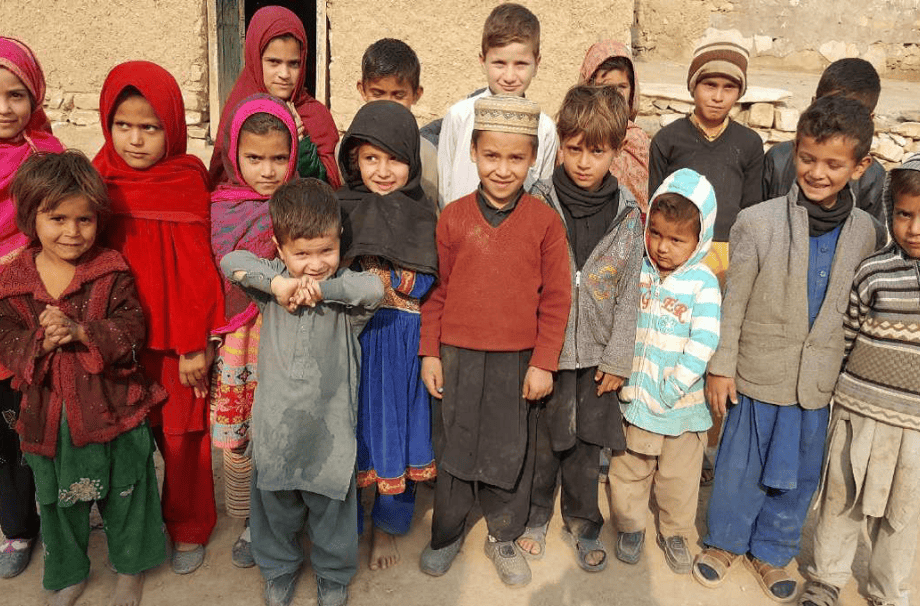
According to the report, Pakistan currently has between 25.1 million and 26 million children outside formal education systems. This alarming figure places Pakistan among countries carrying the world’s highest educational deprivation burden despite constitutional protections. These statistics highlight the urgent need for stronger policies supporting every child’s educational rights without unnecessary delays.
Why Pakistan Still Faces an Education Crisis
Pakistan’s education crisis has developed over many years due to a combination of structural, financial, and administrative challenges. The policy review highlights several key factors that continue limiting access to quality education across the country.
- Rapid population growth has increased the demand for schools and teachers.
- Public education infrastructure has not expanded fast enough to meet enrollment needs.
- Weak governance and fragmented policymaking have slowed education reforms.
- Limited funding has affected school development and learning resources.
- Social and economic inequalities continue preventing many children from attending school.
This combination of challenges has made it difficult to reduce the number of out-of-school children. Experts believe sustained investment, stronger governance, and effective implementation are essential for improving educational outcomes nationwide.
National Education Emergency Has Increased Awareness
The National Education Emergency successfully attracted political attention toward educational reforms after its official nationwide announcement. Government leaders acknowledged education as a national priority requiring immediate intervention through coordinated federal and provincial efforts together. However, experts emphasize that awareness alone cannot replace effective implementation supported by measurable educational outcomes.
Education policies become successful only when practical actions improve classrooms, teacher availability, student enrollment, and learning quality consistently. Regular monitoring helps authorities identify implementation weaknesses before educational problems become increasingly difficult solving successfully nationwide. Better accountability encourages stronger performance throughout educational institutions while supporting continuous policy improvements across Pakistan.
Punjab Carries the Largest Educational Burden
Punjab currently records the highest number of out-of-school children, creating enormous pressure upon provincial educational resources and planning. Estimates indicate between 9.6 million and 10.4 million children remain outside classrooms despite ongoing educational reform initiatives. These figures demonstrate why Punjab requires sustained educational investments alongside stronger enrollment and retention strategies immediately.
The provincial baseline report states approximately 6.4 million children have never entered formal education institutions successfully. Another 3.16 million students eventually discontinued education after enrolling because several social and economic challenges persisted. Student retention therefore remains equally important alongside encouraging first-time admissions across every educational district within Punjab.
Every Province Faces Different Educational Challenges
Pakistan’s provinces face different educational barriers, meaning a single nationwide solution cannot address every issue effectively. The report emphasizes that education policies should reflect local conditions to improve access, enrollment, and learning outcomes.
- Punjab: Faces the highest number of out-of-school children, requiring stronger enrollment and retention efforts.
- Sindh: Experiences high dropout rates, with climate-related disasters frequently disrupting education.
- Khyber Pakhtunkhwa: Struggles with difficult terrain, security concerns, and a shortage of female teachers in remote areas.
- Balochistan: Continues facing inactive schools, scattered populations, and limited institutional capacity.
Tailored provincial strategies can help overcome these region-specific challenges. With better planning and targeted investments, each province can make steady progress toward providing quality education for every child.
Better Governance Can Improve Educational Outcomes
Experts strongly recommend improving governance because stronger institutions directly support better educational planning, implementation, and accountability nationwide. Transparent decision-making ensures educational resources reach deserving schools while reducing unnecessary administrative delays affecting important development projects. Better governance also strengthens cooperation between governments, educational departments, teachers, and community organizations supporting educational reforms.
Regular evaluations help authorities measure educational progress while identifying challenges requiring immediate administrative attention across different provinces. Reliable data allows policymakers developing practical solutions addressing enrollment gaps and improving educational quality for future generations. Consistent monitoring ultimately increases public confidence while encouraging long-term improvements throughout Pakistan’s education sector.
Greater Investment Will Strengthen Education
The report emphasizes increasing educational funding remains essential for expanding quality learning opportunities across Pakistan’s rapidly growing population. Additional investments support school construction, classroom improvements, teacher recruitment, educational technology, and updated learning materials nationwide. Financial commitment creates stronger educational foundations supporting future economic growth and national social development successfully.
Communities, parents, teachers, and private organizations also share important responsibilities supporting children’s educational participation across Pakistan together. Collaborative efforts encourage greater school enrollment while reducing dropout rates through awareness and community-based educational initiatives consistently. Collective responsibility strengthens national progress toward reducing out-of-school children in Pakistan over upcoming years successfully.
Stay Updated with Parhlo Pakistan
Readers seeking reliable education updates, scholarship announcements, admission news, examination schedules, and government policies should regularly visit Parhlo Pakistan. The platform provides accurate information using simple language, helping students, parents, and professionals understand important educational developments easily. Regularly following Parhlo Pakistan keeps readers informed about education reforms, career opportunities, and significant national announcements affecting Pakistan.
Long-Term Solutions Require Practical Implementation
The Civil Services Academy concludes educational success depends upon practical implementation instead of ambitious policy announcements alone nationwide. Provincial governments should develop solutions reflecting local educational realities while maintaining strong coordination with federal authorities consistently. Flexible planning increases effectiveness because different provinces require different educational strategies addressing unique regional challenges successfully.
Long-term educational reforms demand patience, consistent investment, transparent governance, and measurable performance across every administrative level nationwide. Every successful educational improvement contributes directly toward stronger economic development, reduced poverty, and greater social stability throughout Pakistan. Continued commitment ensures millions of children receive educational opportunities supporting brighter futures and lifelong personal success.
Conclusion
Pakistan’s education challenges remain significant, yet meaningful progress remains achievable through stronger implementation and sustained national commitment together. Better governance, increased educational funding, and province-specific planning can gradually reduce the number of out-of-school children nationwide. Investing consistently in quality education today will create brighter opportunities, stronger communities, and lasting prosperity for future generations.
Make the Parhlo Pakistan News Section your daily destination for authentic education news, scholarship opportunities, academic updates, and the latest student information across Pakistan.