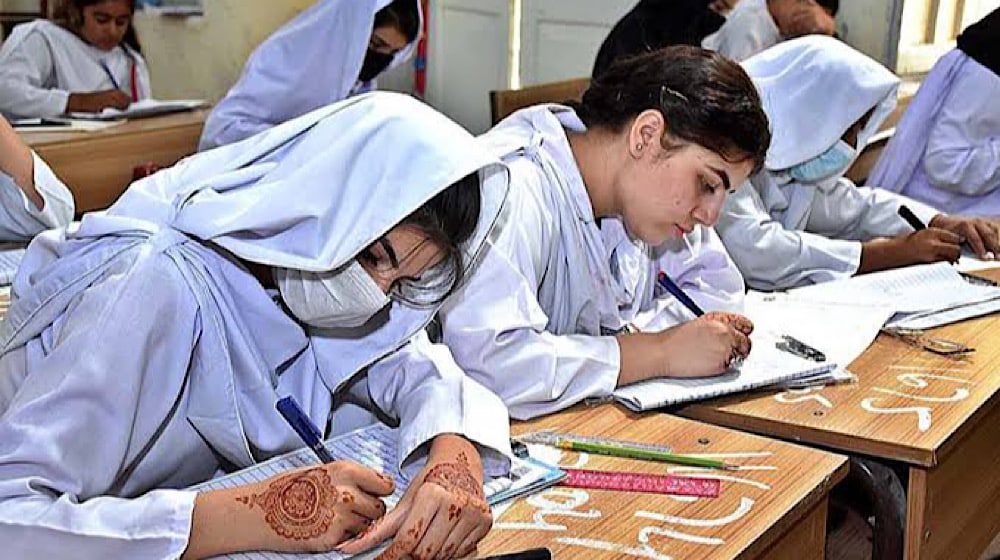

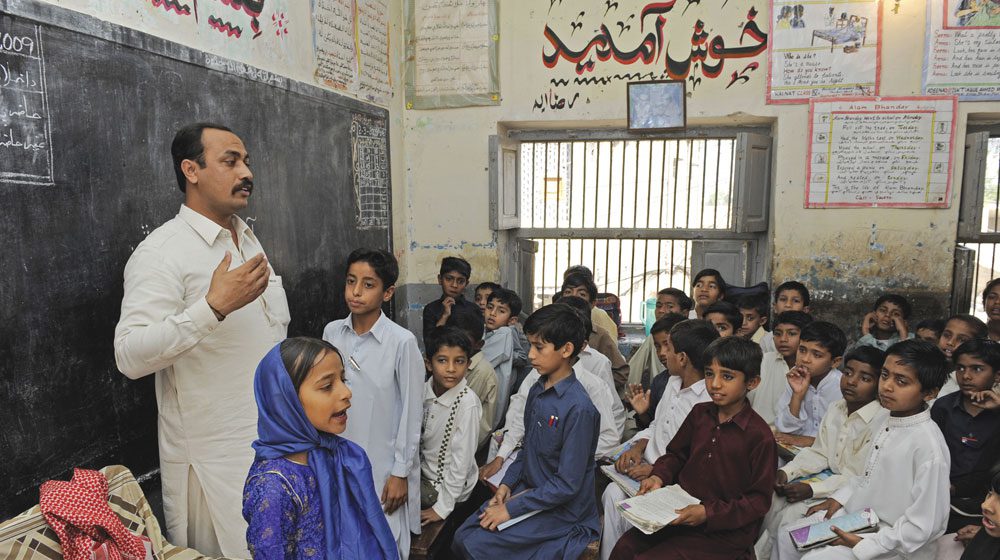
The Sindh Education Department has introduce a significant reforms targeting staffing challenges across government schools. These reforms aim to improve efficiency, strengthen administration and ensure educational resources remain balanced. The proposed policy includes voluntary retirement options and changes within existing recruitment procedures.
Educational authorities have long faced concerns regarding uneven teacher distribution across government institutions. Some schools currently have more teachers than required based on enrollment figures. Meanwhile, other institutions continue facing shortages that affect teaching quality and academic performance.
To address these challenges effectively officials have developed a comprehensive strategy focused on staffing rationalization. The initiative seek better workforce management while maintaining educational standards throughout Sindh. Policymakers believe these reforms can support sustainable improvements across the public education sector.
Understanding the Early Retirement Scheme
One major feature involves introducing a voluntary early retirement program for surplus teachers. This proposal follows concerns regarding excessive staffing levels within several government schools. Officials believe voluntary participation can reduce workforce imbalances without creating unnecessary complications.
The program is commonly described as a golden handshake scheme within administrative discussions. Eligible teachers may receive attractive retirement packages before reaching standard retirement age. Participation remains voluntary, allowing educators to make decisions according to personal circumstances.
Authorities emphasize that the scheme is designed to provide flexibility for affected teachers. Instead of enforcing compulsory measures, the department plans offering voluntary retirement opportunities. This approach helps maintain fairness while supporting broader workforce restructuring objectives.
Identifying Surplus Teachers
Before implementation, officials must accurately determine staffing requirements across educational institutions. A detailed verification process is currently being conducted using facial recognition technology. This initiative aims ensuring reliable records regarding teachers and enrolled students.
According to education authorities, accurate data remains essential before making administrative decisions. The verification process will reveal exact numbers regarding staff and student enrollment. Reliable information helps policymakers create balanced solutions benefiting schools throughout Sindh.
Once verification concludes, schools with staffing levels exceeding actual requirements will be identified. Teachers considered surplus may then receive information regarding available retirement options. Officials expect transparent procedures will encourage confidence among educators and stakeholders.
Role of Facial Recognition Verification
Facial recognition verification is an important part of the Sindh Education Department’s proposed reforms. The technology is being used to collect accurate information about teachers and students across government schools. Officials believe reliable data will support better planning and fair administrative decisions.
- Accurate identification of teachers and students.
- Updated and reliable educational records.
- Greater transparency within the education system.
- Improved workforce planning and resource allocation.
- Better decision-making based on verified information.
- Reduced chances of record discrepancies and errors.
Authorities believe that technology-driven verification can strengthen accountability and improve overall administrative efficiency. The collected data will help identify actual staffing requirements and support the successful implementation of future educational reforms.
Improving Resource Allocation
The proposed reforms focus heavily on improving resource allocation across government schools. Balanced staffing levels help ensure educational resources are distributed according to actual needs. This approach can enhance efficiency while supporting better learning environments for students.
When teacher distribution aligns with enrollment figures, schools can operate more effectively. Institutions facing shortages may benefit from improved staffing arrangements following reforms. Better workforce planning supports educational quality and strengthens institutional performance over time.
Education authorities believe responsible resource management remains essential for sustainable development goals. Reducing unnecessary staffing burdens may create opportunities for additional educational investments. These improvements could positively influence students, teachers and administrators throughout Sindh.
Administrative Reforms in Recruitment
Another significant proposal involves transferring recruitment authority for lower-grade staff positions. School headmasters may receive responsibility for hiring essential support personnel directly. This change aims simplifying administrative procedures while improving operational efficiency.
Support staff including watchmen, gardeners, and office attendants play important institutional roles. Allowing headmasters greater recruitment authority may accelerate hiring when positions become vacant. Faster recruitment processes can help schools maintain daily operations without unnecessary delays.
Officials believe decentralized recruitment can strengthen accountability at the institutional level. School leaders often understand operational requirements better than centralized administrative offices. Greater flexibility may therefore support efficient workforce management across educational institutions.
Reducing Budgetary Pressure
Education Minister Sardar Shah highlighted concerns regarding excessive recruitment practices from previous years. Maintaining surplus employees places considerable financial pressure upon departmental resources and budgets. Addressing these challenges remains important for ensuring long-term financial sustainability.
The proposed early retirement scheme may help reduce recurring expenditures gradually over time. Lower staffing costs could allow resources supporting priority educational programs and initiatives. Financial efficiency remains an important objective within the broader reform framework.
Officials stress that responsible budget management benefits both institutions and educational development. Savings generated through rationalized staffing can support improvements benefiting students directly. Better financial planning strengthens the department’s capacity for future educational investments.
Benefits for Government Schools
The proposed reform are expected to bring several positive changes to government schools across the Sindh. By ensuring that staffing level match student enrollment educational institutions can operate more efficiently and utilize resources more effectively. These improvements may contribute to better management and stronger academic environments.
- Balanced staffing according to enrollment needs.
- Improved administrative efficiency and school management.
- Better allocation of educational resources.
- Enhanced learning environments for students.
- Increased transparency in workforce management.
- Stronger institutional performance and accountability.
Education officials believe that these measures will help schools function more effectively while supporting the quality education. A well managed workforce and efficient resource distribution can create long term benefits for students, teachers and school administrations throughout the province.
Potential Impact on Teachers
Teachers identified as surplus will receive opportunities rather than mandatory retirement requirements. The voluntary nature ensures individuals maintain control over important career decisions. This approach demonstrates consideration for professional circumstances and personal preferences.
Some educators may view retirement packages as beneficial opportunities for future planning. Others may prefer continuing service within the education sector whenever possible. Providing choices helps accommodate diverse professional and financial situations among teachers.
Open communication remains essential during implementation to address concerns and expectations effectively. Clear information regarding eligibility and benefits can support informed decision-making processes. Transparency helps maintain confidence throughout periods of organizational change.
Long-Term Educational Outcomes
The broader objective extends beyond staffing adjustments and administrative restructuring measures alone. Policymakers seek creating a more efficient and responsive educational system statewide. Long-term planning remains essential for supporting consistent educational progress and development.
Balanced teacher distribution can positively influence classroom experiences and academic outcomes significantly. Students benefit when educational resources align appropriately with institutional requirements. Effective management practices contribute toward stronger educational performance across government schools.
Continued monitoring and evaluation will remain important following implementation of proposed reforms. Regular assessments will help identifying successes while addressing the emerging challenges promptly. This commitment supports sustainable improvements throughout Sindh public education framework.
Parhlo Pakistan – Your Source for Educational Updates
For readers seeking reliable educational news, exam updates, and policy developments nationwide, Parhlo Pakistan remains a valuable resource. The platform regularly publishes informative articles covering admissions, academic announcements and educational reforms. Students, teachers and parents can stay inform through timely updates and helpful educational content.
Conclusion
The Sindh to Bring Early Retirement Scheme for Teachers initiative represents a significant policy development. Through voluntary retirement opportunities and administrative reforms, authorities aim improving institutional efficiency. If implemented successfully, these measures may strengthen resource allocation and educational management.
Accurate verification processes will play a crucial role in determining staffing requirements statewide. Transparent implementation can help ensure fairness while supporting confidence among educational stakeholders. These efforts reflect a broader commitment toward modernizing educational administration across Sindh.
Ultimately the proposed reforms seek balancing workforce requirements with student enrollment realities. Better planning, improved accountability and efficient resource management remain central objectives. The initiative may contribute positively toward a stronger and more effective public education system.