
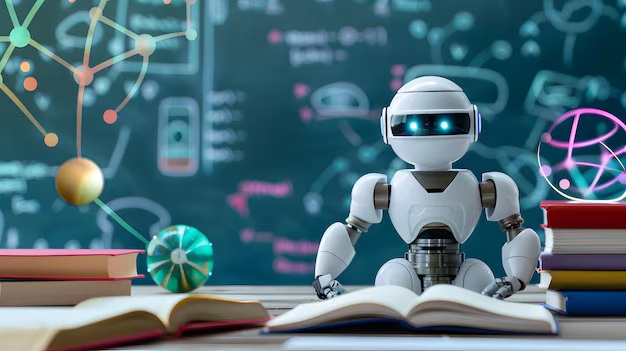
The Punjab government has taken transformative step aimed at reshaping the future of education across the entire province. It has introduced a powerful initiative to develop modern AI and robotics laboratories within government schools to uplift learning standards. This change represents a strong shift from traditional textbook based teaching toward a practical, technology centered approach for young learners.
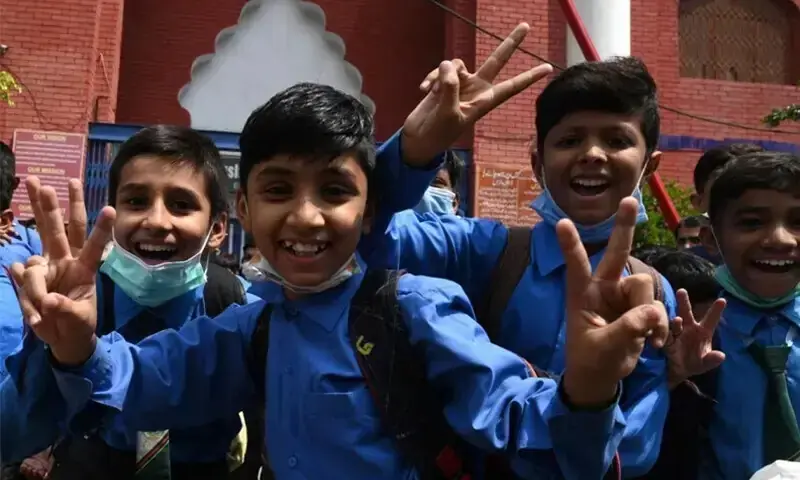
The project began as a pilot program launched inside carefully selected government schools in Lahore last academic year. Students who previously interacted with technology only through mobile phones are now building, coding and controlling working robots. Through structured lessons they have gained new exposure to artificial intelligence, coding practices and essential problem solving techniques.
From Textbooks to Technology Driven Classrooms
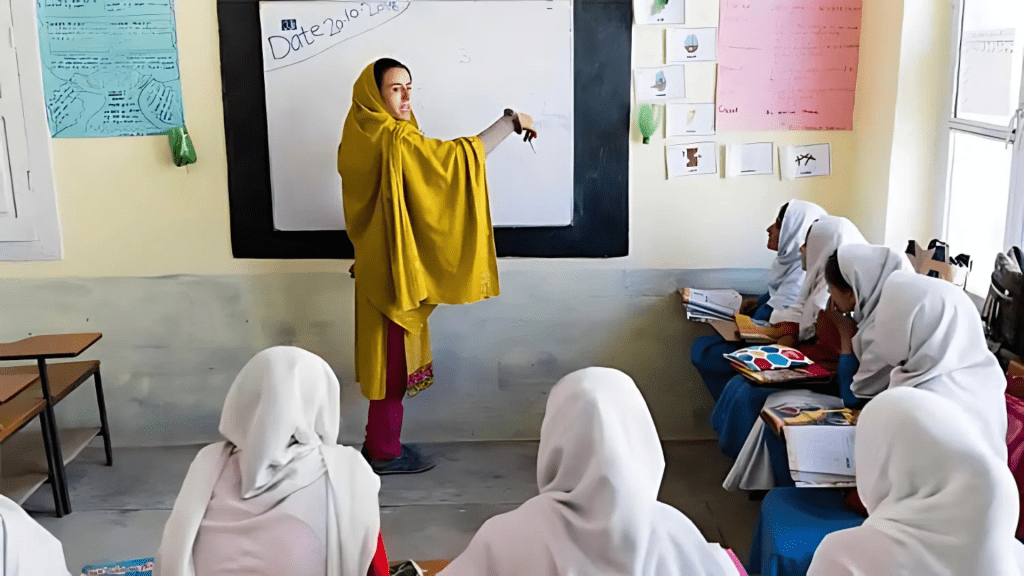
Classrooms that once focused mainly on memorization have now evolved into vibrant technological spaces encouraging active creativity. Students assemble robotics kits write step by step code and explore algorithm based thinking that strengthens logical learning. STEM laboratories with sensors, robotics tools and curated curriculum software have replaced traditional chalk and board teaching.
Maryam Fatima, a master trainer leading the STEM lab program explains the educational vision driving this project. She emphasizes that the purpose extends beyond introducing only basic technology to students inside the classroom. She highlights that the goal is to develop strong critical thinking, computational logic and innovative problem solving skills among young learners.
Pilot Success Leads to Province Wide Expansion
Following the success of the pilot phase the Punjab Education Department approved a full scale expansion plan. Officials say the first phase surpassed expectations in terms of student interest and teacher adaptability across all selected schools. The department now aims to establish similar AI and robotics labs inside government schools throughout every district of Punjab.
A senior department representative shared that a detailed framework is currently being designed for long-term implementation. The plan includes selecting additional schools, preparing necessary infrastructure and establishing specialized teacher training programs. The goal is to integrate AI and robotics education permanently into the existing curriculum in a sustainable manner.
Preparing Pakistan’s Future Technological Workforce
Education experts see this initiative as a long term investment in Pakistan human capital and national competitiveness. The global economy is shifting rapidly toward artificial intelligence, automation and data driven industries in major field. Equipping students with AI and robotics education early in school ensures that they develop skills aligned with future employment needs.
Schools involved in the pilot phase report improved attendance or classroom engagement and increase of excitement among students. Teachers notice that interactive learning methods reduce fear and confusion normally seen with difficult STEM subjects. Hands on experiences help students understand that advanced science concepts can be meaningful, enjoyable and easy to explore.
Boosting Problem Solving Skills and Student Confidence
By experimenting with various technologies students taking part in the new labs progressively develop patience, confidence and creativity. Through collaboration and effective communication they learn how to work in groups, exchange ideas and resolve problems in the classroom. These crucial abilities support students emotional development and help them become future ready students.
The continuous use of robotics tools and coding lessons allows students to understand the real application of science concepts. They begin recognizing that technology is not just a device for entertainment but a strong tool for creation. These experiences inspire many to imagine future careers in software engineering, robotics development or artificial intelligence fields.
Challenges Facing the Innovative Project
The initiative still has a number of significant obstacles that need to be overcome over the time despite encouraging progress. Financial support from partner organizations and the government is needed to establish fully operational Robotics and AI labs. Some schools in remote regions face inconsistent electricity supply that affects smooth operation of digital equipment.
Teacher training represents another major challenge because educators must stay updated with modern technological developments. The government understands this need and plans to provide continuous training sessions, expert workshops and online support tools. These steps are expected to help teachers manage lab setups effectively and deliver improved learning experiences.
Developing a Strong Age Appropriate Curriculum
Curriculum specialists are currently preparing a clear and structured pathway that suits different age groups appropriately. Younger students will begin with basic block-style coding and simple robotics tasks to build early interest. Older students will advance toward more complex robotics functions, Python programming and artificial intelligence concepts.
The curriculum will gradually introduce students to algorithmic understanding, machine interaction and creative digital problem solving. This will ensure that every child grows confident in using modern technology with responsibility and imagination. The step by step structure is expected to help students progress naturally without feeling stressed or overwhelmed.
A Regional Model for Educational Reform
Many analysts believe Punjab initiative could become a regional model for public sector educational reform in South Asia. Punjab has taken the lead in the region by implementing robotics and artificial intelligence education in government schools. Neighboring provinces looking for cutting edge methods to enhance their own educational systems have taken notice of this development.
Parents welcome this opportunity because it expands access to advanced learning tools previously found in private schools. Punjabi families are inspired by the fact that their kids can now experiment with useful technology at young age. The project goal is to give every student equal opportunities regardless of their social or economic background.
Encouraging Creativity and Inspiring Future Innovators
- Students show strong excitement while learning new digital skills in AI and robotics labs.
- They enjoy building machines, designing movements and improving their projects through experiments.
- These activities make learning enjoyable, creative and supportive of natural curiosity.
- Hands on experiences help students develop resilience by fixing mistakes calmly and confidently.
- Such skills build important personal qualities for future academic and professional success.
- The program encourages independent thinkers who can contribute to Pakistan growing digital landscape.
Ensuring Successful Implementation Across Punjab
The long term success of this initiative will depend on collaborative planning, transparent policy making and effective resource distribution. The government intends to strengthen partnerships with technology companies, educational experts and global training organizations. These partnerships will support infrastructure upgrades curriculum refinement and ongoing system maintenance.
Involving the community will also be crucial to the project success for coming generations. To encourage technology based learning and active student participation, educators, parents and local leaders should collaborate. Their combined support will help build a strong educational foundation for continuous advancement in Punjab.
Highlighting Pakistan Growth Through Parhlo Pakistan
Parhlo Pakistan plays a meaningful role in promoting national development stories and highlighting powerful educational initiatives across the country. The platform provides reliable information, positive news and inspiring success stories that help readers stay informed about Pakistan progress. Visitors can explore thoughtful articles that celebrate innovation, youth empowerment and modern developments shaping the nation future.
Shaping a Technologically Advanced Future for the Nation
The Punjab government’s introduction of AI and robotics education marks the beginning of a strong technological revolution. Public-sector schools will now offer advanced learning environments that empower students with essential digital knowledge. If implemented effectively, this program will build a generation of skilled innovators ready to support Pakistan’s economic growth.
The impact of this initiative will be measured by how confidently students develop into independent problem solvers and innovators. Punjab commitment to modern education presents a hopeful vision for a brighter and technologically advanced national future. With continuous support this project will strengthen the country by nurturing capable youth prepared for meaningful contributions.