
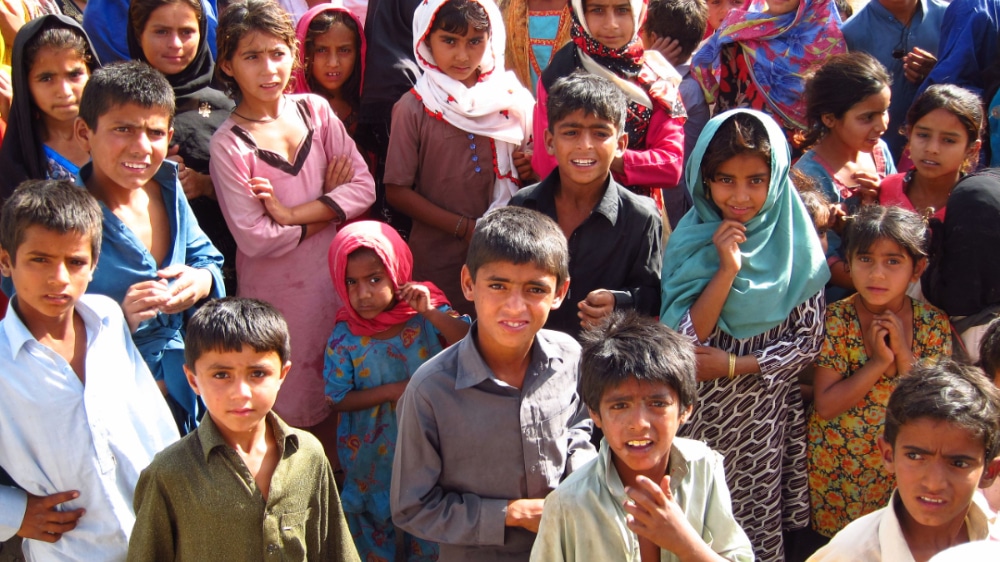
Pakistan continues to face a serious education crisis as 20 million of children remain excluded from formal schooling systems. According to the HIES Survey Report 2024–25 nearly twenty million children are still out of classrooms nationwide.
Although enrolment indicators show gradual improvement the pace remains insufficient to address long standing education inequalities. These findings highlight urgent challenges linked to poverty or gender norms and regional disparities affecting learning access.
Understanding the HIES Survey Report 2024-25
The Household Integrated Economic Survey was conducted between September 2024 to June 2025 all across Pakistan. This survey was released after long six year gap making it important for policy planning. It incorporates updated population figures from 2023 national census. This release followed renewed commitments toward data transparency encouraged by International Monetary Fund.
The HIES Survey Report provides a comprehensive overview of social and economic indicators nationwide. Education trends or literacy levels and school attendance were major focus areas in this release. Policymakers and researchers rely on this data to assess progress and identify critical gaps. The report offers valuable insight into that how economic pressures influence educational participation.
Key Highlights from the Survey Findings
The survey shows that Pakistan’s out-of-school rate declined from 30% to 28%. This reduction reflects modest progress in enrolment initiatives across various provinces. The total number of out of school children in Pakistan decreased from 25.3 million to around 20 million. Literacy and school attendance indicators also demonstrate gradual, though uneven, improvement nationwide.
Despite this progress, nearly three out of every ten children still remain outside the education system. This reality underscores the scale and complexity of Pakistan’s education crisis. Gains achieved so far remain fragile and highly dependent on economic stability. Sustained investment and inclusive strategies are essential for maintaining momentum.
Current Education Situation at the National Level
National enrolment data shows mixed progress across different education indicators. While literacy rates have improved access to consistent schooling remains uneven. The literacy rate increased from 60% to approximately 63% nationally. Similarly the population aged ten and above with some schooling rose to 67%.
However these improvements not fully reflect ground realities for marginalized communities. Many children still lack nearby schools trained teachers or affordable learning materials. Rural areas face greater challenges than urban areas. These disparities continue to widen education gap across socioeconomic lines.
National Enrolment Status
| Indicator | Previous Data | Latest Data |
|---|---|---|
| Out-of-School Rate | 30% | 28% |
| Out-of-School Children | 25.3 Million | ~20 Million |
| Literacy Rate | 60% | 63% |
| Ever Attended School (Age 10+) | 61% | 67% |
Gender Wise Education Disparities in Pakistan
Gender inequality remains a persistent issue within Pakistan education system. According to the HIES Survey Report one in four boys remains out of school. In contrast nearly one in three girls are currently excluded from formal education. This imbalance highlights deep rooted social and cultural barriers limiting female participation.
Rural girls face the highest levels of exclusion particularly in Sindh and Balochistan. Household responsibilities and early marriages further reduce education for girls. Limited access to nearby schools also discourages continued enrolment. Addressing gender gaps requires the both policy reforms and community level awareness initiatives.
Reasons Children Leave or Never Enter School
- Financial hardship is a leading reason children leave school at early stages.
- Poor families often choose immediate income over long-term education benefits.
- Child labor affects boys more, pushing them into work at young ages.
- Girls face school exclusion due to family restrictions and domestic responsibilities.
- Rising education costs affect children across all regions of Pakistan.
- Expenses for uniforms, books, and transportation are unaffordable for many families.
- Financial pressure increases dropout risks even after school enrolment.
- Sustainable solutions must focus on affordability and household economic stability.
Provincial Breakdown of Out-of-School Children
Provincial data reveals sharp contrasts in education access across Pakistan. Punjab maintains lowest out of school rate at 21%. However the province shows no significant improvement compared to previous years. This stagnation highlights that need renewed provincial education strategies.
Sindh and Khyber Pakhtunkhwa show moderate improvements in enrolment rates. Sindh out of school rate declined 41% to 31%. Khyber Pakhtunkhwa improved 31% to 28%. Despite progress both provinces still lag behind national education targets.
Balochistan recorded the largest improvement among all provinces. Its out of school rate declined significantly from 59% to 45%. Despite this progress Balochistan continues to face the highest exclusion levels nationwide.
Provincial Education Comparison
| Province | Previous Rate | Current Rate |
|---|---|---|
| Punjab | 21% | 21% |
| Sindh | 42% | 39% |
| Khyber Pakhtunkhwa | 31% | 28% |
| Balochistan | 59% | 45% |
Never Enrolled Children Versus School Dropouts
The survey highlights two distinct categories among out-of-school children in Pakistan. Approximately 20% of children have never been enrolled in school. Another eight percent dropped out after initial enrolment due to various challenges. These figures indicate equal importance for access and retention policies.
Children who never enroll often live in remote or underserved communities. Lack of schools, teachers, and awareness contributes to this issue. Dropout cases reflect systemic weaknesses in education quality and affordability. Both challenges require targeted and sustained policy responses.
Food Insecurity and Its Impact on Education Access
The HIES Survey Report also highlights rising food insecurity across all provinces. Families facing food shortages often prioritize survival over education expenses. This situation directly impacts school attendance, especially for girls. Hunger and malnutrition further reduce learning capacity among enrolled students.
Economic instability increases the likelihood of children being withdrawn from school. Girls are often the first affected during household financial crises. Addressing food insecurity is therefore essential for improving education outcomes. Integrated social protection programs can help stabilize school attendance.
Literacy Trends and Long-Term Progress
Despite ongoing challenges, Pakistan’s long term literacy indicators show gradual improvement. The national literacy rate increased from sixty percent to 63 percent. More people aged ten and above now have some level of schooling. These trends indicate positive momentum in education access.
However, progress remains uneven across regions and social groups. Rural populations continue to lag behind urban areas in literacy outcomes. Without focused interventions, these gains may not be sustainable. Continuous monitoring and targeted investment remain essential.
The Broader Picture of Pakistan’s Education Landscape
The HIES Survey Report presents a mixed picture of Pakistan education system. The reduction in out-of-school children from 25.3 million to around twenty million is encouraging. However deep structural inequalities continue to limit universal education access. Poverty, gender norms and regional disparities remain significant barriers.
Achieving education for requires coordinated efforts at national and provincial levels. Policies must be focus on affordability or infrastructure development and community engagement. Without sustained commitment or progress may stall or reverse. Education remains central to Pakistan long term development goals.
About Parhlo Pakistan
Parhlo Pakistan is a growing educational platform dedicated to sharing reliable student focused academic information nationwide. The website regularly publishes updates on exam schedules, results or admissions and furthermore about education news. Parhlo Pakistan aims to support students, parents and educators with accurate and timely resources. Through quality content it contributes to improving education awareness across Pakistan.
Conclusion: Moving Toward Inclusive Education
Pakistan has made modest progress in reducing number of out of school children in Pakistan. The HIES Survey Report highlights encouraging trends alongside challenges. Addressing inequality or food insecurity and gender barriers remains essential for sustainable improvement. With focused policies and collective effort, inclusive education can become an achievable national reality.