

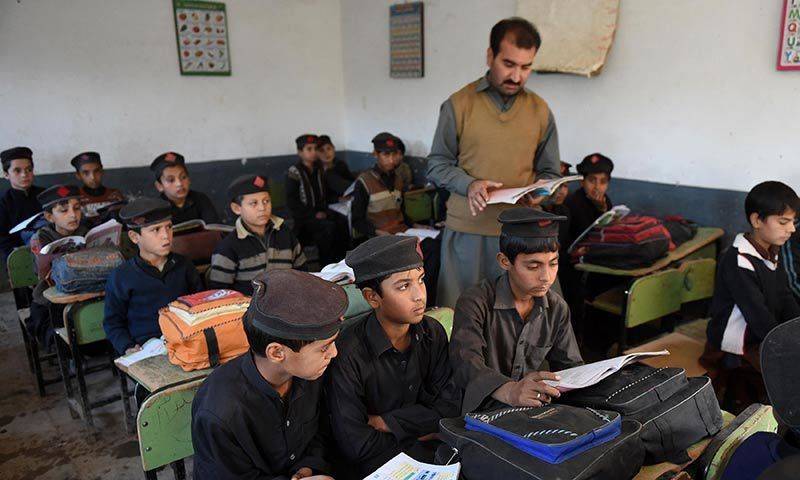
The Khyber Pakhtunkhwa government recently approve outsourcing plans targeting nearly two thousand struggling public schools provincewide. Officials believe private management partnerships will improve educational quality, operational discipline and student enrollment significantly throughout. This educational transformation follows previous healthcare outsourcing policies, which generated considerable public debate across Pakistan recently.
The provincial administration introduced this phased strategy after reviewing persistent weaknesses within several low-enrollment government schools. Authorities explained that private institutions often maintain stronger accountability systems and improved classroom management practices successfully. Many policymakers consider this initiative essential for modernizing public education systems throughout Khyber Pakhtunkhwa during upcoming years.
Government representatives confirmed that approximately five hundred schools already transitioned successfully under the initial outsourcing implementation phase. These institutions reportedly demonstrated stronger academic engagement, improved attendance patterns, and enhanced communication between parents regularly. Encouraging results from earlier outsourced schools strengthened governmental confidence regarding broader implementation throughout additional educational districts.
Financial Support and Operational Structure
Under this educational framework, outsourced schools will receive monthly governmental subsidies supporting administrative and operational educational requirements. Each institution will receive approximately three hundred thousand rupees monthly, covering salaries and essential operational expenditures completely. Officials emphasized that students will continue receiving completely free education despite private management involvement throughout participating institutions.
Senior education department representatives clarified that ownership of schools remains entirely under provincial governmental control permanently. Private operators will only supervise daily educational administration, classroom management, and institutional development activities within contracted institutions. Authorities insist this partnership model combines governmental financial support with professional private management practices effectively across schools.
The outsourcing initiative specifically targets nearly fifteen percent of low-enrollment primary schools throughout Khyber Pakhtunkhwa province currently. Several remote educational institutions located within mountainous winter regions already transferred successfully toward private management authorities recently. Heavy snowfall previously interrupted educational activities frequently, causing extended closures and academic disruptions for vulnerable students annually.
Enrollment Growth and Educational Improvements
Early performance statistics suggest outsourced schools experienced remarkable student enrollment increases during recent academic sessions provincewide successfully. Officials reported enrollment numbers increasing dramatically from four thousand students toward nearly eight thousand students collectively afterward. This significant progress strengthened public confidence regarding government schools outsourcing in Pakistan and educational reform initiatives recently.
Average student enrollment within outsourced schools reportedly increased from forty students toward seventy-seven students recently provincewide successfully. Educational authorities now established ambitious goals targeting approximately one hundred eighty enrolled students within participating schools eventually. Officials believe improved management practices and stronger community engagement will support continued educational expansion throughout upcoming years.
Parents reportedly expressed satisfaction regarding cleaner classrooms, punctual teaching schedules, and improved academic supervision within outsourced institutions. Many communities previously avoided government schools because educational standards remained comparatively weaker than private institutions locally nationwide. Outsourced schools now attract increased community trust because educational quality improvements became visible within short periods recently.
Accountability and Performance Standards
Provincial authorities introduced strict accountability clauses ensuring outsourced institutions maintain acceptable educational performance standards consistently afterward. Contracts include measurable benchmarks involving student enrollment growth, examination performance, infrastructure maintenance, and classroom attendance requirements regularly. Government officials reserve immediate cancellation rights whenever institutions fail achieving contractual educational targets under outsourcing agreements.
Educational economists cautiously welcomed these reforms because accountability mechanisms encourage stronger institutional performance and professional educational management. Experts believe performance-based contracts motivate operators toward maintaining better educational environments and stronger academic outcomes consistently nationwide. Transparent monitoring systems will remain essential ensuring outsourced schools achieve promised improvements without compromising educational accessibility standards.
Authorities repeatedly assured communities that privatization does not eliminate governmental educational responsibilities toward public institutions permanently nationwide. Instead, officials described outsourcing arrangements as strategic partnerships designed improving efficiency without reducing educational accessibility opportunities. Government representatives emphasized continued oversight responsibilities regarding educational standards, funding distribution, and operational transparency throughout implementation.
Supporters and Critics Respond
The All Pakistan Private Schools Federation publicly supported outsourcing initiatives, describing reforms as practical educational solutions nationwide. Federation representatives argued many struggling public schools require stronger administrative systems supporting improved educational outcomes immediately. They believe professional management practices can strengthen institutional performance while preserving affordable educational opportunities throughout participating regions.
However, teachers associations criticized proposed outsourcing initiatives, expressing concerns regarding professional security and employment stability afterward nationwide. Union representatives warned privatization policies potentially undermine traditional governmental educational structures supporting public teachers historically nationwide. Critics also questioned whether private operators prioritize profitability over educational quality and long-term institutional development objectives consistently.
In response, education department officials reassured teachers regarding employment protections and salary continuation arrangements during implementation. Authorities clarified existing staff members would continue employment under identical governmental salary structures without reductions permanently. Officials further emphasized that outsourcing agreements specifically prohibit unnecessary layoffs or discriminatory employment practices against educators nationwide.
Challenges Facing Government Schools
Khyber Pakhtunkhwa government schools faced several longstanding educational challenges affecting academic performance and student retention rates significantly. Many institutions struggled maintaining quality education because administrative systems and learning resources remained comparatively limited throughout districts. Remote geographical conditions additionally created barriers preventing uninterrupted educational access for thousands of vulnerable students annually.
- Low student enrollment in several government primary schools
- Weak academic performance and poor examination outcomes
- Shortage of modern educational facilities and teaching resources
- Teacher absenteeism and limited administrative accountability
- Severe weather conditions disrupting education within mountainous winter regions
- Declining public trust in government-run educational institutions
These ongoing difficulties encouraged authorities introducing reforms supporting better management, accountability, and educational development provincewide recently. Officials believe outsourcing struggling institutions may strengthen educational quality while improving operational efficiency and community confidence gradually.
Long-Term Educational Expectations
Provincial authorities remain optimistic regarding future educational improvements resulting from expanded outsourcing initiatives across participating institutions statewide successfully. Officials believe stronger enrollment growth eventually contributes toward improved literacy rates and better academic achievement consistently provincewide afterward. Educational reforms additionally support broader governmental goals involving economic development and long-term social progress throughout communities nationally.
- Higher student enrollment across government primary schools
- Improved literacy and academic performance rates
- Better classroom discipline and institutional management
- Increased community trust in public education systems
- Greater educational access within remote and underserved regions
- Stronger collaboration between government and private educational sectors
Many policymakers believe successful implementation could encourage other provinces adopting similar educational management models nationwide afterward. Experts also emphasize consistent monitoring and community participation ensuring sustainable educational improvements throughout future academic cycles successfully.
Public Reaction and Community Interest
Public reactions regarding outsourcing initiatives remain divided, although many parents support educational improvements enthusiastically across communities. Families especially appreciate promises involving uninterrupted educational services, stronger supervision, and better institutional management practices afterward. Several communities previously frustrated with declining educational standards now express cautious optimism regarding future improvements nationwide.
Social media discussions surrounding Khyber Pakhtunkhwa education reforms increased considerably following official governmental outsourcing announcements recently nationwide. Supporters highlighted impressive enrollment statistics, while critics questioned long-term sustainability and potential hidden administrative complications afterward. Despite disagreements, educational reforms successfully generated nationwide conversations regarding improving Pakistan’s struggling public education infrastructure significantly.
Analysts explained successful educational reforms require patience because meaningful institutional improvements develop gradually through consistent implementation efforts. Outsourced schools must maintain enrollment growth while improving examination performance and overall educational quality simultaneously nationwide. Authorities therefore continue monitoring participating institutions carefully, ensuring reforms deliver measurable educational benefits consistently afterward.
The Role of Digital Media and Educational Awareness
Educational awareness platforms increasingly influence public understanding regarding educational reforms and governmental policy developments nationwide regularly. Online news websites help communities access accurate information regarding educational progress, enrollment statistics, and administrative reforms continuously. Reliable reporting therefore remains essential supporting informed public discussions regarding government schools outsourcing in Pakistan recently.
Platforms like Parhlo Pakistan regularly publish educational developments, policy updates, and social issues affecting Pakistani communities nationwide. Readers appreciate accessible reporting styles explaining complicated governmental initiatives using simple language and balanced perspectives consistently afterward. Educational news coverage helps parents, students, and teachers remain informed regarding important policy decisions affecting institutions nationally.
Conclusion
Khyber Pakhtunkhwa’s outsourcing initiative represents one of Pakistan’s most ambitious educational reform projects undertaken recently nationwide successfully. Strong enrollment growth and positive operational improvements already strengthened governmental confidence regarding future educational progress considerably. Although challenges remain, many observers believe consistent accountability and professional management could transform struggling public schools permanently.
Want to stay ahead with more informative content like this? Visit our News Section to stay updated with the latest insights, updates, and developments in Pakistan’s education sector.