
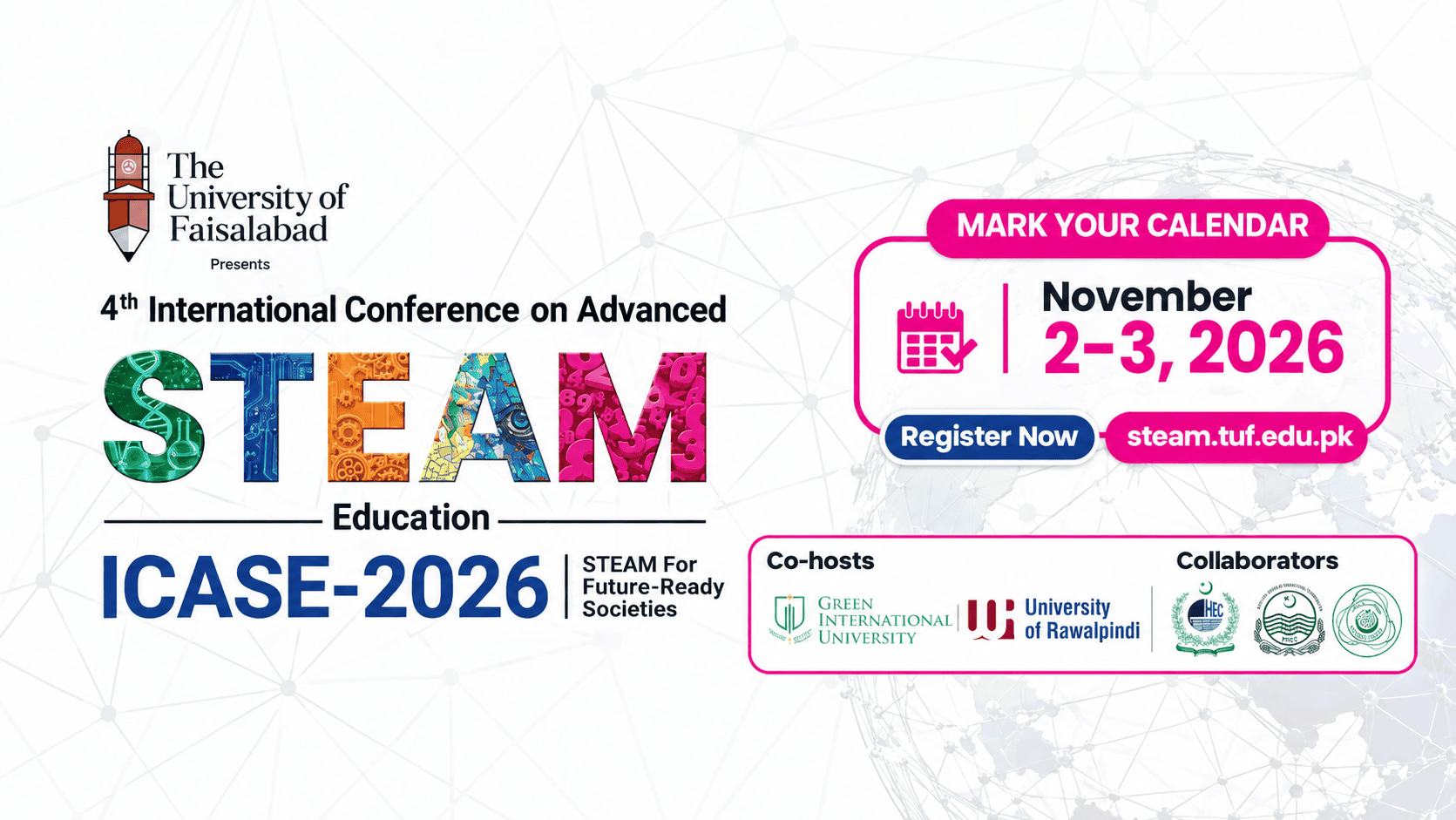
STEAM education, artificial intelligence, and future-ready skills are gaining attention as educational institutions explore new ways to prepare students for changing academic and professional demands. The International Conference on STEAM Education (ICASE 2026) provides a platform to discuss these developments and explore how interdisciplinary learning can contribute to education, research, and innovation.
The conference connects the broader fields of Science, Technology, Engineering, Arts, and Mathematics (STEAM), encouraging discussion about how different disciplines can work together to address emerging challenges.
Why STEAM Education Matters for Future Skills
Modern education involves more than memorizing information. Students also need critical thinking, creativity, communication, problem-solving, and the ability to apply knowledge in practical situations. STEAM education brings different subjects together to help learners understand how academic concepts connect with real-world problems.
According to the principles behind STEAM education , combining science, technology, engineering, arts, and mathematics can encourage interdisciplinary learning. This approach can help students explore problems from different perspectives and develop skills that are useful in further education and professional life.
Artificial Intelligence and the Changing Education Landscape
Artificial intelligence is changing how people access information, conduct research, and complete professional tasks. In education, AI tools can support learning activities, data analysis, research, and the development of digital skills. However, students also need to understand the limitations of these tools, verify information, and use technology responsibly.
Discussions about AI in education can help educators and researchers explore how emerging technologies may support teaching and learning while keeping human judgment, creativity, and academic integrity central to the educational process.
How ICASE 2026 Connects Education and Innovation
ICASE 2026 brings attention to the relationship between STEAM education, research, and emerging technologies. Its broader focus provides an opportunity to discuss how educators, researchers, and other stakeholders can respond to changing educational needs and prepare learners for future challenges.
Topics such as artificial intelligence, educational technology, sustainability, and interdisciplinary research are relevant to conversations about future-ready societies. Bringing these areas together can help participants examine how research and collaboration may contribute to practical solutions.
Readers can visit the official ICASE website for conference information, announcements, and available details about its themes and activities.
The Role of Universities in Preparing Future-Ready Students
Universities play an important role in preparing students for careers shaped by technological and social change. Alongside subject-specific knowledge, students benefit from opportunities to participate in research, work on practical projects, collaborate across disciplines, and develop digital and communication skills.
Educational institutions can also encourage students to consider the wider effects of innovation, including its implications for communities, the environment, and public services. These learning experiences can help connect academic study with real-world needs.
What ICASE 2026 Means for Students and Researchers
For students, educators, and researchers, conferences focused on STEAM education offer an opportunity to explore emerging ideas and discuss developments across multiple disciplines. They can also help participants identify research questions, exchange perspectives, and learn about approaches being explored in education and technology.
Those interested in attending or participating should consult the official ICASE website for confirmed information about registration, submission requirements, schedules, and other announcements.
Conclusion
ICASE 2026 highlights important discussions surrounding STEAM education, artificial intelligence, and the skills needed for a changing world. By bringing education, technology, and interdisciplinary research into the same conversation, the conference draws attention to the role of collaboration and innovation in preparing future generations.
As educational needs continue to evolve, discussions about responsible AI use, practical learning, and future skills will remain relevant to students, teachers, researchers, and universities.