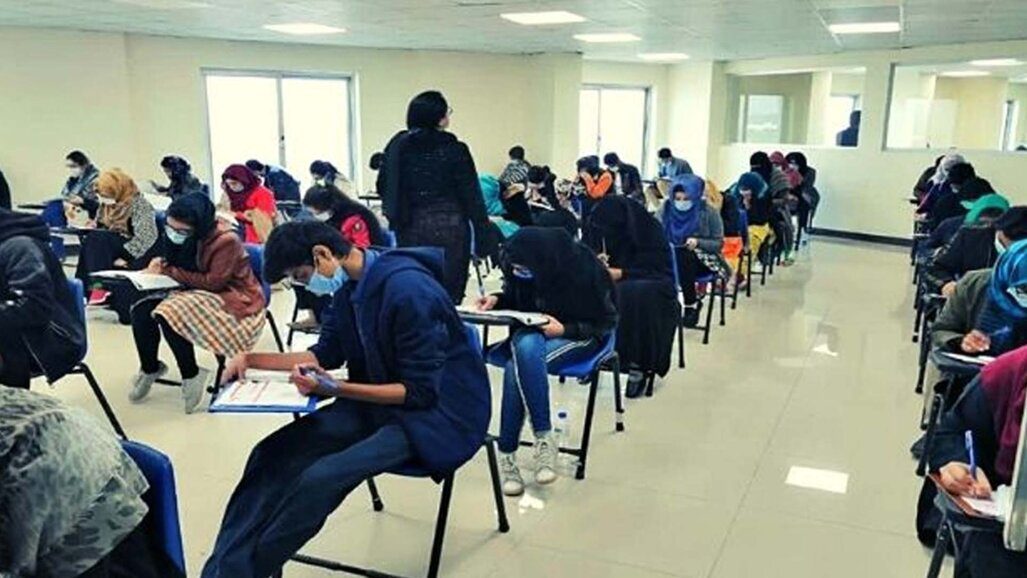

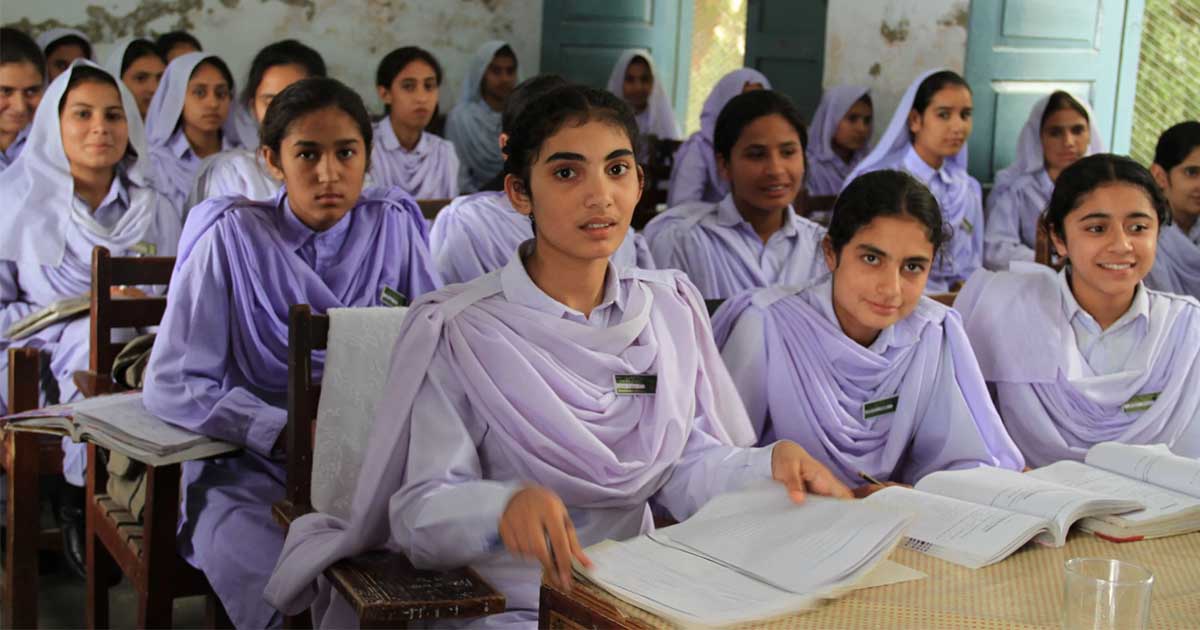
In a major step supporting education affordability, IBCC has announced significant fee relief for students nationwide. The decision directly benefits matric and intermediate students who regularly face financial pressure during academic processes.
Families across Pakistan are welcoming this reform as long awaited improvement in the education system. The initiative highlights a growing commitment to student welfare and administrative efficiency nationwide.
The Inter Board Coordination Commission, commonly known as IBCC, officially approved this historic fee relief policy. The announcement focuses on simplifying academic document verification for matric and intermediate students nationwide. Previously, students paid separate fees for result cards and certificates during verification. This outdated system often created unnecessary financial and administrative stress for families.
Streamlined Verification Process Reduces Costs
Under the new policy, document verification has been consolidated into one streamlined process nationwide. Students will now verify result cards and certificates together through a single combined fee. This change eliminates redundant payments and simplifies procedures for all applicants. The reform directly addresses long-standing complaints raised by students and education advocates.
IBCC has issued formal instructions to all educational boards to implement the policy immediately. These directives ensure consistent application across provincial and federal boards nationwide. Punjab’s nine boards, including BISE Lahore, are fully covered under this policy. Boards in Sindh, Khyber Pakhtunkhwa, Balochistan, and Islamabad also fall under implementation.
Reducing Financial Pressure on Families
This fee relief for matric and intermediate students aims to reduce educational expenses significantly. Students frequently require document verification for admissions, employment and international opportunities. The previous dual fee structure added hidden costs that many families struggled to afford. Removing these financial barriers promotes equal access to academic advancement.
IBCC officials emphasized that millions of students apply for verification every year nationwide. These applicants will now experience smoother processes and reduced financial stress. Officials believe this policy encourages students to pursue higher education confidently. The reform also reflects a broader effort to modernize Pakistan educational administration.
Administrative Efficiency and Transparency
A senior IBCC official described the previous system as inefficient and financially burdensome. According to officials, the new approach serves both students and institutions more effectively. It reduces paperwork duplication and saves valuable administrative resources. The change creates a more transparent and user-friendly verification environment.
Financial savings under the new policy are expected to be substantial for most families. While fees vary slightly among boards, students may save between thirty and fifty percent. These savings are especially meaningful for households with multiple matric and intermediate students. Reduced costs can now support other essential educational needs.
Nationwide Impact and Equal Benefits
This nationwide policy ensures equal treatment for students regardless of their educational board. Whether enrolled under BISE Karachi, Peshawar, Quetta or Lahore, students benefit equally. Uniform implementation prevents regional disparities and promotes fairness across Pakistan. Such consistency strengthens trust in national education governance.
Education advocates have widely praised the IBCC’s decision for addressing real student concerns. Student organizations describe the reform as practical and timely for current academic challenges. Many highlighted how verification costs quietly burdened families for years. This positive response reflects widespread relief and appreciation.
Positive Reactions from Student Communities
Ayesha Raza, a student welfare leader from Lahore, welcomed the announcement publicly. She emphasized how cumulative verification fees previously strained household budgets. According to her, the reform acknowledges overlooked financial pressures within the academic system. Student groups now urge continued reforms supporting affordability and transparency.
Beyond financial relief, the new verification process improves administrative efficiency significantly. Handling documents as a single package reduces processing delays and workload. Faster verification benefits students facing tight admission or employment deadlines. Efficiency improvements also help educational boards manage applications more effectively.
Faster Processing and Improved Services
IBCC expects the unified system to shorten verification timelines considerably nationwide. Reduced processing times increase confidence in official academic documentation services. Students can now plan academic and career transitions with greater certainty. Timely verification remains critical for competitive academic and professional opportunities.
The policy also encourages better coordination between educational boards and regulatory authorities. Clear guidelines ensure uniform compliance and minimize confusion among applicants. Improved coordination strengthens institutional accountability and service delivery quality. This structured approach benefits both students and administrative staff.
Importance of Awareness and Implementation
Implementation success depends heavily on awareness among students and parents nationwide. IBCC has directed boards to update official websites and notice boards promptly. Public communication ensures students understand revised fees and procedures clearly. Awareness reduces chances of overcharging or procedural misunderstandings.
Students applying for verification in coming weeks should confirm updated fee details beforehand. Verifying information directly with respective boards remains advisable during transition periods. Clear communication protects applicants from outdated practices or incorrect charges. Proactive awareness ensures smooth adoption of the new system.
A Step Toward Educational Modernization
- Aligns with nationwide efforts to modernize Pakistan’s education infrastructure and administrative systems
- Reduces bureaucratic hurdles, encouraging greater student participation in academic advancement
- Simplifies processes, making education systems more responsive to student needs
- Builds long-term trust and engagement within the education sector
- Supports national educational equity goals for matric and intermediate students
- Lowers costs for economically challenged students, improving access to opportunities
- Strengthens education affordability, essential for development and social mobility
- Enhances Pakistan’s human capital through student-focused policies
Growing Public Confidence in Reforms
Parents across Pakistan have expressed relief following the announcement. Many families previously struggled to manage verification expenses alongside tuition and materials. Reduced costs ease household financial planning during critical academic phases. Positive family response highlights the reform’s immediate social impact.
Educational experts believe the reform may inspire further administrative improvements. Digital verification systems and standardized fee structures could follow in future. Continued modernization can further reduce delays and corruption risks. Stakeholders now expect sustained momentum toward student-centered reforms.
Role of Media and Information Platforms
Media coverage has amplified awareness of the IBCC initiative nationwide. Public discussion emphasizes transparency, efficiency, and student welfare benefits. Positive narratives encourage accountability within educational institutions. Media engagement plays a vital role in monitoring effective policy implementation.
Parhlo Pakistan Supporting Student Awareness
Parhlo Pakistan, consistently highlights important education reforms and student-focused news nationwide. The platform provides reliable updates, exam resources, and guidance for matric and intermediate students. Parhlo Pakistan supports informed decision-making through accurate and accessible educational content. Its commitment helps students and parents stay aware of beneficial policy changes.
Conclusion
In conclusion, the IBCC’s decision marks a meaningful milestone for Pakistan’s education system. Fee relief for matric and intermediate students reduces financial stress and improves accessibility. Streamlined document verification enhances efficiency and fairness nationwide. This reform sets a positive precedent for future student-centered educational policies.