

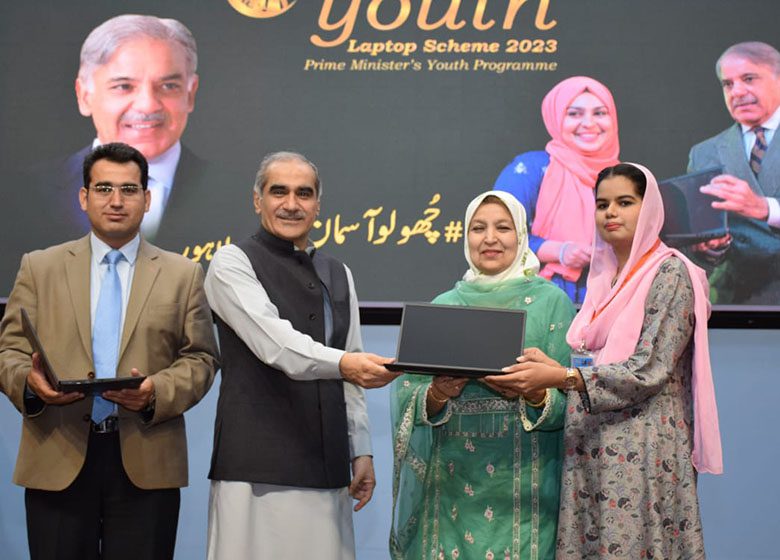
Pakistan is steadily moving toward a more technology-driven future, and digital access has become increasingly important for students. In recent years, government initiatives have focused on reducing educational inequalities through modern learning tools and technology support. Among these efforts, the PM Laptop Scheme has emerged as one of the most impactful programs, helping thousands of students improve their academic performance and digital skills.
The latest findings from the Pakistan Economic Survey 2025-26 reveal a remarkable achievement, with female students accounting for 54% of the beneficiaries, highlighting a positive shift toward gender inclusion in higher education.
PM Laptop Scheme Achieves a Major Milestone
The Pakistan Economic Survey 2025-26, presented by the Ministry of Finance before the Federal Budget 2026-27 discussions, highlighted the growing success of the PM Laptop Scheme. According to the report, female students represented 54% of the total beneficiaries by April 2026, marking a significant milestone in Pakistan’s educational development. This achievement reflects the increasing participation of women in higher education and demonstrates how access to technology can create equal opportunities for academic growth.
The survey findings show that digital learning is becoming a central component of modern education across Pakistan. By providing laptops to deserving students, the government is helping them access educational resources, conduct research, and develop essential technological skills. The program continues to strengthen educational outcomes while supporting students in preparing for future careers in an increasingly digital world.
Distribution of Laptops Across Pakistan
The PM Laptop Scheme has played an important role in expanding digital access for university students nationwide. According to the Pakistan Economic Survey 2025-26, 74,427 laptops have already been distributed under the program, while the overall plan covers 407,713 verified applicants. The initiative has reached 156 higher education institutions, helping students gain access to modern educational resources.
The distribution network covers educational institutions across
- Punjab
- Sindh
- Khyber Pakhtunkhwa (KP)
- Balochistan
- Islamabad Capital Territory
- Azad Jammu and Kashmir (AJK)
- Gilgit-Baltistan (GB)
This broad coverage ensures that students from different social and geographical backgrounds can benefit equally from digital learning opportunities. By reaching institutions across the country, the scheme supports greater educational inclusion and helps reduce technology gaps among students pursuing higher education.
Strengthening Digital Learning in Pakistan
Digital learning has become an essential part of education worldwide, and Pakistan is increasingly embracing this transformation. Access to laptops enables students to participate in online classes, complete assignments efficiently, and engage with international educational platforms. These opportunities contribute significantly to academic success and personal development.
The PM Laptop Scheme plays a vital role in promoting digital learning in Pakistan by providing students with reliable tools for educational advancement. Modern academic environments require access to technology for research, communication, and skill development. By equipping students with laptops, the program helps them stay competitive in both educational and professional settings.
Technology also encourages independent learning and creativity among students. With access to online libraries, research databases, and educational software, learners can expand their knowledge beyond traditional classroom boundaries. This increased accessibility supports a culture of continuous learning and innovation throughout higher education institutions.
Female Participation Reflects Positive Educational Progress
One of the most encouraging findings from the Economic Survey is the strong participation of female students in the scheme. Women receiving 54% of the distributed laptops demonstrates growing representation in higher education and highlights the effectiveness of merit-based selection processes. This achievement serves as an important indicator of changing educational dynamics within Pakistan.
Historically, Pakistan has faced challenges related to gender disparities in education. Although significant progress has been made, differences in educational access and literacy levels still exist in many areas. The strong participation of female students in the PM Laptop Scheme suggests that women are increasingly pursuing higher education and successfully competing for academic opportunities.
This development reflects broader social changes that encourage women to participate actively in educational and professional fields. Access to technology empowers female students by providing them with resources necessary for academic achievement and career preparation. As more women gain access to digital tools, they can contribute more effectively to Pakistan’s economic and social development.
Understanding the Literacy Gap Challenge
The Pakistan Economic Survey 2025-26 also highlighted ongoing literacy challenges within the country. According to the report, the male literacy rate stands at 73%, while the female literacy rate remains at 54%. These figures indicate that significant disparities continue to exist at the foundational education level.
Despite these challenges, the success of female students in higher education presents a promising outlook for the future. The survey findings suggest that women who reach universities are increasingly excelling academically and taking advantage of available opportunities. Their strong representation among laptop recipients demonstrates determination, capability, and commitment to educational success.
Addressing literacy gaps requires long-term investment in educational infrastructure and community awareness. While programs like the PM Laptop Scheme support university students, broader efforts must continue to improve enrollment and retention rates for girls at primary and secondary education levels. Sustainable progress depends on strengthening educational pathways from early schooling through higher education.
How Technology Empowers Female Students
Access to personal technology can significantly transform educational experiences for female students. Laptops provide flexibility and convenience, allowing students to study, conduct research, and complete academic projects more efficiently. This accessibility is particularly valuable for students seeking greater academic and professional opportunities. With access to modern technology, female students can
- Attend online classes and training programs
- Access digital libraries and research databases
- Improve academic productivity and learning outcomes
- Learn freelancing and digital skills
- Explore remote work opportunities
- Build professional networks and career prospects
The PM Laptop Scheme contributes to reducing the digital divide by ensuring female students have access to essential educational tools. These opportunities not only support academic success but also help women prepare for future careers and participate more actively in Pakistan’s digital economy.
Economic and Social Impact of the PM Laptop Scheme
The benefits of the PM Laptop Scheme extend beyond academic achievement. Increased digital access contributes to workforce readiness, innovation, and economic participation among young people. Students equipped with technological skills are better prepared to meet modern employment requirements and adapt to rapidly changing industries.
From a social perspective, the program promotes inclusion and equal opportunity. By providing resources to deserving students regardless of gender or geographical location, the initiative helps create a more balanced educational environment. This inclusive approach supports national development goals and strengthens the foundation for future economic growth.
Policy experts believe that continued investment in digital learning can generate long-term benefits for society. As students develop technological competencies, they become valuable contributors to knowledge-based industries and emerging economic sectors. These outcomes support national competitiveness and encourage sustainable development.
The Importance of Continued Investment in Digital Education
While the success of the PM Laptop Scheme is encouraging, experts emphasize that providing laptops alone cannot address every educational challenge. Sustainable progress requires ongoing investments in digital infrastructure, training programs, and learning resources. A comprehensive approach is necessary to maximize the benefits of technology in education. Future efforts should focus on
- Expanding reliable internet access across urban and rural areas
- Modernizing university computer labs and research facilities
- Providing practical digital skills training for students
- Strengthening online learning platforms and resources
- Encouraging public-private partnerships in educational technology
These improvements can help create a stronger digital learning ecosystem for students nationwide. By combining technology distribution with infrastructure development and skills training, Pakistan can continue building a more inclusive and future-ready education system.
Stay Updated with Educational News on Parhlo Pakistan
Students, parents, and educators looking for reliable educational updates can benefit from following Parhlo Pakistan. The platform regularly publishes important information related to scholarships, government schemes, examination updates, admissions, educational policies, and student opportunities across Pakistan. By staying connected with Parhlo Pakistan, readers can access timely news and valuable resources that support academic success and informed decision-making.
Conclusion
The achievement of 54% female participation in the PM Laptop Scheme represents a significant step toward reducing Pakistan’s digital divide. The initiative demonstrates how targeted educational policies can empower students, encourage gender inclusion, and strengthen digital learning opportunities across the country. As technology continues shaping modern education, programs like this will remain essential for supporting academic excellence and national progress.
Moving forward, continued investment in digital infrastructure, literacy improvement, and educational accessibility will be crucial. By combining technology distribution with broader educational reforms, Pakistan can create a stronger and more inclusive learning environment for future generations. The success of the PM Laptop Scheme offers a positive example of how strategic initiatives can drive meaningful change and help students achieve their full potential.
Read more PM Laptop Scheme updates, eligibility details, and merit list news in the Parhlo Pakistan News Section for the latest information.