
As provinces deal with economic problems the education system in Pakistan keeps changing. Recent events show that Khyber Pakhtunkhwa and Punjab have different ideas related to school schedules and keeping up with schoolwork. These changes are meant to ease the financial stress while making sure that the students keep learning without any break.
The fact is that the Khyber Pakhtunkhwa now has a four-day school in a week is a big change in policy. The government made this choice to deal with the rising costs that are affecting public schools. Punjab on the other hand has returned to its normal school schedule after a short break.
A New Academic Structure in Khyber Pakhtunkhwa
The Khyber Pakhtunkhwa government officially implement this new schedule starting from 1st April 2026. The revised plan applies to all the public schools operating under provincial education department. Authorities believe this structural reform will help reduce expenses without compromising the quality of education.
According to official notifications public schools will now observe holidays on Friday and Saturday weekly. This adjustment effectively shortens the traditional five-day school week followed across most regions. The decision introduces a new routine for students or teachers and administrative staff across the province.
Financial Factors Behind the Decision
Education officials emphasized that 4 day school week in Khyber Pakhtunkhwa aim to reduce the financial strain. Rising fuel prices and energy shortages have significantly impacted the school operations and transportation costs recently. By minimizing working days authorities expect noticeable savings in daily expenses and overall institutional budgets.
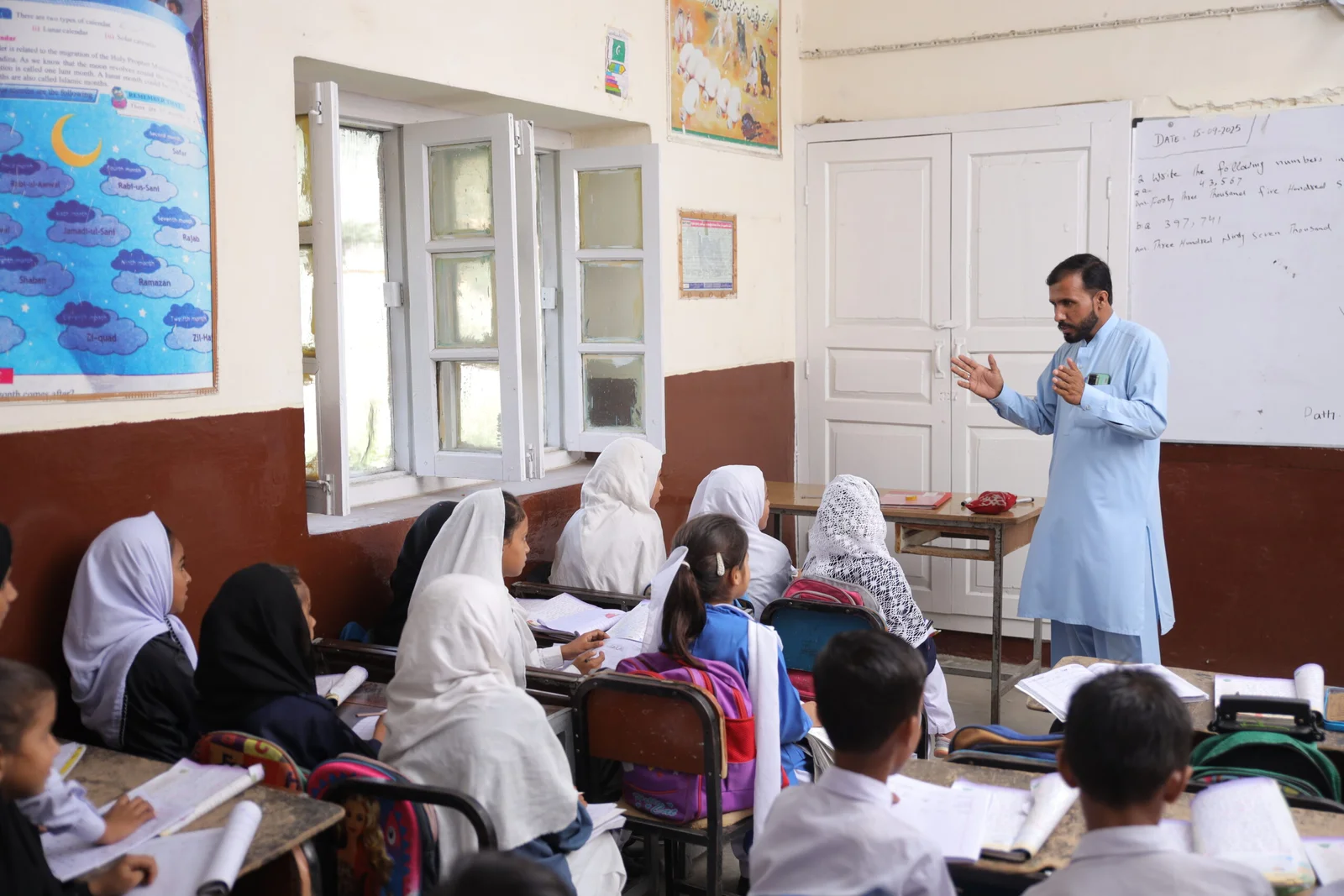
To ensure academic continuity, school timings have been carefully revised under the new schedule. Primary schools will operate from seven thirty in the morning until one thirty-five in the afternoon. Middle schools and higher institutions will follow extended hours to maintain sufficient instructional time.
Revised Timings and Daily Schedules
High and higher secondary schools will remain open until three o’clock in the afternoon daily. These longer hours are designed to compensate for the reduced number of working days weekly. Officials has believe this adjustment will help students to complete their syllabus without facing academic delays.
The decision has sparked discussions among parents or educators and policymakers regarding its long term impact. Some view the four day school week in Khyber Pakhtunkhwa as a practical solution during economic uncertainty. Others remain concerned about potential academic pressure caused by longer school hours during weekdays.
Public Response and Early Reactions
Supporters argue that the fewer school days can significantly lower transportation and utility expenses for families. Students traveling long distances may benefit from reduced commuting frequency and associated financial burdens. Additionally schools can save on electricity and operational costs during extended weekend closures.
On the other hand critics worry about increased workload and fatigue among students and teachers. Longer daily hours may lead to decreased concentration and productivity in classroom learning environments. Therefore, effective implementation will require careful monitoring and continuous evaluation by education authorities.
Punjab Return to Routine Schooling
KP is using this new system but Punjab is dealing with the problems in other ways. Schools in Punjab are open again after being closed for the almost three weeks. This choice means that everything is back to the normal after a short break from school because of the budget cuts.
Punjab government had already stopped in person classes from 10 March to March 31. This closing was the part of bigger plan to save money and manage fuel costs. Students kept studying during this time by using online platforms and digital learning tools.
Role of Online Learning During Closures
During the temporary closure online education was very important for keeping students interested in school. Teachers held online classes to make sure that the students stay on track with their lessons. This method help students to keep learning even though there were no physical interactions in the classroom.
Punjab has fully restored its traditional 5 day school week now that schools are open again. Schools and colleges all over the province are back to normal teaching without any more restrictions. The goal of this move is to give students who are studying for tests stability and consistency.
Government Perspective and Future Plans
Punjab’s education minister confirmed that schools will continue operating under the standard weekly schedule. He emphasized the importance of maintaining academic continuity despite ongoing economic challenges affecting the country. According to officials, stability in the education system remains essential for long-term student success.
The minister also highlighted the need for collaboration between parents, teachers, and administrators during these times. Collective efforts can help overcome challenges and ensure a supportive learning environment for students. Such cooperation plays a vital role in sustaining educational standards across the province.
Comparing Two Provincial Approaches
The contrast between these two provincial strategies highlights the complexity of policy decisions in education. The four-day school week in Khyber Pakhtunkhwa represents a long-term structural adjustment for cost management. In comparison, Punjab opted for a temporary solution followed by a return to traditional practices.
Both approaches reflect different priorities while addressing similar economic pressures affecting the education sector. Khyber Pakhtunkhwa focuses on sustainable cost reduction through permanent schedule changes across schools. Punjab, however, emphasizes maintaining continuity by minimizing disruptions after short-term closures.
Shared Goals Across Provinces
Despite these differences, both provinces share a common commitment to providing quality education for students. Authorities aim to ensure that financial constraints do not negatively impact learning outcomes and academic progress. This shared objective remains central to policy decisions across the education system nationwide.
Experts believe the coming months will be crucial in evaluating the effectiveness of these strategies. The success of the four-day school week in Khyber Pakhtunkhwa will depend on student performance outcomes. Similarly, Punjab’s ability to maintain consistency will determine the long-term impact of its approach.
What Experts Are Observing
Educational researchers suggest monitoring student engagement, attendance, and academic results under the new schedule. Data-driven analysis can provide valuable insights into the strengths and weaknesses of both systems. Such evaluations will help policymakers make informed decisions in the future.
Parents in Khyber Pakhtunkhwa are gradually adjusting to the revised weekly routine introduced recently. The extended weekend offers opportunities for rest and family time while reducing travel-related expenses. However, many parents remain attentive to how longer school days affect their children’s well-being.
Impact on Teachers and Students
Teachers also play a critical role in adapting lesson plans to fit the compressed academic schedule. They must ensure that students receive comprehensive instruction within fewer working days each week. Effective planning and time management are essential for maintaining educational quality under this system.
In Punjab, students are returning to familiar routines after the temporary disruption caused by closures. The continuation of a five-day school week provides a sense of stability and normalcy. This consistency is particularly important for students preparing for board examinations and academic assessments.
Economic Challenges Shaping Education
The broader economic context continues to influence education policies across different provinces in Pakistan. Rising fuel costs and limited resources require governments to explore innovative solutions for sustainability. Education systems must adapt while preserving their core objective of delivering quality learning experiences.
Looking ahead, policymakers may consider hybrid approaches combining cost efficiency with academic effectiveness. Flexible schedules, digital learning integration, and resource optimization could shape future education reforms. These strategies can help address challenges while improving accessibility and learning outcomes for students.
The Role of Adaptability in Education
The evolving situation demonstrates the importance of adaptability within the education sector during uncertain times. Both provinces are experimenting with different methods to balance financial realities and academic needs. Their experiences will likely influence future policy decisions at regional and national levels.
As students and educators adjust to these changes, continuous feedback will remain essential for improvement. Open communication between stakeholders can help identify challenges and develop effective solutions quickly. This collaborative approach ensures that education remains resilient despite external pressures.
Guidance for Students Moving Forward
For students, these developments highlight the importance of discipline and time management in changing environments. Adapting to new schedules requires focus, commitment, and effective study habits for academic success. Support from families and teachers further enhances their ability to navigate these transitions smoothly.
At Parhlo Pakistan, we strive to keep students informed about the latest educational updates and policy changes. Our platform provides reliable information, study resources, and academic guidance for learners across Pakistan. Visit Parhlo Pakistan to stay updated and access valuable content supporting your educational journey.
Conclusion
In conclusion, the introduction of a four-day school week in Khyber Pakhtunkhwa represents a bold policy shift. Punjab’s return to normal classes reflects a commitment to maintaining traditional academic structures. Together, these approaches highlight the evolving nature of education policies in response to economic challenges.