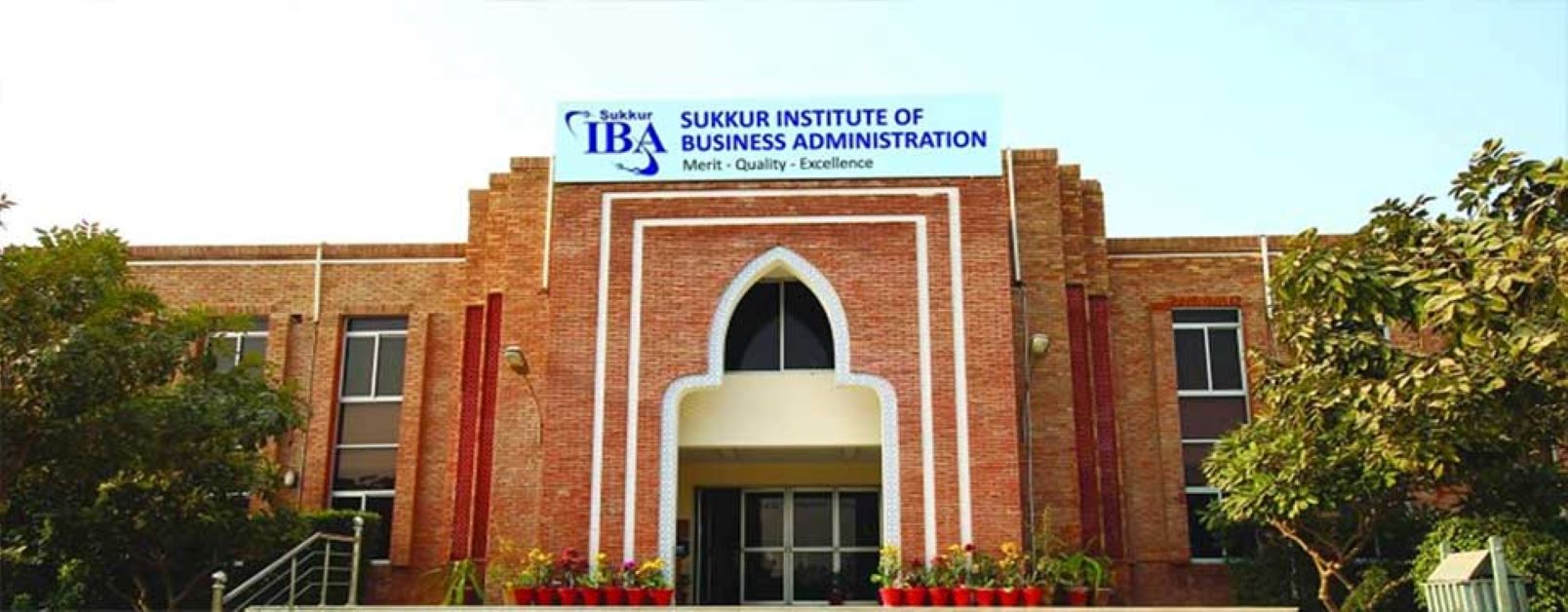


Isra University is a private university in Pakistan, recognized by the Higher Education Commission (HEC). The university is operated by Isra Islamic Foundation, a non-profit organization certified by the Pakistan Centre for Philanthropy (PCP).
The university offers higher education from undergraduate to PhD level across multiple academic disciplines. According to the available university information, it has grown from a small student body into an institution with thousands of students and more than 40 degree programmes.
Isra University focuses on academic excellence, research, innovation and entrepreneurship. Its stated mission also places emphasis on developing graduates who are skilled, ethical and responsible towards their professions and society.
The university’s vision is to generate knowledge and pursue academic excellence while keeping social betterment and empathy at the centre of education.
Programs and Degrees at Isra University
Isra University offers degree programmes from bachelor’s level through doctoral studies. The available information gives the following general programme durations:
| Program Level | Duration |
| Bachelor’s | 4 years |
| Master’s / MPhil | 2 years |
| PhD | 3 to 5 years |
The university offers programmes across different academic disciplines. Since programme availability can vary by campus and admission cycle, students should check the current official programme list before applying.
Bachelor’s Programs
Most bachelor’s programmes listed in the available information have a four-year duration. Students should select a degree according to their previous academic background and career plans.
Before applying, check the specific programme’s eligibility criteria, curriculum, accreditation where applicable and career opportunities.
Master’s and MPhil Programs
Isra University also provides two-year postgraduate study options at master’s and MPhil level. These programmes can be suitable for graduates who want to develop specialised knowledge or move towards research and academic careers.
PhD Programs
PhD programmes are available for students planning advanced research and academic careers. The stated duration ranges from three to five years, depending on the programme.
Applicants should confirm the relevant admission criteria, research requirements and available specialisations before applying.
Isra University Fee Structure
The total cost of studying at Isra University depends on the degree and programme selected. The available source information does not provide reliable current programme-wise tuition fees.
Students should check the university’s official fee information before applying and confirm all applicable charges, including:
- Tuition fee
- Admission or registration charges
- Examination fee
- Laboratory or practical charges where applicable
- Other university charges
- Payment deadlines
- Available instalment options, if any
Do not rely on an old fee figure from third-party websites because university charges can change between admission cycles.
Isra University Admissions and How to Apply
The admission requirements depend on the programme and level of study. A bachelor’s applicant, for example, may have different requirements from an MPhil or PhD applicant.
A basic admission process involves:
- Choose your programme based on your academic qualification and career goals.
- Check the eligibility criteria for that specific programme.
- Review the latest admission schedule and application deadline.
- Prepare the required documents, including academic records and identification documents.
- Submit the application through the university’s prescribed admission process.
- Complete any required admission test or assessment, if applicable to your programme.
- Check the merit or selection status after the application process.
- Pay the required dues and complete enrolment if selected.
Students should confirm the latest admission dates, eligibility criteria, entry test requirements and application procedure directly with Isra University before applying.
Admission Test
The available information indicates that admission test performance can be considered for merit-based rewards for new students. However, it does not establish that the same test is mandatory for every programme.
Applicants should therefore check their specific programme’s admission notice for the current test requirement, subjects and merit criteria.
Scholarships at Isra University
Isra University provides financial support to a portion of its student body. According to the available information, more than 10% of students receive scholarship support, fee concessions or direct cash awards.
New students with strong academic records and high admission test scores may also qualify for merit-based rewards.
The available scholarship support includes:
- Merit-based scholarships
- Fee concessions
- Direct cash awards
- Rewards based on academic performance
- Merit consideration based on admission test performance
Scholarship eligibility and award amounts can vary, so students should confirm the latest criteria with the university before admission.
Students can also explore external scholarship opportunities through the relevant scholarships category on Parhlo Pakistan.
Campus Life and Learning Environment
Isra University aims to provide an academic environment that combines education with research, innovation and entrepreneurship.
Its educational mission focuses on developing graduates who can contribute to their professions while maintaining ethical and social responsibility. The university also places importance on knowledge creation and social betterment.
Students considering Isra University should evaluate the facilities available for their specific programme before admission. This includes checking:
- Department-specific laboratories
- Library and study resources
- Research facilities
- Practical training
- Technology and learning resources
- Student activities and support services
The experience can differ considerably between academic disciplines, so prospective students should assess the department rather than relying only on the university’s overall reputation.
Careers After Graduation
Career opportunities depend on the degree and specialisation a student completes.
Bachelor’s graduates can enter professional roles related to their field, while master’s and MPhil qualifications can support more specialised positions and research-oriented work. PhD graduates may pursue careers in university teaching, research, academic leadership and specialised professional roles.
Students should consider the programme’s curriculum, practical exposure, accreditation and industry relevance when choosing a degree.
Pros and Considerations
Why students may consider Isra University:
- Private university recognized by HEC
- Undergraduate to PhD study options
- More than one academic discipline
- Focus on research and innovation
- Emphasis on entrepreneurship
- Merit-based student support
- Scholarships, fee concessions and cash awards
What students should verify before applying:
- Current programme list
- Programme-specific eligibility
- Latest fee structure
- Admission deadline
- Entry test requirements
- Accreditation of professional programmes
- Current scholarship criteria
- Campus-specific facilities
FAQs About Isra University
Is Isra University HEC recognized?
Yes. Isra University is recognized by the Higher Education Commission (HEC).
Is Isra University public or private?
Isra University is a private university.
Who runs Isra University?
The university is operated by Isra Islamic Foundation, which is described as a non-profit organization certified by the Pakistan Centre for Philanthropy.
What programmes does Isra University offer?
Isra University offers programmes from bachelor’s through master’s, MPhil and PhD levels across multiple academic disciplines.
How long are bachelor’s programmes at Isra University?
The general bachelor’s programme duration listed in the available information is four years.
Does Isra University offer scholarships?
Yes. The available information states that scholarship support, fee concessions and direct cash awards are provided to more than 10% of the student body. New students with strong academic records and admission test performance may also receive merit-based rewards.