
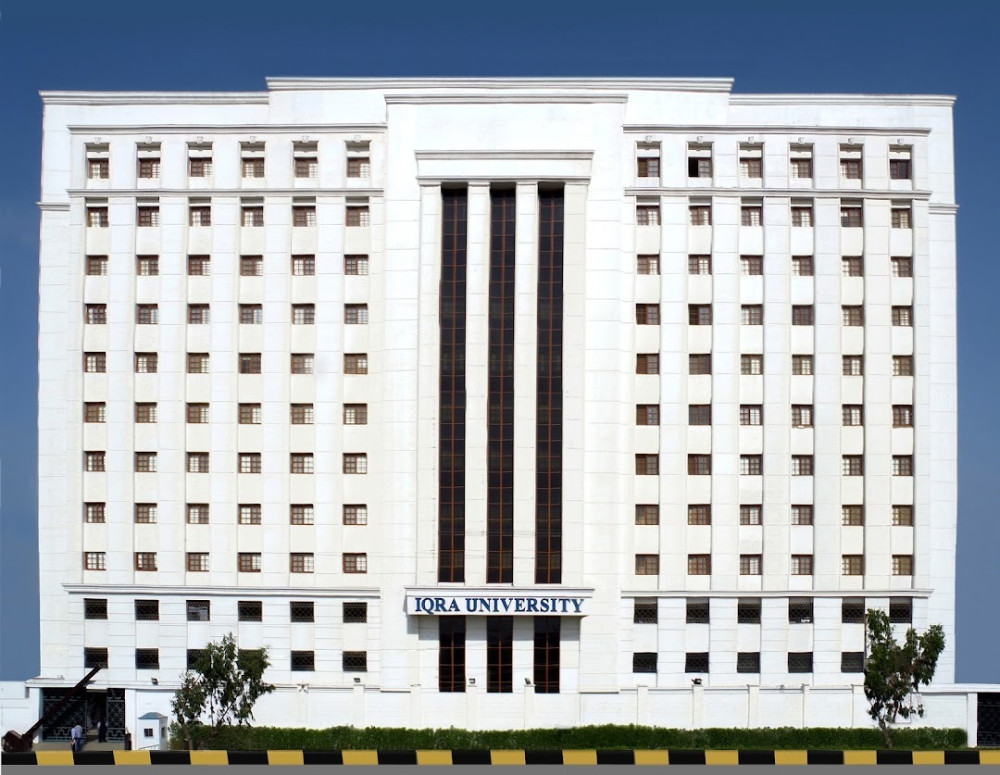
Iqra University is a private-sector university in Pakistan, established in January 1998 and chartered by the Government of Sindh. With campuses in Karachi and Islamabad, the university offers higher education opportunities across different academic fields.
Students considering Iqra University can explore diploma, associate degree, bachelor’s, master’s, and doctoral programmes, depending on current availability. Before applying, check the latest admission requirements, fees, scholarship options, and campus details through the official Iqra University website.
About Iqra University
Iqra University began its operations in January 1998. Since its establishment, the university has focused on providing higher education, developing professional skills, and supporting research and learning in Pakistan.
The university has campuses in Karachi and Islamabad. Its academic offerings cover a range of disciplines, although programme availability and facilities may differ by campus.
Iqra University is recognized by the Higher Education Commission (HEC), according to the supplied university profile. The profile also lists NBEAC, NACTE, NCEAC, and PEC among its accreditation bodies. Students should confirm the accreditation status of their specific programme because professional accreditation depends on the relevant degree and department.
The university’s profile also refers to its participation in international ranking systems, including QS rankings, Times Higher Education rankings, and UI GreenMetric. Students interested in rankings should review the latest published results and check which campus or subject each result covers.
2. Programs and Degrees at Iqra University
Iqra University offers academic programmes at different levels. The exact degree titles, subjects, eligibility requirements, and campus availability depend on the current academic catalogue.
The supplied university profile lists these general study options:
- Diploma programmes: Approximately six months to one year, depending on the programme.
- Associate Degree Programmes: Typically two years.
- Bachelor’s programmes: Commonly four years for many undergraduate degrees.
- Master’s programmes: The supplied profile lists two years, but duration and availability depend on the programme.
- PhD programmes: The supplied profile lists three to five years, depending on the programme requirements.
These are general durations, not a complete list of current programmes. Students should check the official academic catalogue to confirm available degrees and their duration.
When selecting a programme, consider the curriculum, practical training, entry requirements, career opportunities, and campus location. For professional degrees, also check whether the programme has the relevant accreditation.
You can explore related education guidance through Parhlo’s Courses and Programs section.
Iqra University Fee Structure
The fee structure at Iqra University varies according to the programme, degree level, campus, and applicable charges. The supplied information does not provide verified current tuition amounts, so students should consult the university before preparing a budget.
Before applying, confirm the following:
- Tuition fees per semester and the estimated total programme cost.
- Admission, registration, examination, and other applicable charges.
- Laboratory or programme-specific fees, where relevant.
- Available fee payment plans and payment deadlines.
- Refund rules and any applicable conditions for withdrawing from a programme.
Iqra University’s supplied profile links to its Fee and Refund Policy. Students should review this policy and contact the relevant campus for a complete, current fee breakdown.
Comparing the full cost of a degree, rather than tuition alone, can help students and parents plan more effectively.
Admissions and How to Apply
Admission requirements at Iqra University depend on the selected programme and campus. Diploma, associate degree, bachelor’s, master’s, and PhD applicants may need to meet different academic and admission requirements.
Students can follow these general steps:
- Visit the official Iqra University website and check the latest admissions information.
- Choose the programme and campus that match your academic background and career goals.
- Review the required previous qualification, minimum marks, subject requirements, and other eligibility conditions.
- Check whether an admission test, interview, portfolio, or additional assessment is required for your programme.
- Prepare the documents listed in the official admission notice, such as academic certificates, transcripts, identification documents, and photographs, where applicable.
- Complete the application through the university’s stated process and pay any required application fee.
- Follow the instructions for admission decisions, fee submission, and enrolment.
Entry Tests and Admission Deadlines
Entry-test requirements and selection criteria can vary by programme. Applicants should confirm the test format, required subjects, merit criteria, and any interview requirements through the relevant department.
Admission deadlines may also differ by campus and admission cycle. Check the latest official announcement for the application opening date, last date to apply, and any changes to the schedule.
Students should confirm the campus’s co-education policy and any programme-specific admission conditions directly with the university if these affect their decision.
Scholarships at Iqra University
Iqra University lists several forms of financial support in the supplied profile. These may help eligible students manage tuition costs, depending on the applicable rules and current availability.
The scholarship and assistance options listed include:
- Talent-Based Scholarship: For eligible students assessed under the university’s applicable talent criteria.
- Merit-Based Scholarship: Linked to academic merit under the relevant scholarship policy.
- Alumni Scholarship: A scheme associated with eligible alumni or their qualifying dependants, subject to the university’s rules.
- Loyalty Scholarship: A listed support option whose eligibility should be confirmed with the university.
- Faculty and Staff Scholarship: For eligible faculty or staff members under the applicable policy.
- Need-Based Scholarship: Financial assistance for students who meet the university’s financial-need criteria.
- Financial Assistance: Support that may be available to eligible students under current university policies.
- Differently Abled Student Scholarship: A listed option for eligible students with disabilities, subject to the applicable conditions.
The names above come from the supplied university profile. They do not confirm that every scheme is currently open or that all students qualify. Scholarship amounts, eligibility requirements, application deadlines, and renewal conditions should be checked directly with Iqra University.
The university’s profile also mentions fee payment plans and interest-free educational loans as possible forms of support. Contact the relevant campus to confirm their current availability and terms before relying on them to finance a degree.
Campus Life and Career Opportunities
Iqra University has campuses in Karachi and Islamabad, giving students options to explore based on their preferred location and programme. Before enrolling, confirm that your chosen degree is offered at the campus you intend to attend.
Students should also ask about the facilities and services relevant to their programme, including libraries, laboratories, computer facilities, practical training, transport, hostel arrangements, food options, and class timings. Availability may vary by campus, and details should be confirmed directly with the university.
Career Opportunities After Graduation
Career opportunities depend on the degree, skills, practical experience, and requirements of the chosen profession. Depending on their qualifications, graduates may pursue roles in relevant private-sector or public-sector organizations, continue their education, or develop their own businesses.
Before selecting a degree, review its curriculum and the skills it teaches. For programmes in regulated fields, verify professional accreditation and any registration or licensing requirements.
Advantages and Points to Consider
Potential advantages of Iqra University include its private-sector higher education options, campuses in Karachi and Islamabad, and a range of study levels.
Before applying, compare the total fee, programme curriculum, campus facilities, scholarship eligibility, and accreditation status with those of other recognized universities. Also confirm the current availability of your chosen programme and any career-related practical training.
The best choice depends on your academic goals, budget, preferred city, and the quality and recognition of the specific programme you plan to study.
Conclusion
Iqra University offers higher education options for students considering a private-sector university in Karachi or Islamabad. Its range of academic levels and listed financial support schemes may make it worth exploring, depending on the student’s chosen field and budget. Before applying, verify the current programme details, fee structure, admission requirements, scholarship conditions, and relevant accreditation. Comparing these factors will help students and parents make a more informed decision about their education.