
The Punjab government has recently taken significant administrative step before announcing its upcoming provincial budget. Authorities have decided to abolish nearly 30,000 long vacant positions within the School Education Department Punjab. This development reflect broader financial reform aim at improving budget efficiency and reducing unnecessary expenditure burdens.
Background of Long-Vacant Government Posts
According to official sources, these positions had remained unfilled for several years across different departments. Despite being vacant these posts continued appearing in budget documents with allocated salary funds annually. The government believes removing such entries will create a more transparent and realistic financial framework.
Impact on School Education Department Punjab
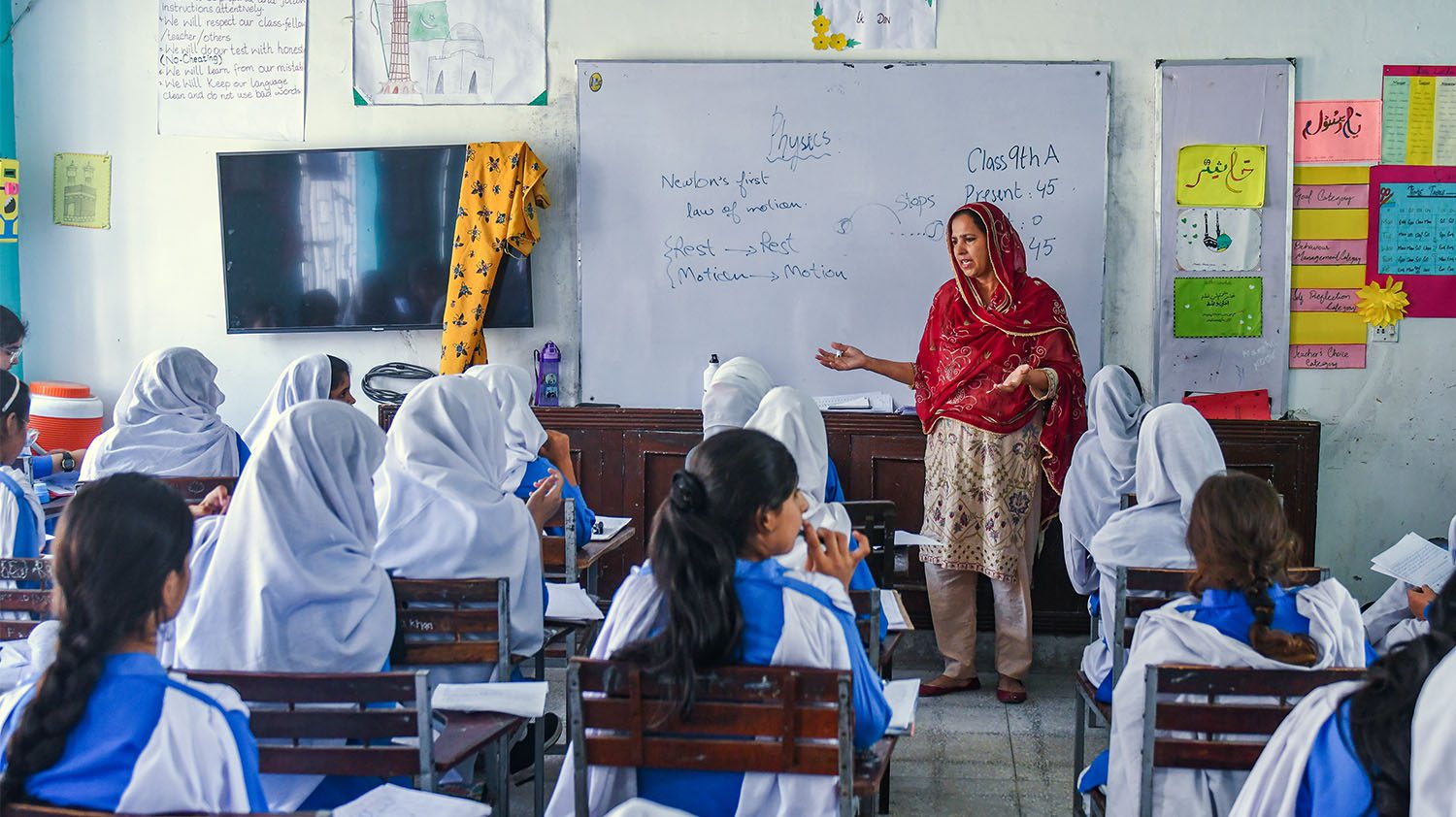
The School Education Department Punjab being the largest civilian employer recorded the highest number of abolish positions. Due to its vast workforce or unfilled roles accumulated over time and contributed heavily to administrative inefficiencies. Officials argue that this cleanup will help better reflect actual staffing levels and operational requirements.
Departments Affected by this Decision
Beyond education, several other departments also witnessed significant reductions in long-vacant government posts across Punjab. The Agriculture Department saw approximately 5,199 positions removed as part of the restructuring initiative. Similarly, more than 300 posts were abolished within the Directorate General Public Relations department.
Additional Reductions Across Key Sectors
In addition, around 200 vacant roles were eliminated in the Information and Culture Department recently. Large numbers of unfilled positions were also removed from Health, Forestry, Irrigation, and Housing departments. Authorities included Special Education and Prosecution departments in this decision to streamline administrative expenditures further.
Financial Objectives Behind the Policy
The primary objective behind abolishing these vacant posts is to reduce unnecessary financial pressure on Punjab exchequer. Officials noted that allocating funds for non existent employees created misleading financial planning and distorted budget allocations annually. Therefore removing these entries allow more accurate budgeting and better resource allocation for active services.
Government Perspective on Administrative Efficiency
Government representatives emphasize, this step align with the broader goal of fiscal responsibility and administrative efficiency. By eliminating outdated records departments can focus on optimizing their current workforce and operational priorities effectively. This approach is expected to strengthen the financial discipline across all major sectors within the Punjab administrative structure.
Reaction from Teachers and Unions
However the decision has spark the strong reactions from various stakeholders including teachers associations and labor unions. Critics argue that instead of abolishing posts the government should have fill these vacancies to address shortages. They believe the move overlooks critical staffing need especially in essential services like education and healthcare.
Concerns About Education Quality
Teachers organizations have express concern over the impact on public education quality in Punjab. They claim that existing staff already face heavy workload due to insufficient recruitment over recent years. Removing potential positions could further strain teachers and affect students learning outcomes.
Political Response and Debate
Political parties have also joined the debate questioning the timing and long term implications of this decision. Some leaders suggest that eliminating such a large number of government posts could limit employment opportunities significantly. They warn that youth seeking the government jobs may face increase competition and fewer openings in future recruitment cycles.
Economic and Employment Implications
Labor unions have echoed similar concern highlighting the importance of public sector employment for economic stability. They argue that job creation should remain a priority particularly during periods of economic uncertainty and inflation. According to them, abolishing posts may reduce potential hiring capacity and impact livelihoods across various communities.
Possibility of Further Job Cuts
Media reports suggested that this initiative might not be limited to current list of abolished posts. The Finance Department is reportedly reviewing the additional measures that could remove up to 100,000 vacant positions. This may indicate broader fiscal restructuring strategy aim at tightening government spending before the fiscal year concludes.
Long Term Effects on Public Sector Structure
If implemented such large scale reductions could reshape the structure of public sector employment across Punjab significantly. While it may improve the financial efficiency it also raise the questions about future workforce planning and service delivery capacity. Balancing fiscal discipline with public service needs will remain key challenge for policymakers moving forward.
Supporters Viewpoint on Budget Reforms
Supporters of the decision argue that maintaining the unused posts only inflate budgets without delivering tangible benefits. They believe that an accurate representation of workforce numbers is essential for effective governance and financial accountability. From this perspective abolishing vacant posts is a necessary correction rather than a negative policy decision.
Critics Perspective on Missed Opportunities
On the other hand critics maintain that vacant positions often represent potential opportunities for future hiring and expansion. They argue that departments facing shortages should have been allow to recruit instead of losing those positions permanently. This ongoing debate highlight the complexity of managing public sector reform in balanced and inclusive manner.
Future Outlook for School Education Department Punjab
The impact of abolishing 30,000 vacant posts in the School Education Department Punjab will likely unfold gradually. Short term financial savings may be evident but long term effects on employment and service delivery require careful observation. Policymakers must ensure that essential sectors continue functioning efficiently despite reduced structural capacity.
Need for Balanced Workforce Planning
In the context of public education ensuring adequate staffing remain crucial for maintaining quality learning environments. Authorities may need to explore alternative strategies such as targeted recruitment or contract based hiring solutions. This could help addresses the shortages while still maintaining the overall fiscal discipline within government departments.
Public Reaction and Ongoing Discussions
The broader public response reflect mix of understanding and concern regarding this administrative move. Many citizens appreciate efforts to reduce wasteful spending and improve financial transparency within government institutions. At the same time concerns about employment opportunities and service quality remain significant among the population.
Role of Budget Decisions in Governance
As Punjab moves closer to its budget announcement, decisions like these will shape future governance priorities. The balance between efficiency, employment, and service delivery will define the success of these reforms. Continuous evaluation and stakeholder engagement will be essential to ensure sustainable outcomes for all sectors.
About Parhlo Pakistan
Parhlo Pakistan is a trusted source for people who want to stay up to date on changes in government policy and the public sector. The website has well researched articles, the latest news and useful information that is tailored to Pakistani readers. To stay up to date on important national news and educational news follow Parhlo Pakistan.
In conclusion
In conclusion the choice to get rid of 30,000 empty positions in the Punjab School Education Department is a big change in policy. It aims to make finances more efficient but it has also sparked important conversations about job quality and service quality. In the future a balanced approach will be needed to make sure that both fiscal responsibility and the public good are taken care of properly.