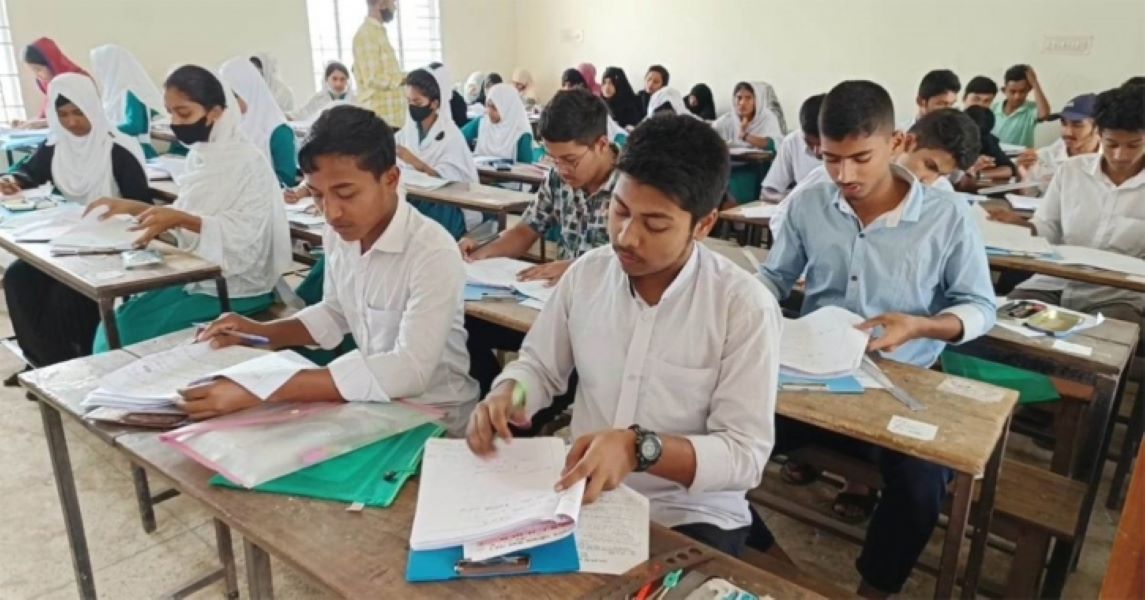

Pakistan continues facing the serious challenges as millions of children remain out of school nationwide today. Many enrolled students also leave education early due to economic pressures and social barriers. Addressing school dropouts in Pakistan requires urgent attention or innovative thinking and long term collaborative commitment.
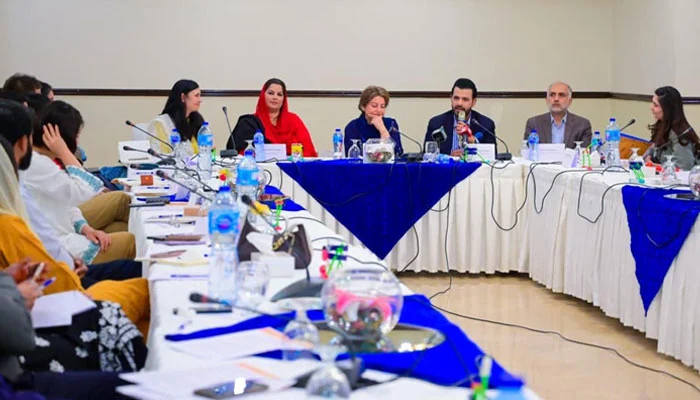
A recent roundtable in Islamabad brought together key stakeholders to discussion on meaningful educational reforms. The event focused on identifying practical or child centered solutions that help children stay engaged in schools. Experts emphasize that improving both access and classroom experiences to reduce school dropout in Pakistan effectively.
Collaborative Efforts to Strengthen the Education Systems
The roundtable titled “Inspired Education Investing in Creative Strategies to Reduce Dropout” encouraged constructive dialogue. It was hosted by Cities for Children with strong support from globally recognized Malala Fund. Participants explored sustainable methods to strengthen education systems despite financial constraints and growing population challenges.
Strong Participation from Government Representatives
Prominent policymakers attended the session including MNA Ms. Shaista Pervez Malik and other officials. Parliamentary Secretary for Education Ms. Rabia Naseem Farooqi also shared a valuable insights during the discussion. Their participation highlight the government commitment toward improving education outcomes through collaborative and innovative approaches.
Diverse Stakeholders Contribute to Meaningful Dialogue
Representatives from various sectors has joins the event including education ministers and development organizations. Institutions like BISP and JICA contributed perspectives on supporting vulnerable communities through tailored strategies. This diverse participation ensured a holistic discussion about addressing school dropout in Pakistan effectively.
Focus on Practical and Scalable Solutions
Madeeha Ansari Founder and CEO of Cities for Children shared an encouraging the vision during discussions. She emphasized moving beyond identifying problems and focusing on scalable or creative and practical solutions. Her remarks reinforced the importance of investing in child centered solutions for long term educational success.
Important Questions That Are Driving the Conversation
The roundtable was centered on important questions that were shaped the whole conversation and also encourage the people to think about their answers. Participants looked at ways to get around the obstacles that keep kids from getting to and staying in school. They also looked into how the schools can make environment that inspire students to stay interested.
Breaking Down Gender Barriers in School
Another important topic of discussion was how to deal with gender based problems that affect girls more than boys in different communities. Experts stressed the need for specific rewards that will help girls feel good about continuing their education. These methods are very important for keeping vulnerable girls in school in Pakistan.
Understanding Complex Barriers Faced by Students
Ms. Anam Akram from the Malala Fund highlighted the complexity of educational barriers faced by children. She explained that challenges often overlap, especially for girls facing poverty and social restrictions simultaneously. Her insights emphasized designing thoughtful interventions that address multiple challenges through child-centred solutions.
Improving Both Access and Quality of Education
Participants agreed that improving access alone cannot solve the education crisis in Pakistan effectively. Equal focus must be placed on improving quality of classroom experiences and learning environments. Students are more likely to stay in school when they feel safe respected and actively engaged.
Financial Support and Community Based Initiatives
- Offer targeted financial incentives to support low income families
- Provide scholarships to encourage school attendance
- Reduce education related expenses such as uniforms and books
- Develop community-based programs that support children learning
- Create local support networks for vulnerable students and families
- Encourage community participation in promoting education
- Strengthen partnerships between schools and local organizations
Making Classrooms Fun and Helpful
Strengthening classroom environments became a crucial element in decreasing school dropout rates in Pakistan. Experts say that adding fun and interactive ways to learn is important for students. These methods help kids to become more curious, confident and interested in learning activities.
The Significance of interpersonal Learning
Interpersonal development was another important topic that came up during the roundtable sessions. People said that schools should work on both the emotional and academic growth of their students. People said that harsh methods should be replaced with positive discipline methods that are kind and helpful.
Early Warning Systems Help Students Who Are at Risk
Mr. Zaigham from the Pakistan Institute of Education talked about this new system. He talked about how early identification helps teachers give struggling students the help they need in a way that works. These kind of systems are very important for lowering the number of students who drop out of school in Pakistan by taking action before the problem gets worse.
Sharing Innovative Teaching Practices
Innovative teaching practices play a key role in keeping students engaged and reducing school dropout in Pakistan effectively. Creative methods help make learning enjoyable, interactive, and easier for students to understand. Adopting modern teaching approaches can significantly improve classroom participation and student retention rates.
- Use storytelling techniques to make lessons engaging and relatable
- Apply play-based learning methods to improve student participation
- Encourage interactive classroom activities for better understanding
- Introduce creative teaching tools to simplify complex concepts
- Promote student-centered learning approaches in classrooms
- Integrate group work to enhance collaboration and communication
- Adapt teaching strategies according to students learning needs
Community Engagement as a Key Strategy
Community engagement emerged as powerful strategy for supporting children education across different regions. Involving parents and local leaders helps create supportive environment that values and promotes education. Such efforts strengthen the impact of child centered solutions and reduce the dropout risks significantly.
Government Commitment to Educational Improvement
Ms. Shaista Pervez Malik reaffirmed her commitment to working closely with the education practitioners all across the nation. She highlight the importance of integrating creative strategies into the formal education policies and systems. Her support reflect strong political will to address school dropout in Pakistan through meaningful reforms.
Call for Long Term Investment in Education
The roundtable concluded with a unified call to action from all participants and stakeholders present. They emphasized sustained investment in innovative, inclusive, and child-centred solutions for long-term success. Ensuring every child stays in school requires continuous effort, collaboration, and dedicated resource allocation.
Adapting Education Systems for Modern Challenges
Experts agreed that education systems must evolve to meet the changing needs of children today. Traditional methods alone cannot address the complex challenges contributing to dropout rates nationwide. Embracing innovation and flexibility is essential for building a more inclusive and effective education system.
Role of Technology in Education
- Digital learning tools for better engagement
- Online support resources for students
- Technology-assisted teaching methods
- Expanding access to digital education
Data-Driven Strategies for Better Outcomes
The importance of data-driven decision-making was also emphasized during the roundtable discussions. Accurate data helps identify trends, measure progress, and design effective interventions for students. This approach strengthens efforts to reduce school dropout in Pakistan through informed strategies.
Monitoring and Evaluation for Sustainable Impact
Participants highlighted the need for continuous monitoring and evaluation of educational programs nationwide. Regular assessments ensure that initiatives remain effective and responsive to students’ evolving needs. This process helps refine strategies and maximize the impact of child-centred solutions over time.
Raising Awareness About Education Importance
- Promote the importance of education through community awareness campaigns
- Highlight long-term benefits of schooling for children and families
- Encourage parents to enroll and retain children in schools
- Address misconceptions and cultural barriers related to education
- Use media platforms to spread positive education messages widely
- Engage local leaders to advocate for education within communities
- Support initiatives that motivate students to continue their studies
Importance of Multi Sector Partnerships
Collaboration between government or private sector and non governmental organizations was strongly encouraged during discussions. Such partnerships can pool the resources or expertise and innovative ideas to address educational challenges. Working together to ensure more comprehensive and impactful approach to solving complex issues.
Ensuring Equal Opportunities for Every Child
Ultimately the roundtable highlight that every child deserve the access to quality education and opportunities. Ensuring this requires the sustained commitment to innovative thinking and inclusive policies across all levels. Reducing school dropout in Pakistan is achievable through coordinated efforts and shared responsibility.
Stay Updated with Parhlo Pakistan
Parhlo Pakistan serves as a reliable platform providing educational updates, insights and valuable resources for students. The website shares important information about academic opportunities, policies, and initiatives shaping Pakistan education sector. By visiting Parhlo pakistan readers can stay informed and access helpful educational content regularly.
Conclusion
In conclusion the Islamabad roundtable demonstrated the power of collaboration and innovative thinking in education. By focusing on child centered solutions stakeholders can create systems that support every student effectively. With continued effort Pakistan can significantly reduce dropout rates and ensure a brighter future.