
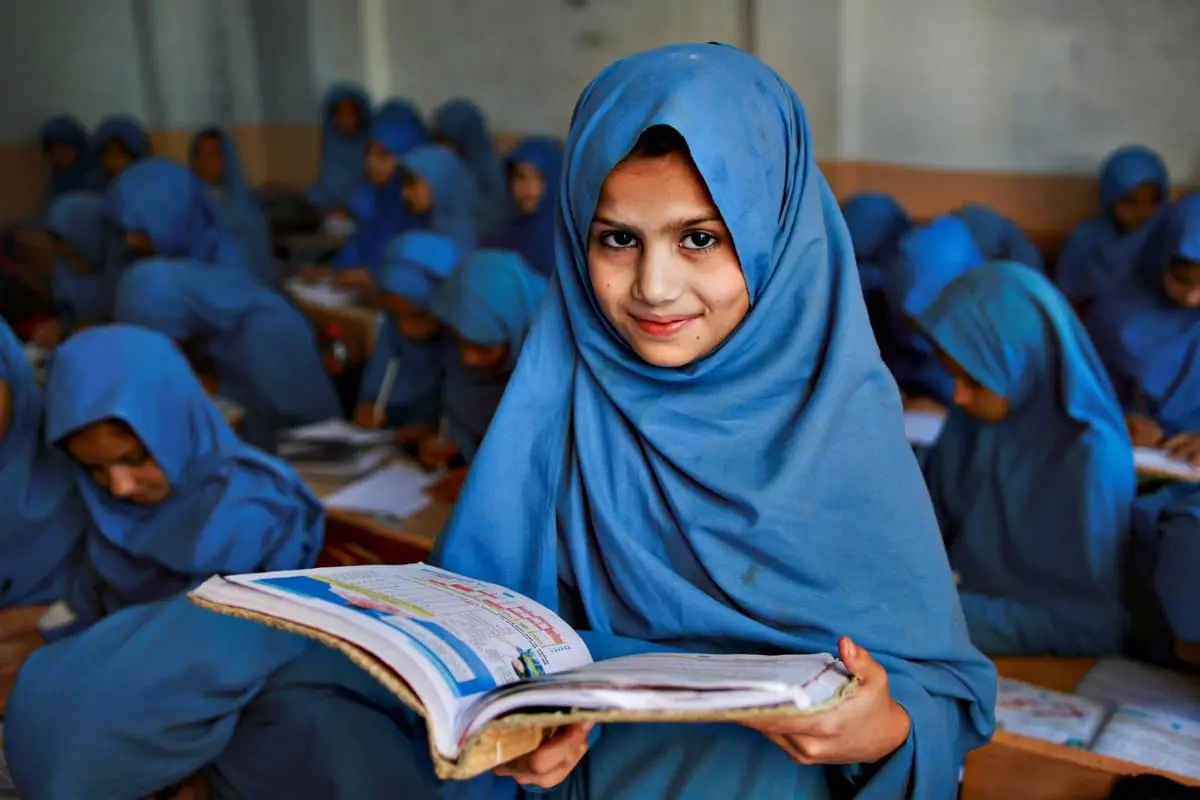
Pakistan education system may soon experience a historic transformation focused on flexibility, fairness, and student choice. A major education reforms in Pakistan is being discussed that could change how students select subjects. This reform aims to modernize secondary and higher secondary education nationwide. Millions of students could benefit from a more balanced and opportunity-driven academic structure.
The Inter Boards Coordination Commission has taken a leading role in initiating this important national conversation. A high-level consultative meeting was recently held to examine long-standing structural problems. This meeting focused on removing rigid subject group divisions at SSC and HSSC levels. The initiative represents a bold step within ongoing IBCC education reforms.
Longstanding Challenges Faced by Pakistani Students
For decades, Pakistani students have been confined to strict subject groups during crucial academic years. These classifications often determine future opportunities regardless of individual subject performance or interests. Many students discover limitations only after completing their intermediate education. This rigidity has caused frustration and reduced academic mobility across provinces.
Strong National Representation at the IBCC Meeting
The consultative meeting took place at the IBCC Secretariat with strong national representation. Chairmen of major examination boards attended in person, showing serious institutional commitment. Representatives from Balochistan and provincial curriculum authorities joined virtually. Their participation highlighted the nationwide importance of this major education overhaul in Pakistan.
Dr. Ghulam Ali Mallah Highlights Systemic Flaws
The meeting was chaired by IBCC Executive Director Dr. Ghulam Ali Mallah, who set the tone clearly. He emphasized that the existing system creates artificial and unnecessary barriers. Students passing several science subjects still face humanities equivalence restrictions. Such outcomes negatively affect student welfare and national academic potential.
Why Rigid Subject Groups Limit Student Potential
Dr. Mallah explained that academic ability should not be judged through outdated group labels. He stressed that individual subject performance deserves proper recognition. The current model limits access to professional degrees unfairly. Addressing these flaws is central to IBCC education reforms.
Impact on Student Mobility and University Access
Participants carefully reviewed the impact of rigid groupings on student mobility. They discussed how students struggle when moving between provinces or education boards. Universities often reject capable applicants due to technical group mismatches. This situation contradicts principles of fairness and merit-based education.
The Need for a Flexible Academic Framework
A major concern raised was the inflexibility of the current academic framework. One group label often defines a student’s entire academic future permanently. Individual strengths in specific subjects are frequently ignored. This approach limits innovation and discourages academic exploration.
Shift Toward Subject-Based Admission Pathways
To address these challenges, stakeholders proposed a transformative shift in admissions methodology. The new model focuses on subject-based pathways rather than predefined groups. Universities would evaluate students based on passed subjects and achieved marks. This proposal strongly supports the broader education overhaul in Pakistan.
How Subject-Based Admissions Will Work
Under the proposed system, subject relevance would guide university admissions decisions. For example, engineering programs could prioritize mathematics and physics performance. Group titles would no longer override subject competence. This change promotes fairness and academic relevance.
Alignment with International Education Standards
International education systems already follow similar subject-based admission practices. Global universities increasingly focus on course-specific subject requirements. Pakistan’s alignment with these standards could improve global recognition. This alignment is another key objective of IBCC education reforms.
Unanimous Support from Education Stakeholders
The proposal received unanimous support from all attending stakeholders and institutions. Representatives from HEC, PM&DC, NCC, and examination boards endorsed the initiative. Their agreement reflects a shared understanding of systemic issues. Such unity strengthens the likelihood of successful implementation.
Higher Education Institutions Welcome the Reform
Higher Education Commission officials highlighted the importance of adaptable admission frameworks. They noted that universities require flexibility to meet evolving academic demands. Fixed groups no longer serve modern interdisciplinary education needs. Subject-based pathways provide better alignment with university programs.
Medical and Technical Education Perspectives
Medical education authorities also welcomed the proposed changes enthusiastically. PM&DC representatives acknowledged flaws in existing prerequisite structures. They supported reforms allowing capable students broader access opportunities. This support further validates the education overhaul in Pakistan.
Integrating Academic and Vocational Education
Technical and vocational education representatives emphasized inclusivity and skill development. They encouraged blending academic and vocational subjects at secondary levels. Such integration could reduce the gap between theoretical and practical education. This idea gained strong backing during discussions.
Flexibility at the SSC Level to Reduce Pressure
Another major recommendation focused on increasing flexibility at the SSC level. Students often face early academic locking when choosing subjects in Grade 9. The proposed reforms aim to delay rigid specialization decisions. This approach allows students time to discover interests and strengths.
Supporting Student Mental Well-Being
Early flexibility can significantly reduce academic stress among young students. Many students choose groups without adequate guidance or maturity. Later realization of mismatches creates regret and lost opportunities. IBCC education reforms seek to address this psychological burden.
Formation of a National Joint Working Group
To ensure practical implementation, a national joint working group was formed. This group includes IBCC, HEC, PM&DC, NCC, and board representatives. Their responsibility is to address logistical and administrative challenges. They will present detailed recommendations in future meetings.
Stakeholder Praise and Nationwide Representation
Stakeholders across Pakistan praised IBCC’s leadership and initiative openly. They acknowledged the Commission’s role in facilitating meaningful dialogue. Constructive engagement among institutions was widely appreciated. This cooperation sets a positive precedent for future reforms.
Promising Outcomes for Students and Universities
The proposed reforms promise improved student mobility across provinces and boards. Students could pursue higher education based on subject competence. This approach removes unnecessary administrative hurdles. It supports a fairer academic environment nationwide.
Parhlo Pakistan Supporting Educational Awareness
Parhlo Pakistan has consistently highlighted important educational developments affecting students nationwide. The platform provides reliable updates, exam resources, and academic guidance for learners. Through informative content, Parhlo Pakistan supports informed decision-making among students. It remains a trusted source for education news and reforms across Pakistan.
Conclusion: A Student-Centric Future Ahead
In conclusion, Pakistan stands at a critical moment in its education journey. The proposed subject-based pathways promise fairness, flexibility, and progress. With strong stakeholder support, meaningful change appears achievable. This reform could redefine academic freedom for future generations.