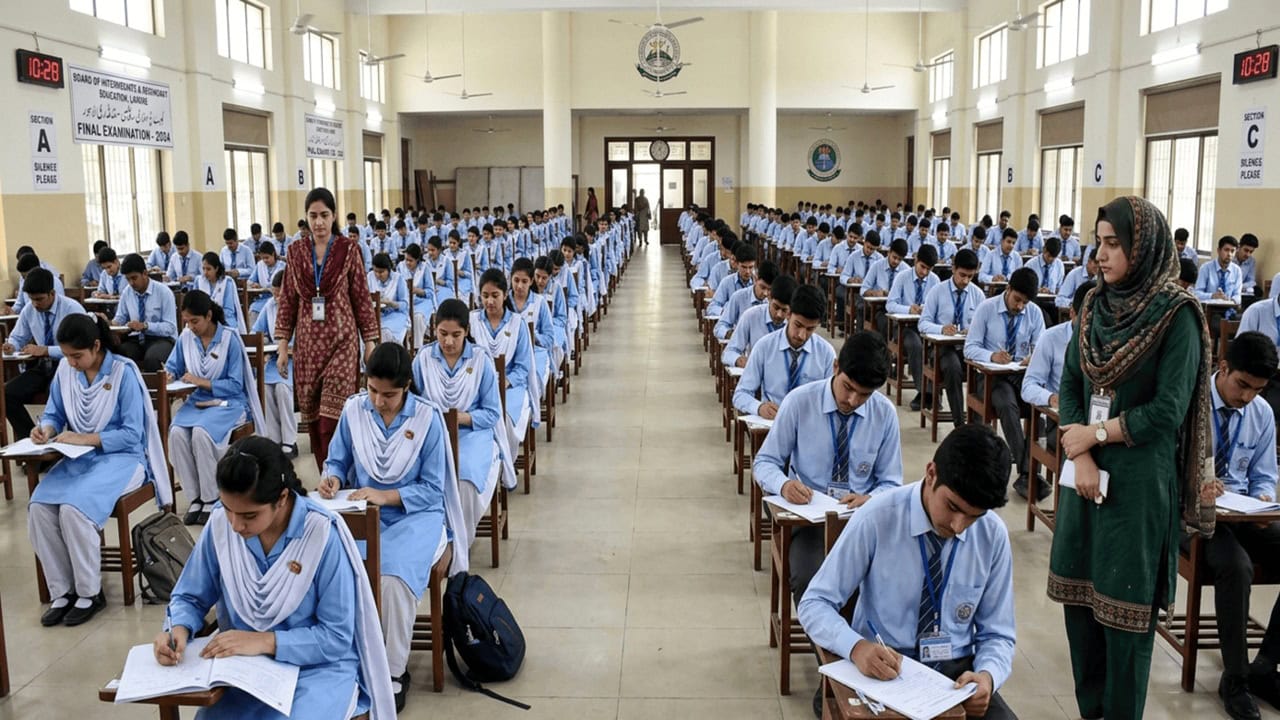

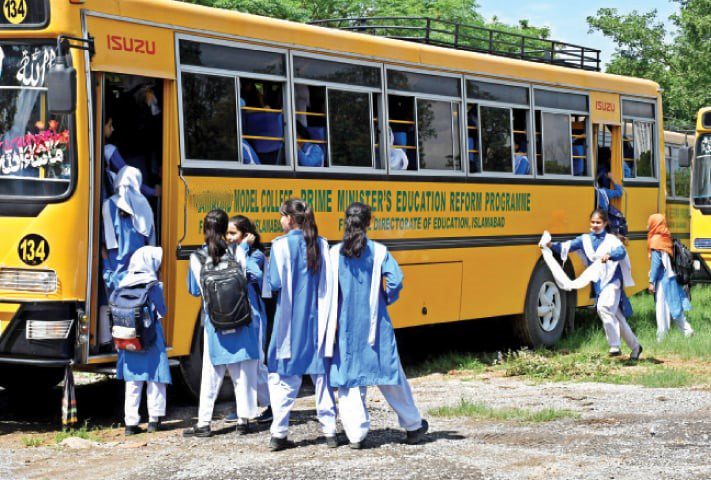
In a historic effort to improve female education the Sindh government has introduced a route based transport scheme. The initiative focus on girls enrolled in secondary and higher secondary schools across the rural and underserved regions. By providing safe and reliable commuting options authorities hope to reduce dropout rates significantly and encourage consistent school attendance.
Officials from the Sindh School Education Department emphasized that distance and safety are critical barriers for female students. The program is designed to provide structured transportation services for girls in remote areas across the province. Ensuring safe daily travel the government aims to make education accessible regardless of geographic or social limitations.
Breaking Down Barriers to Female Education
Education specialists underline that learning is a social objective but also a constitutional right for every child. The route based transport initiative aligns with the Article 25-A of the Constitution of Pakistan and the Sindh Right of Children to Free and Compulsory Education Act 2013. Parents in rural area may often hesitate to send their daughters to distant schools due to safety concerns and long travel times.
Authorities explained that fear about unsafe travel discourage female students from attending school regularly leading to significant dropout rates. This program seek to eliminate such concerns by providing secure and reliable transport services. By addressing transportation challenges directly girls can also gain equal opportunities to pursue education and secure a brighter future.
This facility will provide a secure commuting environment, a senior official stated. “It is specifically designed to ensure safety fears no longer hinder education. Safe transport will encourage families to prioritize school attendance for daughters. Overall this initiative addresses both parental concerns and students educational needs effectively.
Improving Attendance and Academic Performance
The Sindh transport scheme is expected to significantly improve the students attendance and overall academic performance in rural areas. Students often miss classes due to long travel distance and the lack of safe commuting options daily. By introducing the reliable transportation the government aims to create a stable and supportive learning environment.
- Improved student attendance in schools
- Better academic performance and classroom participation
- Reduced dropout rates among female students
- Increased punctuality and discipline
- Higher examination success rates
The program will also benefit female teachers who face similar commuting challenges in remote regions. Regular attendance of teachers ensures that the classrooms remain active and time is utilized effectively. This may combined support for teachers and students strengthen the overall quality of education in underserved communities.
Targeting High Dropout Districts First
The government has adopt the phased rollout strategy to target districts with historically high dropout rates among girls. Initial implementation focus on Umerkot, Badin, Jamshoro, Larkana, Shaheed Benazirabad, Ghotki and Malir. Moreover these regions were identified using detailed educational data that highlights the critical gaps in girls school attendance and distance related obstacles.
The first phase of the project will have the greatest impact if resources are concentrated in these districts. As the program grows authorities will keep an eye on results, improve transportation routes, and handle any logistical issues. The government hopes to swiftly attain noticeable increases in enrollment and attendance by starting in the most vulnerable areas.
Additionally the program can be tailored to the particular difficulties that each district faces thanks to the phased rollout. Planning takes into account elements like topography, population density and cultural norms. This methodical approach boosts the chances of success and fosters confidence in local communities and families.
Aligning with Sindh’s Long Term Education Goals
This transport program complement the Sindh Education Sector Plan which emphasizes the equity and access for marginalized communities. It also support Sustainable Development Goal 4 (SDG) which call for the inclusive and equitable quality education for all the children. By enabling female students to travel safely to schools Sindh is making measurable progress toward national objectives.
Authorities explained that the initiative works alongside the infrastructure improvements including the construction of new schools and upgrading existing facilities. Combining transportation support with school infrastructure ensures comprehensive approach to female education. This integrated model addresses multiple barriers simultaneously creating long term benefits for students, teachers and families.
Education experts believe that safe transport is often the deciding factor in whether girl completes her secondary education. By guaranteeing safe commuting options, the Sindh government is transforming education from a theoretical right into a practical reality. Families now feel more confident allowing daughters to continue their studies without fear of distance related risks.
How Parhlo Pakistan Supports Educational Awareness
Parhlo Pakistan news section provides students, parents and educators with timely updates on government initiatives like this transport scheme. The website shares informative content on scholarships, education policies and key reforms across Pakistan. By offering detailed guidance and practical advice Parhlo Pakistan encourages families to make informed decisions regarding girls schooling opportunities.
The platform also highlights stories of successful programs and local initiatives that have been positively impacted female education. Parents can access credible information about enrollment procedures, school timings and transport facilities. Through this approach Parhlo Pakistan strengthens community engagement and awareness supporting government efforts to boost girls education.
Long-Term Benefits for Girls and Communities
It is anticipated that the route based transportation service will benefit thousands of girls in Sindh by giving them safe access to schools for the first time. Students confidence or academic performance and long term educational outcomes all improve with regular attendance. Additionally communities gain from educated girls contributions to social development, economic expansion and improved health awareness in rural areas.
When dependable transportation is available parents say they are more inclined to send their daughters to school. Teachers in remote area can now concentrate on teaching instead of worrying about issues with attendance. In general the program encourages a culture in which gender barriers are gradually eliminated and education is given priority.
The government hopes that the program success in high dropout districts will serve as a model for nationwide expansion. Safe transport, combined with quality education and improved school infrastructure forms a holistic approach to female education. Sindh proactive policies now demonstrate how strategic interventions can create long term sustainable improvements.
A Step Toward Gender Equality and Empowerment
With the route based transport initiative the Sindh government is making a decisive step toward gender equality in education. By ensuring that distance does not prevent girls from attending school authorities are empowering young women with knowledge and opportunities. Ultimately this scheme will help create more educated or skilled and confident generation of female leaders in the province.
Education advocates continue to praise this initiative as innovative solution to longstanding challenges in rural education. Parents or teachers and communities are already witnessing the benefits of secure commuting options. By integrating transportation with broader educational reforms Sindh sets an example for other provinces to replicate effective strategies for girls enrollment.