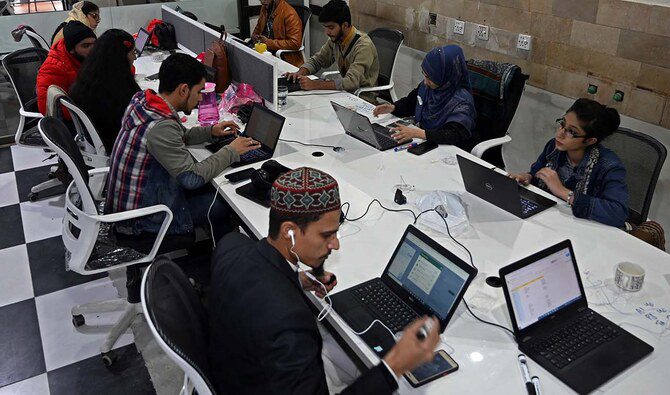

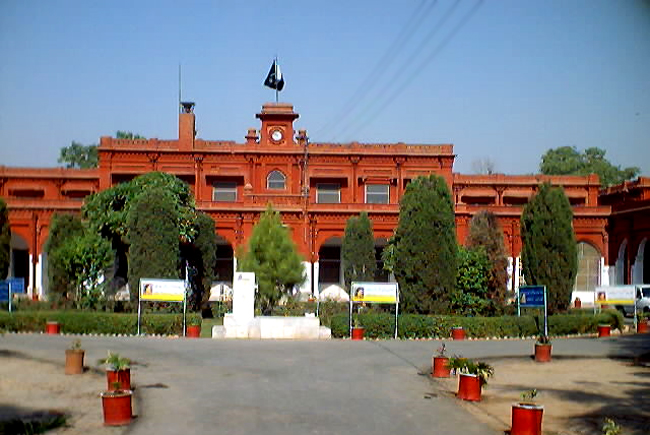
In a transformative move for public higher education, the Sindh government has approved the four-year Bachelor of Studies (BS) programs offer by 164 additional government colleges across the province. This strategic expansion is designed to democratize access to quality undergraduate education for students in their hometowns, reducing both financial and geographic barriers.
By enabling local colleges to offer degree-level education, Sindh is opening new opportunities for thousands of students across urban and rural areas. The initiative, led by the Sindh Colleges Department, allows students to earn full fledged BS degrees in disciplines like Science, Commerce, Arts, and Computer Science.
This approach provides affordable alternatives to university education while leveraging existing infrastructure efficiently for local communities. Through this policy, the provincial government is taking a decisive step in improving higher education accessibility and affordability for all students.
This initiative is about equity and opportunity, stated Sindh Secretary for Colleges, Nadeem ur Rehman. We are bridging the gap between colleges and universities, ensuring fair access to education. He emphasized that students from middle-income families and remote districts should no longer bear the prohibitive cost of relocating for higher studies.
From Colleges to Degree-Granting Institutions: The Affiliation Model
The operational success of this policy relies on affiliating selected government colleges with recognized public universities across Sindh. Through this model, academic curricula, examination systems and degree certifications align with university standards ensuring the credibility of all BS qualifications. This framework guarantees that students receive education equivalent to that offered at larger universities while remaining in their local communities.
Out of Sindh 376 government colleges 164 institutions have proactively applied for university affiliation under this new phase of expansion. This builds on an existing foundation where 55 colleges already run BS programs successfully, and five more in Karachi have recently secured affiliation. With these approvals, the province is rapidly expanding its network of degree-offering colleges, bringing the total operational number to 60 currently.
The process is accelerating, Secretary Rehman confirmed as approvals for BS programs in another 159 colleges are nearing completion stages. This shows the government strong commitment to expanding higher education without compromising academic quality. Students and parents can expect wider options for degree programs over the next academic year.
Impact Analysis: Benefits for Students and the Education Ecosystem
The rollout of four-year BS programs is expected to bring wide-ranging benefits for students, families, and the education system across Sindh. One of the most significant advantages is the reduction in educational costs, making higher studies more accessible.
- Tuition fees at government colleges are much lower than universities
- Families can better manage education expenses
- Savings on hostel, transport, and living costs make degrees affordable
Access for Rural and Female Students
Geographic accessibility is another major benefit, especially for students from rural and remote districts. This policy allows students to pursue higher education closer to home without major social or financial challenges.
- Helps students from Jacobabad, Umerkot, Tharparkar and Kashmore
- Encourages female participation in higher education
- Reduces the need to relocate to large cities
Reduced Pressure on Major Universities
The expansion of BS programs in government colleges will also reduce pressure on major universities. Overcrowding has affected academic quality at several institutions for years.
- Decreases student burden on universities in Karachi, Hyderabad, and Sukkur
- Improves teaching and learning environments
- Allows universities to focus on postgraduate education and research
Better Use of Existing Educational Infrastructure
This policy makes effective use of existing college infrastructure while improving academic standards. Colleges are being upgraded to deliver degree-level education efficiently.
- Utilizes existing classrooms and laboratories
- Improves science and computer lab facilities
- Avoids dependence on costly private education options
Strengthening Workforce and Economic Growth
Offering degrees in high-demand fields will help strengthen Sindh’s workforce and economy. Graduates will be better prepared to meet market needs and industry expectations.
- Supports long-term regional economic growth
- Focus on Computer Science, Commerce, and related disciplines
- Builds skills required by local businesses
Challenges and the Road Ahead
While this initiative is widely praised, experts emphasize that its success depends on effective implementation and continuous monitoring. Colleges need trained faculty capable of delivering university-level courses, as well as modernized laboratory and computer facilities to meet academic standards. Maintaining consistent quality across all affiliated institutions will be essential to avoid disparities in student outcomes and recognition of degrees.
Affiliation is the first step but sustained support is crucial, explained a Karachi-based education analyst. The Colleges Department must implement regular faculty development programs and strict quality assurance mechanisms for real success. Without proper oversight, there is a risk that some colleges may struggle to meet the high standards expected from degree granting institutions.
The Sindh government has indicated phased funding allocations for infrastructure upgrades and faculty development, ensuring that the program is sustainable. Affiliation agreements with universities also include clauses for academic oversight and ongoing teacher training. These measures aim to create a robust and scalable framework for delivering four-year BS programs across the province.
A Paradigm Shift in Sindh Education Landscape
The introduction of BS programs in 164 government colleges represents a major paradigm shift in Sindh higher education policy. By transforming government colleges into degree-granting institutions, the province is promoting inclusive access to quality education for all socioeconomic groups.
This bold approach encourages higher enrollment rates, promotes social mobility, and strengthens the province’s academic ecosystem from grassroots to urban centers. This policy benefits students directly but also fosters a culture of education-driven economic development across Sindh.
Families who previously struggled to fund university studies can now pursue affordable options locally, supporting overall societal advancement. Over time, this approach has the potential to bridge educational divides and cultivate talent across diverse regions of the province.
Parhlo Pakistan: Your Trusted Education Resource
For students and parents seeking accurate information about BS programs in Sindh, Parhlo Pakistan serves as a reliable guide. The website provides timely updates on government colleges, application procedures, affiliated universities, and available disciplines for undergraduate studies.
By offering comprehensive education-related news, Parhlo Pakistan helps learners make informed decisions about their academic journeys. Prospective students and families can use the website to verify college affiliations, check deadlines, and understand course structures.
Conclusion: Expanding Opportunities Across Sindh
The Sindh government’s decision to allow 164 government colleges to offer four year BS programs is a groundbreaking step for higher education. By prioritizing accessibility, affordability, and academic quality, the province is fostering opportunities for thousands of students to achieve their academic and career goals.
With continuous support from universities, investment in infrastructure, and reliable information sources like Parhlo Pakistan, this initiative has the potential to transform Sindh’s educational landscape permanently. As the program grows, students from both urban and rural areas will have a chance to pursue degrees in core disciplines without leaving their communities.
The initiative promises personal and professional advancement for learners but also broader social and economic benefits for Sindh. This policy signals a future where higher education becomes a right rather than a privilege, and quality degree programs are available to all students across the province.