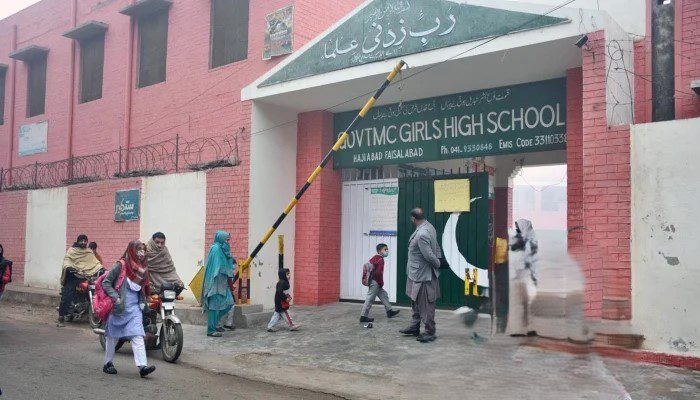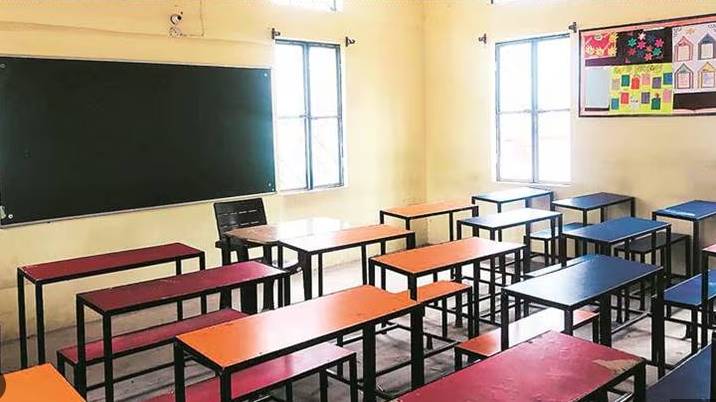


In a bold move to improve academic standards, the Sindh College Education Department has announced sweeping changes across provincial colleges. These changes include a ban on unnecessary mobile phone usage on campuses, a strict crackdown on teacher absenteeism, and the introduction of extensive student counselling programs. Officials believe these education reforms will significantly enhance both the quality and accessibility of higher education in Sindh.
Major Policy Shifts: Mobile Phone Ban and Student Counselling
The most immediate change for students will be the official ban on excessive mobile phone use within college premises. This policy intends to minimize distractions and help students focus more effectively during their classroom sessions. Alongside the phone ban, the department is establishing a comprehensive student counselling initiative to support both academic progress and personal growth.
The counselling program will recruit education specialists, experienced bureaucrats, and professional advisors to mentor students regularly. By providing tailored guidance, the initiative will address mental health, career planning, and academic challenges systematically. Secretary Nadeem Memon emphasized that these reforms aim to build a supportive and disciplined educational environment for every college student.
Crackdown on Teacher Absenteeism and Negligence
During a high level meeting, officials raised serious concerns over chronic teacher absenteeism, affecting academic standards. Data showed 44 male and 36 female teachers were absent for long periods, prompting the department to take legal action.
- Officers failing duties will face strict disciplinary action without exceptions
- Absentee cases forwarded to the Chief Secretary of Sindh for further action
- Public notices about teacher negligence to be published in newspapers
Strengthening Monitoring and Infrastructure Development
To improve governance, the department approved the creation of an autonomous Monitoring and Evaluation Directorate. This new body will merge existing inspection wings to enforce faculty attendance, assess infrastructure quality, and maintain academic standards. By centralizing monitoring, officials aim to ensure consistent oversight across all colleges, reducing bureaucratic inefficiencies effectively.
Infrastructure development also remains a key focus of these reforms, as several colleges had previously faced substandard construction challenges. Secretary Memon instructed the establishment of a College Infrastructure Development Unit, tasked with managing future projects professionally. Through competitive national and international tendering processes, the unit will ensure quality construction and prevent corruption in college infrastructure projects.
Broader Outreach: “Each One, Teach One” Initiative
The Sindh College Education Department is extending reforms beyond campus boundaries through the Each One, Teach One program. This community-driven initiative encourages citizens to support education by bringing out-of-school children back into formal schooling. By fostering local participation, the program hopes to improve literacy rates and increase overall enrollment throughout the province.
This initiative also aims to build stronger relationships between colleges and communities, creating awareness about the value of education. Local volunteers, teachers, and students will collaborate to guide children who have missed formal schooling opportunities. Such community engagement reflects the department’s commitment to inclusive and sustainable education reforms.
Analysis: A Holistic Approach to Educational Challenges
Sindh’s recent policy changes take a comprehensive approach, combining student-focused measures like the mobile phone ban and counselling with strict faculty accountability and systemic reforms to improve monitoring and infrastructure.
- Reforms aim to enhance student experiences and restore public trust
- Professional project management and independent monitoring directorate introduced
- Absentee teachers publicly named to ensure transparency
Expected Impact and Future Steps
In the short term, these reforms are expected to increase campus discipline significantly and enhance the learning environment. Students will benefit from focused classrooms, stronger mentorship, and better support services designed to improve academic performance. Long-term success, however, will depend on consistent implementation, continuous monitoring, and strong political will to enforce these education reforms.
The formal notification for the mobile phone ban is anticipated shortly, clarifying specific guidelines and exceptions for usage on campuses. Recruitment for the student counselling program and operationalization of the new Monitoring Directorate remain essential next steps. Together, these measures could transform Sindh’s college education system and promote sustainable development across all academic institutions.
About Parhlo Pakistan
Parhlo Pakistan is a leading online platform delivering educational news, insights, and updates across the country. The website provides students, parents, and educators with timely information about reforms, policies, and academic opportunities. By highlighting important developments like Sindh’s college mobile phone ban and other education reforms, Parhlo Pakistan helps readers stay informed and engaged with the education sector.
A New Chapter for Sindh’s Colleges
The Sindh College Education Department’s reforms mark a turning point in provincial education, aiming to revitalize both academic quality and student welfare. If executed fairly and consistently, these policies could restore public trust, improve teaching standards, and encourage greater student participation. The real test now lies on the ground, where disciplined implementation and community cooperation will determine the ultimate success of these ambitious reforms.
Conclusion
In conclusion, Sindh’s decision to ban mobile phones, introduce counselling programs, and strengthen accountability represents a forward-thinking vision. By addressing systemic issues from multiple angles, the department is working to create a sustainable, student-focused education system. These reforms, combined with ongoing community initiatives, promise a brighter future for students and educators alike, ensuring that Sindh’s colleges become centers of learning excellence.