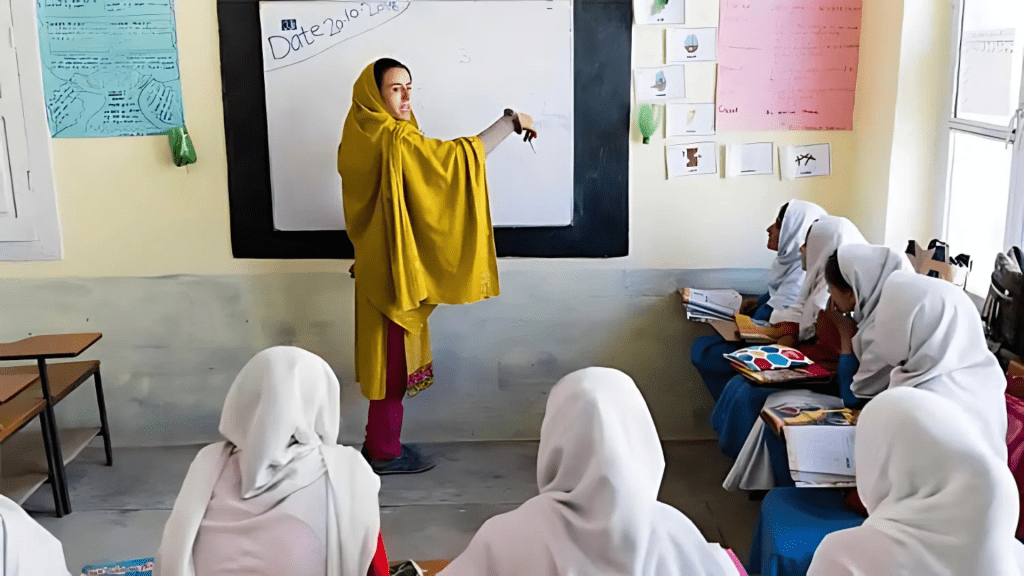

In a historic move to strengthen safety in schools, colleges, and universities, the Punjab government has successfully integrate with 30000 public and private educational Institutes with the provincial Safe City Project. This initiative establishes a state-of-the-art Virtual Centre for Educational Security, allowing real time monitoring and rapid emergency response across all participating campuses.
The integration is designed to provide students, teachers, and staff with a secure and technologically advanced environment. The newly launched educational security network represents one of the most comprehensive systems in the region, covering urban and rural areas.
It mandates staff registration and utilizes the dedicated Public Safety App, which ensures interactive communication between institutions and authorities. Millions of students are expected to benefit from this system, which provides both proactive alerts and instant emergency responses.
A Three-Tiered Digital Security Shield
The integrated system is built on multiple layers of technology combined with human oversight to ensure maximum protection. The first layer, mandatory digital reporting, requires representatives from every registered institution to update their security status three times daily. This constant flow of information allows the centralized command center to assess safety conditions throughout Punjab efficiently and accurately.
The second layer, massive network registration, has already recorded more than 30000 educational institutions and over 130,000 teachers and security personnel. The installation of the Public Safety App is compulsory for all staff members, creating a wide reaching network of trained individuals capable of sending alerts and receiving instructions. This large scale registration strengthens the overall security framework by connecting every institution to the central system.
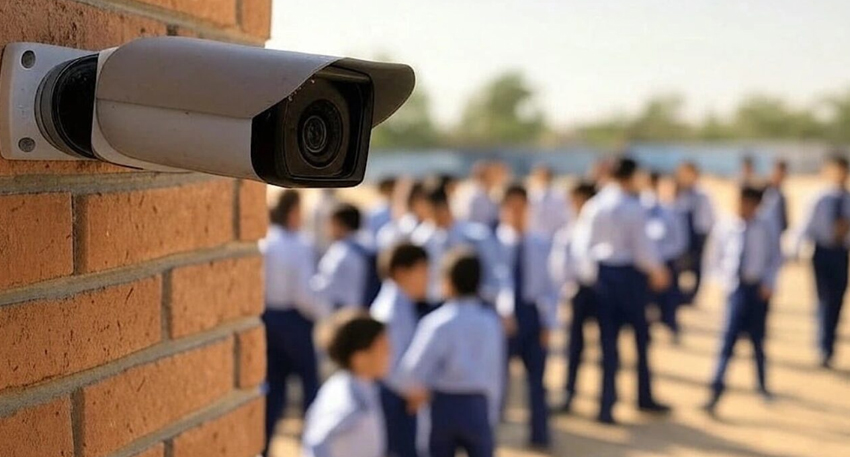
The third layer focuses on infrastructure integration linking existing CCTV cameras on campuses to the Safe City Authority monitoring network. Simultaneously the project is completing the installation of panic buttons in institutions which will provide direct tactile emergency alerts. The combination of digital reporting, mass registration and physical monitoring ensures robust and multi-dimensional security shield.
Proactive Alerts and Investigative Support
A key feature of Punjab Safe City integration is its automated alert system, which sends immediate notifications to law enforcement during emergencies. The Virtual Centre enhances proactive security while supporting investigations through CCTV footage and digital logs creating a powerful forensic tool. Security officials can monitor risks, provide strategic guidance, and customize emergency protocols for each institution, ensuring campuses are prepared for various potential threats.
- Customized emergency protocols improve preparedness for all campuses
- Automated alerts connect schools with police and emergency units instantly
- Virtual Centre supports both preventive measures and post-incident investigations
- CCTV footage and digital logs aid forensic analysis
- Risk monitoring and strategic guidance for individual institutions
Addressing a Critical Need
The integration comes at a time when securing educational environments is a global priority, as schools are often considered vulnerable targets. Punjab Safe City framework, initially focused on metropolitan areas such as Lahore is now extending high-tech protection to schools in rural districts as well. This expansion ensures that students across the province can learn in safe and technologically secure environment.
Parents and guardians have long advocated for increased safety measures in schools and colleges, particularly regarding emergencies and crime prevention. The Safe City integration provides a technology driven solution that addresses these concerns effectively. By combining digital monitoring with real-time alerts, the initiative fosters a sense of security among students, staff and families alike.
The proactive nature of this system also helps reduce anxiety among parents and teachers, knowing that a centralized command center is constantly monitoring safety conditions. By prioritizing student security, Punjab is setting a strong example for other regions in Pakistan and beyond. This initiative highlights the government’s commitment to education as a safe and protected space for all children.
Implementation and Future Outlook
The Punjab Safe City Project rollout follows a phased approach, starting with institution registration and app deployment, ongoing CCTV integration, and upcoming panic button installation. Challenges include ensuring daily compliance, maintaining technology, and staff training, but rapid app adoption shows strong engagement.
Success relies on collaboration between schools, the Safe City Authority, and police, with drills identifying gaps and refining protocols. The system will evolve with technology, regularly evaluating alerts, app performance, and coordination to maintain high safety standards.
- Continuous upgrades ensure robust, high-standard security
- Phased rollout: registration, app deployment, CCTV integration, panic buttons
- Challenges: compliance, tech maintenance, staff training
- Collaboration: schools, Safe City Authority local police
- Drills and tests identify gaps and improve protocols
Parhlo Pakistan: Your Trusted Source for Education and News
For students, teachers, and parents seeking up-to-date information about educational initiatives in Pakistan, Parhlo Pakistan offers reliable and insightful coverage. The website provides detailed news articles, analysis, and resources related to school and college developments, including government safety measures. By staying informed through Parhlo Pakistan, readers can track important changes that impact educational institutions across the country.
A Model for Other Regions
The Punjab Safe City Project initially developed to secure metropolitan areas, now demonstrates its adaptability for educational purposes. Other provinces in Pakistan and neighboring countries with similar infrastructure may consider replicating this model for institutional safety. By showing the scalability of technology driven security Punjab has created blueprint for comprehensive protection in education sector.
The Virtual Centre dedicated to schools and colleges sets a new standard for proactive, intelligence-led security strategies. Real time monitoring, automated alerts, and forensic support offer unmatched protection to students and staff. The success of this initiative could inspire other regions to adopt similar technology-driven approaches, strengthening educational safety on a broader scale.
Punjab approach also highlights the value of integrating human oversight with advanced technology to create a holistic security framework. The collaboration between teachers, administrative staff, and law enforcement ensures that safety measures are practical and effective. By prioritizing education security in this manner, Punjab demonstrates how innovation and governance can work together for public benefit.
The province has taken a proactive stance, ensuring that security is no longer reactive but anticipatory and preventative. The comprehensive monitoring system encourages institutions to maintain high safety standards continuously. With its combination of digital technology, infrastructure integration, and staff training, Punjab educational security network represents a transformative step in protecting students and educational environments.
Conclusion
In conclusion, the integration of over 30,000 educational institutions into Punjab’s Safe City Project reflects the government’s unwavering commitment to student safety. The project’s three-tiered system, combining digital reporting, mass registration, and infrastructure integration, provides a robust shield for schools, colleges, and universities. As Punjab sets a benchmark for educational security, the initiative promises safer learning spaces and a brighter, more secure future for students across the province.