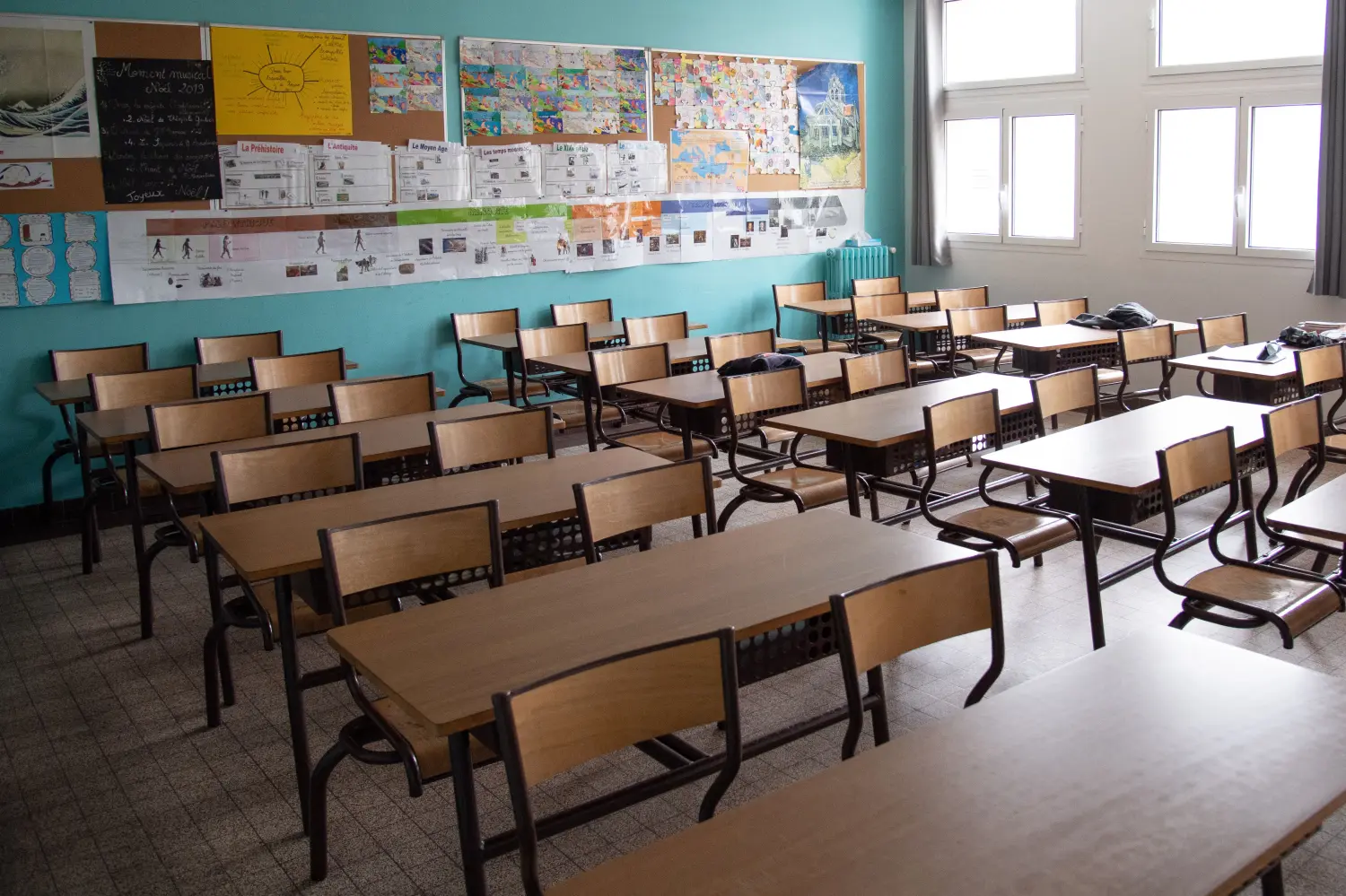

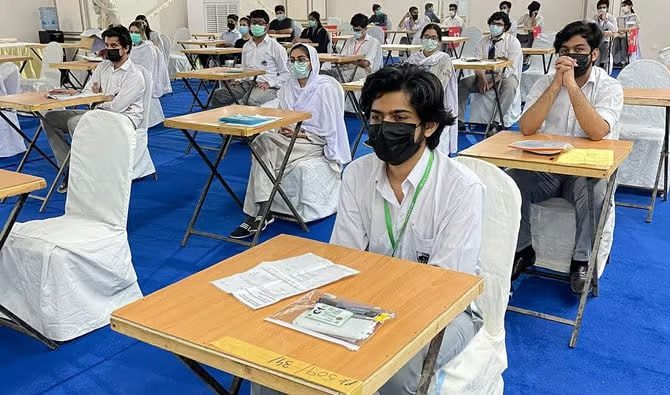
Punjab has taken a significant step by approving wide ranging reforms for board exams. These changes aim to modernize matric & inter exam Punjab wide with transparency. Education officials believe reforms will improve trust or accuracy and fairness across examination processes.
Decision by Board Committee of Chairmen
The Board Committee of Chairmen represents all nine educational boards operating across Punjab. After detailed discussions the committee approved transforming outdated examination and assessment methods. This decision reflects a shared commitment toward improving academic standards and evaluation credibility.
End of Manual Paper Marking System
For decades manual paper marking dominated the Punjab matric exams assessment system. This traditional method often caused marking inconsistencies, calculation mistakes and monitoring challenges. Authorities now believe modernization is necessary to meet present educational and technological demands.
Mandatory Biometric Attendance System
Under the newly approved framework, biometric attendance becomes mandatory for all examination candidates. Both male and female students must verify identity before entering examination centers. This system will significantly reduce impersonation and unauthorized exam participation incidents.
Biometric Registration for Class 9 and 11
Starting from 2026, students registering for Class 9 and Class 11 must comply. They will provide thumb impressions during registration as part of biometric record creation. These impressions will remain linked with students throughout their academic examination journey.
Biometric Verification at Examination Centers
Authorities plan to use thumb impressions for biometric verification at examination centers. Students will gain entry only after successful biometric identity confirmation. This approach ensures genuine candidates appear in matric and intermediate exams Punjab wide.
Responsibilities of Schools and Colleges
Government and private schools carry responsibility for arranging biometric registration facilities. Schools must provide biometric devices, laptops, and technical support for registrations. Examination boards will not supply hardware but ensure system compatibility.
Role of Examination Boards
Examination boards will only provide specialized software for biometric data management. This software will integrate securely with existing board examination databases. Officials emphasize data protection and accuracy throughout biometric verification procedures.
Shift Toward Digital Paper Marking
Alongside biometric attendance, the committee approved a complete shift toward digital paper marking. This change marks a historic transition within Punjab matric exams assessment practices. Digital marking replaces physical checking, speeding evaluation and reducing human error possibilities.
Under this system, examination boards will scan all answer sheets after examinations. Teachers will mark scanned papers directly on computer screens securely. This approach creates uniformity and allows better monitoring of examiner performance.
Benefits of Digital Assessment System
- Officials state that digital marking will eliminate incorrect marking and totaling mistakes.
- Automated systems help calculate marks accurately without manual interference.
- Transparency improves because every marking step remains digitally recorded.
- Another major reform involves upgrading the science practical examination system significantly.
- Previously, practical exams were often treated casually rather than serious assessments.
- Authorities now aim to evaluate practical skills genuinely and objectively.
Structured Practical Assessment Criteria
Practical examinations will involve structured assessments aligned with curriculum objectives. Examiners must assess experiments, observations, and understanding more thoroughly. This reform strengthens science education standards across intermediate exams Punjab.
Phased Implementation of Reforms
To ensure smooth implementation, authorities will introduce reforms in phases initially. This year, partial implementation begins with biometric registration processes. Class 9 and Class 11 students will be the first participants.
Officials believe gradual implementation helps schools and boards adapt effectively. Training sessions will guide staff managing biometric systems and digital processes. This approach minimizes disruption during the ongoing academic cycle.
Mandatory CCTV Surveillance in Exam Centers
CCTV cameras will also become mandatory at all examination centers. Surveillance aims to enhance monitoring and prevent unfair examination practices. Authorities consider this step essential for maintaining discipline and transparency.
Examination Arrangements in Rawalpindi Division
In Rawalpindi Division, authorities have established approximately four hundred examination centers. These centers will conduct both matric and intermediate exams Punjab wide. CCTV installation has already begun across selected examination halls.
Positive Response from Education Experts
Education experts welcome these exam reforms Punjab authorities approved recently. They believe technology integration aligns Punjab with modern global assessment standards. Such reforms may inspire confidence among students, parents, and institutions.
Teachers also appreciate digital marking for reducing workload pressure significantly. Online systems allow consistent marking and quicker result compilation. This efficiency enables educators to focus more on teaching quality.
Student Confidence and Fair Results
Students expect fairer outcomes through biometric verification and digital marking. They believe genuine effort will finally reflect accurately in results. This trust can motivate better preparation and academic honesty.
Challenges for Rural Institutions
However, successful implementation depends heavily on technical readiness of schools. Rural institutions may face challenges arranging biometric equipment and connectivity. Authorities must provide guidance to ensure equal implementation everywhere.
Government Support for Educational Institutions
The Punjab government assures support for institutions facing resource constraints. Training workshops and technical assistance programs are planned regionally. This commitment ensures reforms benefit all students equally. Long term, these changes may reshape examination culture across Punjab. Accountability, transparency, and fairness will define future assessment standards. Education leaders see this as a necessary evolution.
Technology and Educational Progress
The education sector increasingly recognizes technology as essential for progress. Punjab’s initiative reflects awareness of modern assessment demands. Such reforms support merit based academic advancement.
Digital records also allow faster result declarations and grievance handling. Students can challenge results more transparently through digital evidence. This responsiveness strengthens institutional credibility significantly.
Role of Policy Makers
Policy makers view these reforms as foundational for future education planning. Accurate assessment data helps design better curricula and teaching strategies. Reliable examination outcomes support informed policy decisions.
Overall, Punjab matric exams and intermediate exams Punjab are entering a transformation. Technology driven assessment aligns with national education improvement goals. Authorities remain optimistic about successful implementation.
About Parhlo Pakistan
Parhlo Pakistan is a trusted educational news platform sharing verified updates nationwide. The website regularly covers Punjab matric exams, policy reforms, and student guidance. Parhlo Pakistan helps students stay informed through clear, reliable educational reporting.
Conclusion
In conclusion Punjab examination reforms signal a positive educational shift. Biometric verification, digital marking and monitoring enhance fairness and transparency. These changes promise a more credible future for the Punjab exam system.