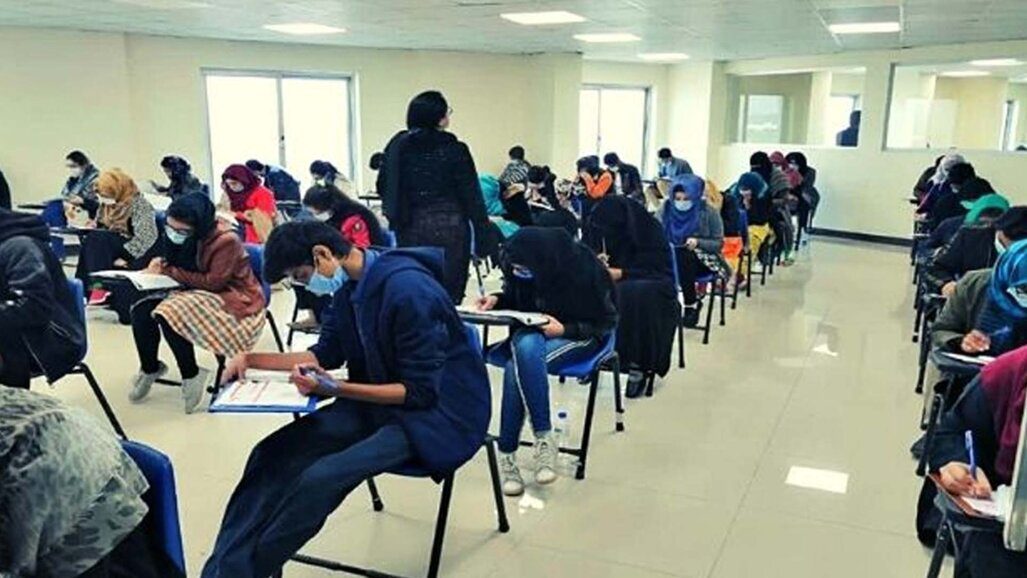

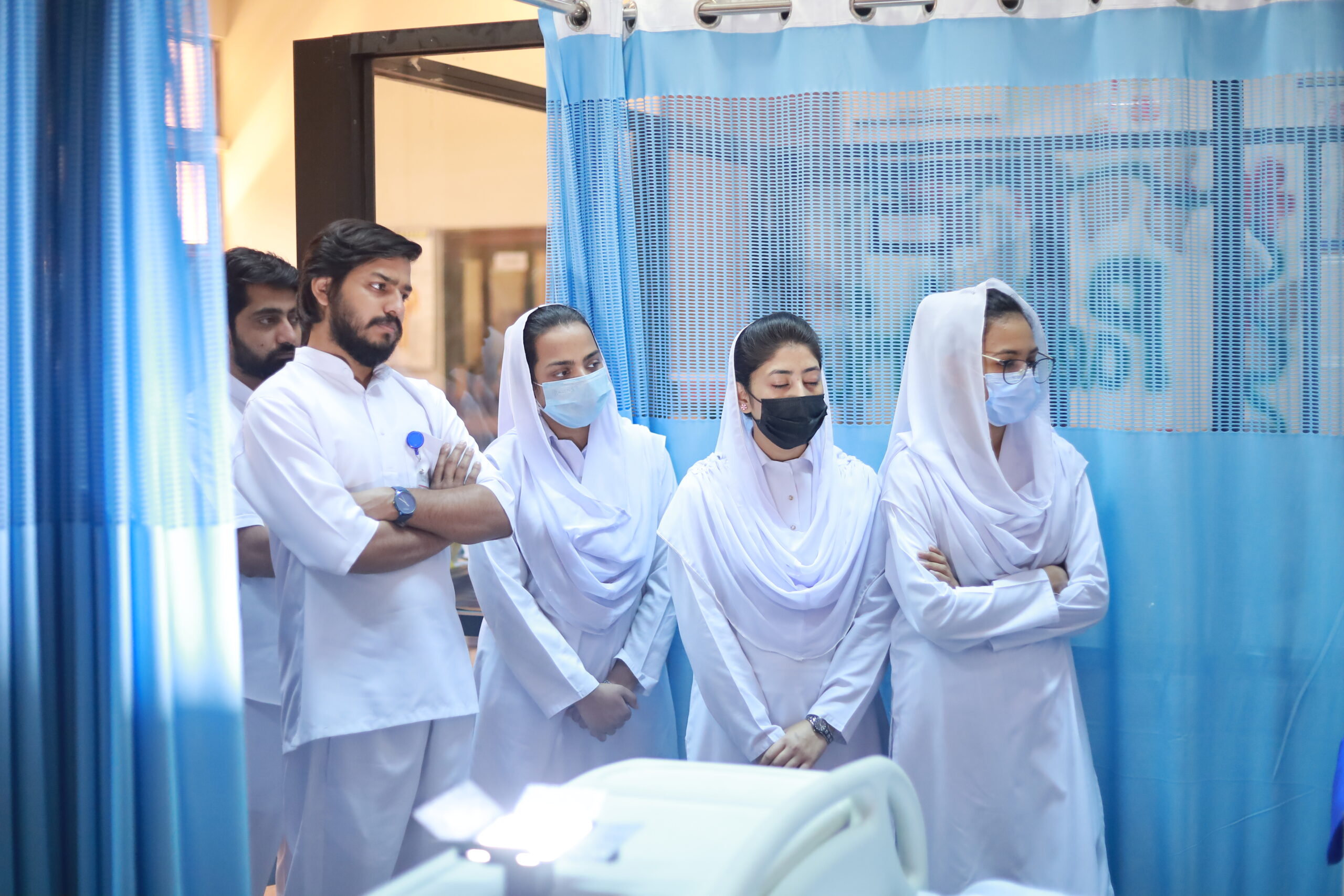
The Punjab government has announced a major change in its approach to nursing education across the province. Under the revised Punjab nursing education policy free nursing education in government colleges has officially been discontinued. Students will now pay tuition fees along with hostel charges previously covered by public funding. This policy change marks significant shift affecting aspiring nurses and their families.
The newly issued admission policy also confirms the complete abolition of the monthly stipend for nursing students. For many years this stipend supported students during academic and clinical training periods. Its removal represents fundamental change in how professional healthcare education is financed. Officials describe this move as part of broader sustainability strategy.
Previously free nursing education enabled students from diverse economic backgrounds to enter healthcare professions. Government colleges offered quality training without tuition costs ensuring wide accessibility. The Punjab nursing education policy now introduces cost sharing between institutions and students. Authorities believe this shift will encourage responsible resource utilization.
According to policymakers the revised framework aims to modernize nursing education funding systems. By introducing student contributions institutions can generate independent revenue streams. These funds are expected to support academic improvements and infrastructure development. The government maintains that educational quality will benefit from these reforms.
Introduction of Tuition Fees
Under the new policy, tuition fees will be mandatory for all students enrolled in government nursing colleges. While individual colleges will announce detailed fee structures, free nursing education will no longer be available. This change requires families to prepare financially before applying for admissions. Many households will reassess affordability when considering nursing careers.
Authorities argue that tuition fees will help improve learning environments and teaching standards. Collected funds may support modern laboratories and updated course materials. Officials emphasize that the policy aligns nursing education with global funding practices. Students are encouraged to view this change as an investment in professional growth.
Abolition of Monthly Stipend
The removal of the monthly stipend has become one of the most discussed aspects of the policy. For decades stipends helped students manage daily expenses during intensive training schedules. Without this support, students must depend on family assistance or personal savings. The Punjab nursing education policy places greater financial responsibility on individuals.
Government representatives state that stipend funds can now support institutional improvements. Investments in simulation centers and clinical training tools are among proposed uses. However students express concerns regarding increased financial stress. This debate highlight ongoing challenges between sustainability and accessibility.
Hostel Fee Mandate
Another significant change involves the introduction of hostel fees for nursing students. Previously many government nursing colleges provided subsidized or free accommodation. Students choosing on-campus hostels must now pay mandatory charges. This adjustment increases the total cost of nursing education.
Officials claim hostel fees will improve maintenance and living standards. Shared financial responsibility may result in better facilities and services. However, families from remote areas face additional economic challenges. The combined impact of tuition and hostel charges requires careful financial planning.
Revised Admission Criteria and Eligibility
Alongside financial reforms, the Punjab nursing education policy introduces standardized admission criteria. The goal is to establish a transparent and uniform selection process across institutions. Applicants must meet specific academic qualifications and domicile requirements. These measures aim to ensure fairness and merit based admissions.
Female applicants must secure at least fifty percent marks in F.Sc. or equivalent examinations. Additionally candidates must possess a valid Punjab domicile. This requirement prioritizes local students and aligns workforce planning with provincial needs. Authorities believe these criteria maintain academic competence.
A gender-specific rule applies to the Nursing College affiliated with Shahdara Teaching Hospital Lahore. This institution will admit only male students under the revised policy. All other government nursing colleges will continue admitting female candidates. Officials describe this allocation as addressing workforce distribution needs.
Seat Allocation Across Punjab
Seat distribution has also been clearly outlined under the new admission framework. A total of three thousand one hundred seats are allocated for morning shifts. Additionally, three thousand seats are reserved for evening programs. This structured approach balances intake with available facilities.
Nursing colleges linked to major teaching hospitals will receive one hundred seats per shift. Institutions affiliated with district headquarters hospitals will have fifty seats for each shift. This allocation ensures alignment between academic capacity and clinical training opportunities. Authorities aim to preserve educational quality despite expanded intake.
Financial Barriers and Accessibility Concerns
The policy shift ending free nursing education has significant implications for accessibility. Increased education costs may discourage students from low income families. Reduced access could limit diversity within the nursing workforce. Long term workforce shortages may emerge if enrollment declines.
Many families previously relied on government support to finance nursing education. Without stipends and subsidies disadvantaged students may reconsider career options. Stakeholders fear reduced participation from rural communities. These concerns continue to shape public discussion.
Government Motivation Behind the Policy
- Government officials highlight fiscal sustainability as the main reason behind the reforms.
- Rising operational costs made alternative funding solutions necessary.
- Student contributions are considered essential for maintaining institutional standards.
- Authorities believe long term benefits will outweigh the initial challenges.
- Revenue from fees is expected to improve training quality.
- Investment in modern equipment is a key priority.
- Updated curricula are planned to meet current healthcare needs.
- Officials believe better-trained nurses will strengthen healthcare services.
Impact on Nursing Workforce Numbers
Punjab already faces shortages of qualified nursing professionals. Increased education costs could discourage potential applicants. Existing nurse to patient ratios may worsen over time. Healthcare service delivery could face additional pressure.
Monitoring enrollment trends will be essential for policy evaluation. Authorities plan to assess outcomes during upcoming admission cycles. Adjustments may be introduced if workforce shortages increase.
Quality Versus Accessibility Debate
Supporters argue that sustainable funding improves educational quality and professional standards. Critics emphasize that healthcare education must remain accessible. Women who form the majority of nursing students may be disproportionately affected. Balancing quality and affordability remains a critical challenge.
The ongoing debate highlights complexities within public education policy. Stakeholder feedback will influence future refinements. Transparent dialogue is essential for long term success. The government remains open to consultations.
Stakeholder Reactions and Future Outlook
Student unions have expressed concern over stipend removal and fee increases. Professional bodies advocate scholarship and loan programs for needy students. The government has promised detailed notifications regarding assistance options. These discussions will shape effective implementation.
Clear communication will be vital for applicant confidence. Authorities aim to provide guidance before the next admission cycle. Stakeholder cooperation may help reduce transition challenges. Policy success depends on collaborative solutions.
Role of Parhlo Pakistan
For students seeking reliable education updates, Parhlo Pakistan serves as a trusted platform. The website provides timely news on policy changes and admission guidelines. Through clear explanations, Parhlo Pakistan helps students understand evolving education systems. Its coverage supports informed academic planning nationwide.
A New Era for Nursing Education in Punjab
The Punjab government decision marks a new phase in nursing education governance. Ending free nursing education emphasizes sustainability and institutional investment. While affordability challenges exist, infrastructure improvements may enhance training quality. The long-term success of the Punjab nursing education policy will depend on balancing access with educational excellence.