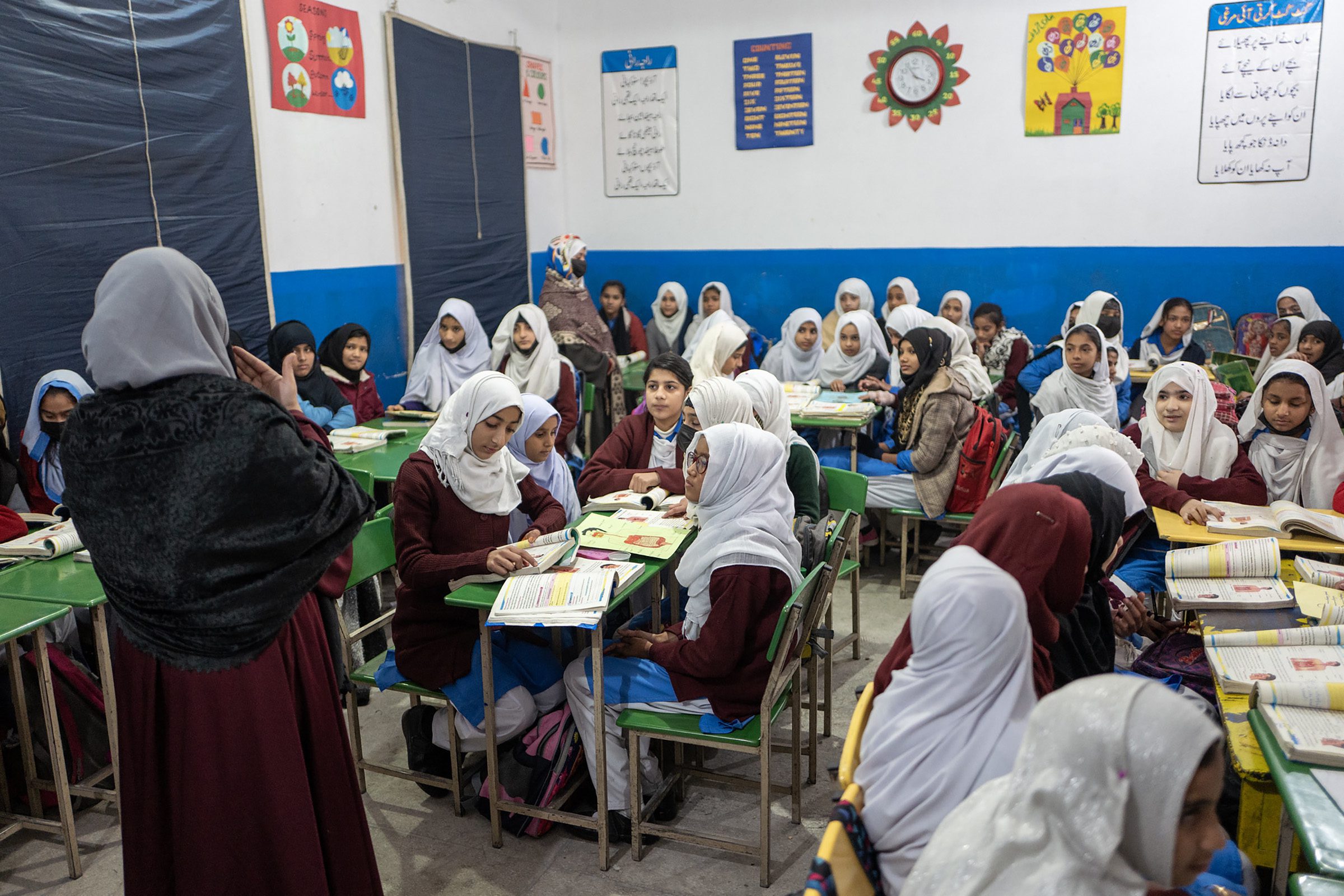


A historic education reform that promises long term relief for private schools has been approved by the Punjab government. This choice demonstrates a progressive outlook that prioritizes cutting back on pointless paperwork and promoting long term educational development. By extend private school registration validity to five years authorities aim to strengthen institutional stability.
The reform highlights the Punjab government’s commitment to practical education governance and positive sector development. This major policy shift is designed to benefit thousands of private educational institutions across Punjab province.
Previously, schools faced constant uncertainty due to annual renewal requirements imposed by regulatory authorities. The new framework provides operational security and encourages thoughtful academic planning over multiple years. Education stakeholders widely view this Punjab government education reform as timely and forward looking.
Ending the Cycle of Annual Registration Pressure
For many years, private schools in Punjab were required to renew registration every single year. This system placed an administrative burden on school owners, administrators, and teaching staff alike. Each renewal demanded extensive documentation, repeated verifications, and frequent departmental visits.
Such requirements often disrupted academic schedules and drained valuable institutional resources. School administrators frequently described the annual registration process as costly and time consuming. Financial resources were diverted toward compliance instead of improving classroom facilities or teacher training programs.
The uncertainty associated with yearly approvals also discouraged long term educational investments. These challenges highlighted the urgent need for structural reform in private school registration policies. Under the newly approved education reform, private school registration validity will now extend to five years.
This significant change reduces repetitive administrative cycles and ensures smoother institutional operations. Officials confirm that the five year period aligns better with academic planning and development needs. The Punjab government education reform thus replaces short term compliance with long term strategic oversight.
Aligning Regulation with Practical Education Management
Education department officials emphasize that school planning naturally operates across several academic years. Teacher contracts, curriculum development, and infrastructure improvements require consistent regulatory assurance. Annual registration created instability that conflicted with realistic education management timelines. The five year registration model corrects this mismatch effectively and responsibly.
A senior policymaker involved in the reform explained the rationale behind the decision clearly. According to officials, regulatory oversight should support growth rather than create recurring administrative obstacles. Extending private school registration allows authorities to focus on quality assurance instead of repetitive paperwork. This balanced approach benefits both government departments and educational institutions.
By adopting a longer registration cycle, the Punjab government signals trust in regulated private schools. Schools demonstrating compliance will enjoy uninterrupted academic operations for five consecutive years. However, regulatory agencies are still able to step in if there are major infractions. Accountability is strengthened without needless intervention thanks to this adaptable yet firm approach.
Streamlining Board Affiliation and Academic Coordination
The registration extension is expected to positively influence board affiliation procedures across Punjab. Stable registration certificates simplify affiliation with secondary and higher secondary education boards. Schools can plan examination arrangements without fearing sudden administrative disruptions. This improvement enhances academic continuity for students preparing for critical assessments.
Improved coordination between private schools and education boards supports smoother academic workflows. With fewer registration renewals, institutions can maintain uninterrupted affiliations and examination schedules. This stability benefits students, teachers, and parents equally throughout academic cycles. The Punjab government education reform thus strengthens the entire educational ecosystem.
Authorities also expect the policy to enhance institutional communication and regulatory transparency. Reduced paperwork allows education officers to engage more meaningfully with school administrators. Dialogue can shift from compliance discussions to quality improvement strategies. Such engagement fosters mutual understanding and shared educational objectives across districts.
Including Private Sector Voices in District Committees
Another important element of the reform is the inclusion of private school representatives. Each district registration committee will now include a representative from the private education sector. This structural change promotes stakeholder participation in regulatory decision making. It ensures that practical challenges faced by schools receive due consideration.
Officials describe this step as a move toward collaborative education governance. By involving private school voices, the government encourages constructive dialogue and policy responsiveness. Local issues can be addressed more effectively through direct representation. This inclusive approach strengthens trust between regulators and private institutions.
The presence of private sector representatives also improves transparency during registration evaluations. Decisions can reflect on ground realities rather than purely administrative interpretations. This reduces misunderstandings and promotes fairness across districts. Such cooperation represents a progressive shift in Punjab’s education administration framework.
Formal Approval and Province Wide Implementation
The School Education Department is currently preparing a formal policy summary. This document outlines legal adjustments and operational mechanisms for five year private school registration. Once finalized it will be presented to Chief Minister Maryam Nawaz Sharif. Her approval will mark the final step before official implementation.
After endorsement, notifications will be issued across all thirty six districts of Punjab. The policy will then apply uniformly to private schools throughout the province. Education authorities are preparing district offices for smooth policy rollout. This coordinated approach ensures consistency and administrative readiness.
Private school associations have welcomed this development with optimism. For years, they highlighted inefficiencies caused by annual registration cycles. Their concerns included repeated documentation costs and lost academic oversight time. The Punjab government education reform directly addresses these longstanding challenges.
Stability and Confidence for Education Investors
Education analysts believe the reform will enhance operational stability across the private education sector. With five year registration assurance, school owners can plan confidently for the future. Long term investments in teacher development and infrastructure become more feasible. Stability encourages responsible growth and improved institutional standards.
Financial planning also benefits from predictable regulatory timelines. Schools can allocate budgets toward educational quality instead of repeated compliance expenses. Reduced uncertainty supports sustainable management practices. This environment attracts serious education investors committed to long term excellence.
Confidence among education entrepreneurs is expected to rise significantly. A predictable regulatory framework lowers entry barriers for new institutions. Existing schools may expand facilities or introduce advanced learning technologies. Overall, the reform supports healthy competition and sector wide improvement.
Refocusing on Educational Quality and Student Welfare
Reducing administrative pressure allows schools to concentrate on their core mission. Teachers and administrators can dedicate more time to instructional improvement initiatives. Curriculum innovation and student centered learning approaches become achievable priorities. This shift enhances overall educational outcomes across private institutions.
Freed resources can support teacher training programs and classroom modernization efforts. Schools can invest in digital learning tools and student welfare services. Such improvements directly impact learning quality and academic achievement. The Punjab government education reform therefore benefits students most significantly.
Quality assurance remains a central regulatory objective under the new system. Authorities retain monitoring powers to ensure compliance with education standards. However, oversight becomes more meaningful and less disruptive. This balanced model encourages continuous improvement rather than reactive compliance.
Reducing Corruption Risks Through Simplified Processes
Another important benefit of extended registration cycles is reduced corruption risk. Frequent renewals increased contact points between schools and officials. Simplifying the process minimizes opportunities for unnecessary delays or rent seeking. Transparency improves when procedures are clear and infrequent.
A streamlined registration framework promotes fairness across all institutions. Schools are evaluated on merit rather than administrative endurance. This cleaner regulatory environment builds trust within the education sector. Such trust is essential for long term governance effectiveness.
Education policy experts view this reform as an anti corruption measure. Fewer transactions reduce system vulnerabilities significantly. Combined with stakeholder participation, oversight becomes more credible. The Punjab government education reform thus strengthens institutional integrity.
Part of a Broader Vision for Education Reform
- Supports Punjab’s education modernization goals
- Updates governance for modern education needs
- Reduces bureaucracy and administrative pressure
- Encourages innovation and collaboration
- Recognizes private schools as education partners
- Maintains standards without operational hurdles
- Promotes practical and inclusive policymaking
- Improves long term education outcomes
About Parhlo Pakistan
Parhlo Pakistan is a trusted educational platform dedicated to delivering accurate and timely education related updates. The website focuses on policies, examination news, academic resources, and student guidance across Pakistan. Parhlo Pakistan simplifies complex education developments through clear and accessible content. Readers rely on Parhlo Pakistan for credible information supporting informed academic decisions.
Conclusion
As the policy awaits final approval, optimism continues to grow within Punjab’s private education sector. Schools anticipate administrative ease and uninterrupted academic planning. The reform promises a healthier balance between oversight and operational freedom. Its implementation will mark a milestone in provincial education governance.
The five year private school registration policy represents thoughtful reform rooted in practical realities. It prioritizes stability, quality and collaboration across educational stakeholders. By reducing bureaucratic friction Punjab sets a strong example for education reform nationwide. This progressive step supports a more resilient and future ready education ecosystem.