

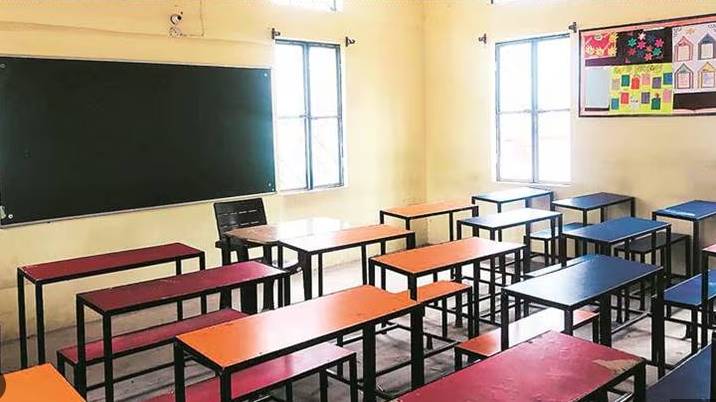
In a major policy proposal for the upcoming academic session, private schools have demanded the abolition of the Saturday holiday to increase instructional days and recover lost learning. This initiative was formally presented by Qazi Naeem Anjum Head of Pak Aiwan-e-Taleem for Private Schools during consultative meeting with school education officials. The proposal emphasizes prioritizing the classroom learning over extended breaks to ensure students achieve comprehensive academic progress each year.
Private Schools Propose Extended Academic Year of 180 Days
At the core of the new policy is extending the academic year to a minimum of 180 teaching days to strengthen student learning. Private school representatives suggested shortening traditional vacation periods which would help maximize the total number of classroom hours annually. Under the plan summer holidays are proposed to be limited to just two months reducing idle learning time significantly for students.
Winter vacation is also proposed to shrink drastically, limited to only ten days in January, according to Anjum’s presentation. By reducing long breaks schools aim to ensure that the curriculum is completed without rushing through important concepts. However the most immediate change for families would be the elimination of the weekend break entirely to achieve this goal effectively.
The demand to abolish the Saturday holiday would make private schools operate on full 6 day a week. Administrators argue that this step is necessary to bridge the gaps caused by unpredicted closures and other disruptions. The extend in academic year coupled with 6 day schedule aims to improve overall student performance and syllabus completion efficiently.
Academic Losses Due to Unpredicted Closures
Advocating for the removal of the Saturday holiday, Anjum highlighted the severe disruption caused during the previous academic session. He revealed that administrative decisions, extreme weather and unannounced holidays limited schools to just 127 active teaching days. This shortfall created a significant pedagogical challenge leaving many students struggling to cover the entire curriculum adequately on time.
The reduced number of teaching days has made it difficult for educators to maintain the quality of instruction for each subject thoroughly. Private schools believe that introducing a 6 day school week will allow teachers to manage the syllabus more effectively. By extending the academic year and reducing breaks institutions aim to compensate for past learning losses without overwhelming students unnecessarily.
Anjum also emphasized that the extended academic year is not merely numbers game but a strategic effort to improve learning outcomes. With additional days for instruction, students can engage more meaningfully in subjects allowing better understanding and retention. Private schools argue that without increasing school days students continue to face gaps in education affecting long term academic performance.
Summer Camps Proposed as an Educational Alternative
- Schools can organize structured summer camps during the long summer holidays.
- Camps offer academic reinforcement allowing students to revisit challenging topics.
- Students can participate in skill building workshops to enhance the practical abilities.
- Co-curricular activities are included to encourage interactive and enjoyable learning.
- Camps provide an optional platform helping reduce learning loss without academic pressure.
- Teachers can use camps to support syllabus completion in relaxed environment.
- The program encourages creativity, teamwork and holistic student development outside regular classes.
Government Response: Proposals Under Consideration
After receiving the demands for abolishing the Saturday holiday and extending the academic year officials from the School Education Department provided an initial response. The department assured private school representatives that their proposals would undergo careful review before any final decision is made. This demonstrates an openness to dialogue between private and public stakeholders on improving the education system strategically.
While no immediate resolution has been announced so the ongoing consultations are expected to explore the both advantages and challenges of the proposed reforms. Officials will likely to weigh the benefits of additional teaching days against the potential stress on students and logistical difficulties for families. The government deliberation indicates that any policy change will aim to balance the educational outcomes with overall student well being effectively.
The upcoming discussions between private schools and education department will focus on smooth implementation of any changes. Experts suggest that careful planning is essential to prevent the unintended consequences such as excessive academic pressure on young learners. With proper execution the proposed reforms could positively reshape the academic calendar and strengthen the education quality across private institutions.
Balancing Education and Student Well being
- Increasing school days helps recover lost academic progress and improve learning standards.
- Maintaining student mental health is essential to prevent burnout from excessive pressure.
- Reducing breaks may limits the time for extracurricular activities and personal relaxation.
- The Optional programs like summer camps can reinforce the learning without overwhelming students.
- A balanced approach ensures the academic rigor with personal growth and well being.
About Parhlo Pakistan
Parhlo Pakistan is a leading platform dedicated to educational news and informative content for students. The website provide a valuable resources on academic trends, school policies and educational updates nationwide. The platform also offer guidance for students, parents and educators those seeking advice on navigating academic challenges. Through comprehensive articles, updates and discussions Parhlo Pakistan ensures that its audience remains informed and prepare for the future educational opportunities.
Potential Impacts of Longer Academic Year
If approved, then the extending academic year and eliminating Saturday holidays could fundamentally change the student routines and institutional operations. Longer teaching periods might improve syllabus completion and academic performance but demanding the greater discipline from both students and staff. The adjustment could require careful scheduling and support systems to maintain the motivation and engagement throughout the year.
Private schools believe that the extended academic calendar will allow the students to gain deeper understanding of their subjects reducing the need for last minute exam preparation. Additional instructional days can provide teachers with flexibility to introduce creative teaching methods and interactive sessions. Overall, longer academic year is expected to enhance the both knowledge retention and practical application for students.
Families may face the logistical challenges such as arranging the transportation or childcare with removal of Saturday holiday. Schools will need to communicate effectively with the parents and ensure the smooth adaptation to new schedule. With proactive planning stakeholders can mitigate potential difficulties while maximizing the educational benefits of longer academic year.
Conclusion: Shaping the Future of Education
The demand by private schools to abolish the Saturday holiday reflects the broader push to enhance the learning outcomes and address the previous academic disruptions. By extending the academic year to 180 teaching days and introducing the supportive initiatives like summer camps schools aim to the ensure syllabus completion and student success. While the proposal requires careful consideration of student well being it represents a proactive effort to strengthen the quality of education nationwide.
The School Education Department upcoming decisions will determine how these reforms shape the academic calendar moving forward. If implemented thoughtfully the elimination of Saturday holiday could offer students more consistent learning opportunities and improved educational standards. Ultimately balancing the academic rigor with personal development will remain the key to achieving sustainable educational excellence.