
A determined MPhil scholar has taken a bold legal step after being denied a prestigious academic honor. The case has drawn attention from students, faculty members, and legal experts across Sindh. This developing dispute highlights serious student challenges university authorities may face regarding fairness and transparency.
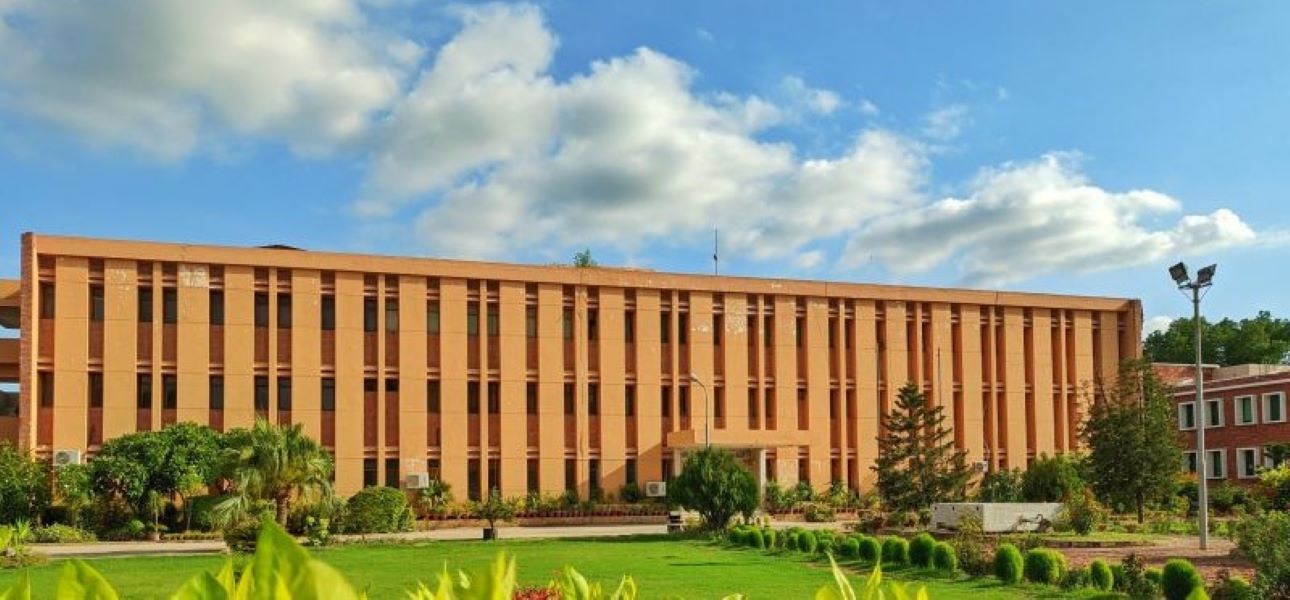
The petitioner filed her case against Sindh Agriculture University before the respected Sindh High Court. The Hyderabad Circuit Bench immediately intervened and issued an important interim order. The court temporarily stopped the university from awarding gold medals in the concerned faculty.
This temporary restriction applies specifically to the Faculty of Animal Husbandry and Veterinary Sciences. The order will remain effective until the next scheduled hearing before the court. Such judicial intervention shows how student challenges university decisions can reach constitutional forums.
Background of the Petitioner Claim
The petitioner, Tamseel Saleem Arain, approached the court through her counsel Muhammad Soulat Rizvi. She claimed that she was unfairly excluded from consideration for the gold medal. According to her plea, the exclusion was based on an alleged delay in completing her degree.
Tamseel Saleem argued that MPhil scholars are allowed four years to complete their program. She emphasized that she completed her academic requirements within the permitted timeframe. Her legal team stated that the university misinterpreted the delay caused by extraordinary circumstances.
Her research journey faced unexpected disruption when she was sent to prison. The judicial remand was connected to a murder case registered on April 15, 2022. The case reportedly originated from a family dispute among elders in Tando Allahyar district.
Tamseel Saleem remained in custody until she was acquitted by the trial court. She was formally cleared of charges on July 11, 2023. After her release, she resumed her academic responsibilities with determination and focus.
Academic Performance and Merit Dispute
Despite the difficult period, she appeared in the MPhil written examination. The examination results were announced on December 21, 2023. She was declared successful and secured the highest marks in her department.
Tamseel Saleem stated that she rightfully expected to receive the gold medal. Her academic performance placed her at the top among her peers. She believed that merit and transparency would ensure recognition of her hard work.
However, during an academic council meeting held on January 28, 2025, three candidates were shortlisted. Her name was not included among those selected for the medals. She maintained that all shortlisted candidates had lower academic scores than hers.
According to the petition, Tamseel Saleem Arain secured 425 marks and an impressive 88.46 percent score. She also achieved an outstanding CGPA of 3.96 in her program. The shortlisted candidates reportedly secured 424, 415, and 381 marks respectively.
These figures suggest a narrow but significant academic difference between the candidates. Tamseel Saleem argued that merit-based evaluation should remain the primary criterion for awarding medals. Such numerical comparisons have intensified the student challenges university administrators must carefully address.
Efforts for Review and Court Intervention
After noticing her exclusion, Arain submitted a formal request for review. She approached the chairman of the academic council seeking reconsideration of the decision. Unfortunately, she claimed that no meaningful action was taken in response.
A personal hearing was eventually conducted on April 10, 2025. During the hearing, she presented her academic record and legal position. However, she stated that the outcome of that hearing was never communicated to her.
Feeling unheard, she decided to seek judicial relief from the Sindh High Court. She requested the court to direct the university to acknowledge her as the top-ranking scholar. She also sought protection from disqualification due to delays caused by judicial remand.
The court responded by issuing notices to all concerned respondents. These include the Sindh government and key officials of the university administration. Notices were also sent to the Higher Education Commission for their response.
Broader Impact on Higher Education
The involvement of multiple authorities demonstrates the seriousness of the matter. It reflects how institutional decisions can have significant consequences for students’ futures. Cases like this often raise broader questions about policy interpretation and fairness.
Gold medals at convocation ceremonies symbolize academic excellence and dedication. For many scholars, such recognition enhances career prospects and professional reputation. Therefore, disputes over merit-based awards can deeply impact student morale and institutional credibility.
This situation illustrates how student challenges university decisions when transparency appears compromised. It also underscores the importance of clear academic policies and fair implementation. Universities must ensure that extraordinary circumstances are evaluated with sensitivity and justice.
Legal experts observe that courts generally respect academic autonomy. However, they may intervene when allegations of discrimination or unfair treatment arise. The current proceedings will likely examine whether rules were applied consistently and fairly.
The case also highlights the resilience of students facing personal and legal hardships. Arain resumed her studies after acquittal and achieved academic distinction. Her determination reflects the spirit of perseverance that education aims to cultivate.
Role of Media and Student Awareness
As the hearing approaches, many observers await the court’s final decision. The outcome may clarify how delays due to judicial remand should be treated. It could also set a precedent for handling similar student challenges university authorities may encounter in the future.
Educational institutions play a crucial role in shaping society’s future leaders. They must uphold transparency, merit, and equal opportunity at every level. Fair recognition of academic achievement strengthens trust between students and administration.
In today’s competitive academic environment, clear communication is essential for avoiding disputes. When concerns arise, timely responses and documented decisions can prevent unnecessary litigation. Strong governance practices protect both student rights and institutional integrity.
About Parhlo Pakistan
Parhlo Pakistan remains committed to bringing authentic educational news and updates to students nationwide. Through detailed reporting and responsible coverage, Parhlo Pakistan informs readers about important developments in universities and courts. Visit to explore reliable academic news, insightful articles, and student-focused updates regularly.
Conclusion
As this case progresses, it continues to highlight significant student challenges university systems must address carefully. The final verdict will not only impact one scholar’s future but also reinforce principles of merit and justice. Ultimately, transparent decisions and lawful processes strengthen confidence in higher education institutions across Pakistan.