
The issue of administrative and financial irregularities at Women University Multan has recently taken a serious turn against Audit Committee. Developments over the past few weeks have attracted attention from academic, legal, and civil society circles. These events have raised critical questions regarding transparency, accountability, and institutional governance standards.
Women University Multan has historically played an important role in promoting female higher education in South Punjab. The institution has contributed significantly toward academic empowerment and social progress. However, recent administrative developments have overshadowed its educational mission and raised governance concerns.
Timing of Administrative Decisions Raises Questions
According to available information, these actions occurred at a particularly sensitive administrative stage. The university was awaiting the expected appointment of a permanent Vice Chancellor. Simultaneously, show-cause notices were issued by the Higher Education Department Punjab and the Commissioner Multan.
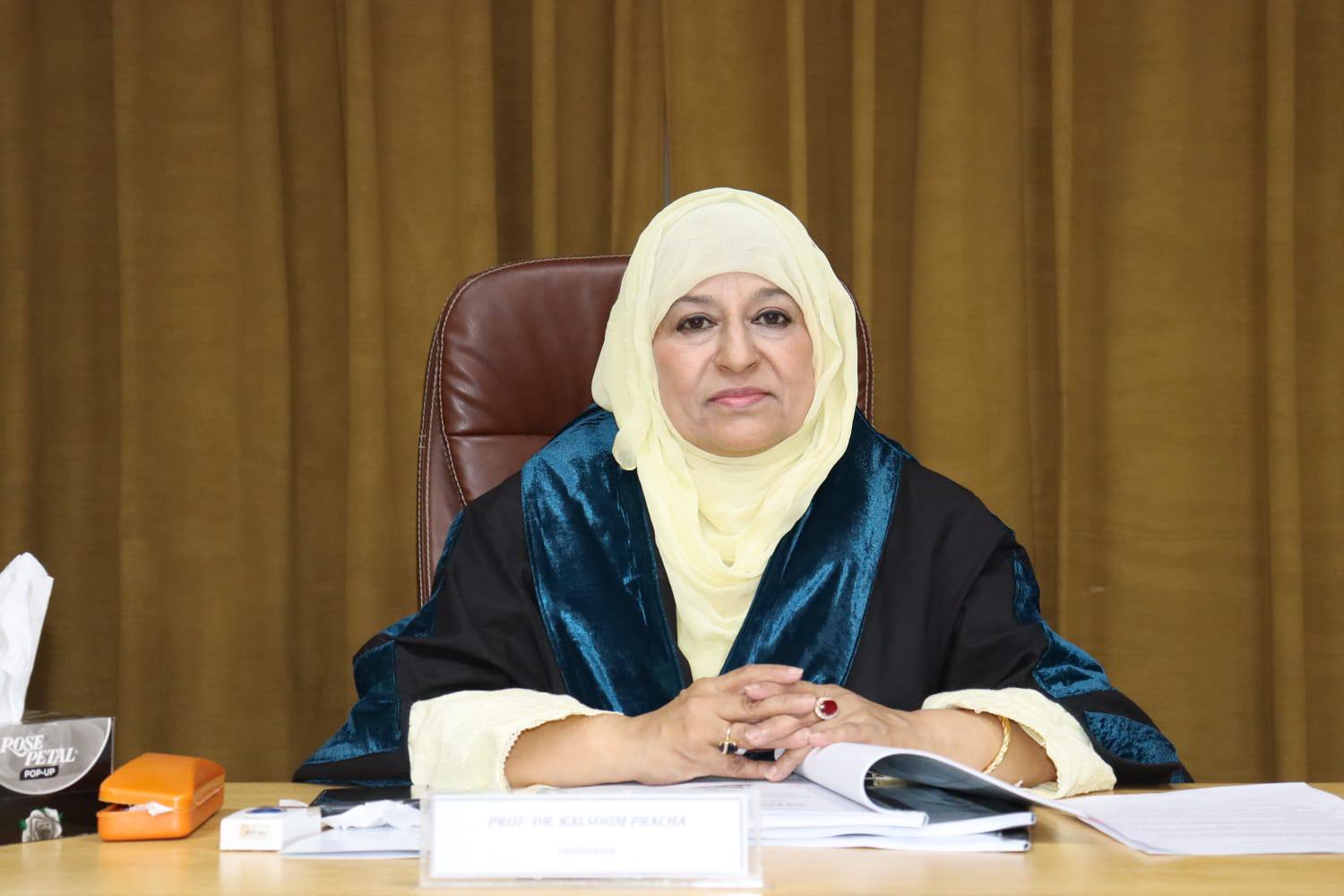
Soon after receiving these notices, Acting Vice Chancellor Dr. Kulsoom Paracha reportedly dissolved the existing Internal Audit Committee. This decision reportedly surprised many stakeholders within the university community. Observers noted the absence of clear administrative justification for such a critical step.
Formation of a New Internal Audit Committee
A new Internal Audit Committee was constituted through an official notification issued in December 2025. The committee reportedly included individuals perceived as personally favored by the acting administration. This raised concerns regarding independence, fairness, and transparency within the audit process.
Sources within academic circles suggest that the decision was not motivated by institutional improvement. Instead, it is widely viewed as an effort to resolve pending audit objections. These include alleged financial irregularities and disputed TA/DA claims.
Ethical Stand of the Previous Audit Committee
The previously constituted audit committee reportedly refused to clear questionable financial matters. Committee members are said to have rejected alleged fake documentation and illegal financial practices. Their stance was reportedly based on professional ethics and moral responsibility.
In one meeting, the former committee reportedly stated they were answerable before Allah. They expressed unwillingness to become part of unlawful or unethical actions. This principled refusal reportedly increased tensions with the university administration.
Dissolution of the Committee and Administrative Notifications
Following this refusal, the entire audit committee was dissolved through a formal notification. The notification also cancelled an earlier administrative order that was already under scrutiny. This sequence of actions further intensified concerns among legal and academic observers.
The administrative handling of these notifications has been widely questioned. Experts argue that dissolving an audit committee without clear reasoning undermines governance credibility. Such actions weaken institutional accountability mechanisms.
Conflict of Interest in the New Audit Structure
The newly formed audit committee appointed Dr. Kulsoom Paracha herself as Convener and Chairperson. Legal experts described this as a clear conflict of interest. Auditing one’s own financial matters violates basic principles of good governance.
Such an arrangement raises serious concerns regarding impartiality and transparency. Observers argue that independent oversight is essential for institutional integrity. Without it, audit processes lose credibility.
Questions Surrounding Committee Members’ Credentials
Several committee members have also drawn attention due to questions surrounding their professional records. One member, Dr. Saadia Musharraf, reportedly joined a postgraduate college alongside Dr. Kulsoom Paracha in 2007. Official documents indicate discrepancies in employment history claims.
Salary records from that period further highlight inconsistencies noted by observers. Dr. Saadia Musharraf reportedly earned a lower monthly salary. Meanwhile, Dr. Kulsoom Paracha received a slightly higher amount during the same timeframe.
Concerns Regarding Academic Qualifications
Another committee member, Ishrat Riaz, reportedly has not completed a PhD. University records allegedly lack any formal PhD notification under her name. Despite this, she has reportedly been presented as “Doctor” in official documents.
Additional members include Dr. Madiha Akram and Dr. Deeba Shehwar, both assistant professors. According to internal sources, their role within the audit committee appears limited. Their participation is reportedly confined to signing documents.
Appointment of a Close Relative Raises Alarm
The most concerning appointment is that of Rizwan Ahmed as Member and Secretary of the Audit Committee. Verified information suggests he is closely related to Dr. Kulsoom Paracha. This relationship has significantly intensified concerns regarding impartiality.
Observers believe this appointment allows influence over sensitive audit matters. These reportedly include large monthly TA/DA claims and unresolved corruption allegations. The timing of this decision has further raised suspicions.
Strategic Timing and Administrative Intentions
Academic and civil society circles view these developments as strategically timed. The reconstitution occurred immediately after show-cause notices were issued. It also preceded the anticipated appointment of a permanent Vice Chancellor.
Many believe this strategy aims to present cleared records to the incoming administration. Such actions, critics argue, undermine long-term institutional credibility. They also weaken trust in internal accountability processes.
Silence of Higher Education Authorities
The silence of senior officials within the Higher Education Department Punjab has further complicated the issue. Observers question the absence of visible administrative response. This silence has been described as deeply concerning by educational experts.
Reports also suggest attempts to manage public perception through media engagement. However, analysts emphasize that governance must rely on law and accountability. Personal influence cannot replace institutional responsibility.
Impact on Pakistan’s Higher Education Standards
- Chief Minister Punjab Maryam Nawaz Sharif is widely recognized for her strong stance against corruption.
- Her leadership is associated with transparency and accountability in governance.
- Continued administrative silence appears inconsistent with the province’s stated priorities.
- The issue highlights broader systemic challenges in Pakistan’s higher education sector.
- Weak oversight enables ongoing governance failures.
- These failures contribute to declining academic standards across the country.
Call for Structural Reforms in Education Governance
Educational circles strongly advocate structural reforms within the Higher Education Department Punjab. They emphasize merit-based appointments instead of deputation systems. Such reforms are considered essential for long-term academic improvement.
Observers argue that competent leadership is key to restoring institutional trust. Without reforms, universities risk continued decline. Accountability must remain central to educational governance.
Role of Parhlo Pakistan in Highlighting Educational Issues
At Parhlo Pakistan, we aim to highlight critical educational and governance issues responsibly. Our platform, focuses on informed reporting and public awareness. We believe transparent discussion contributes positively to institutional accountability and reform.
Conclusion: The Way Forward for Women University Multan
In conclusion, the situation at Women University Multan highlights urgent governance concerns requiring serious attention. Transparency, independence, and accountability must guide all institutional decisions. Only principled leadership can restore trust and uphold academic excellence.