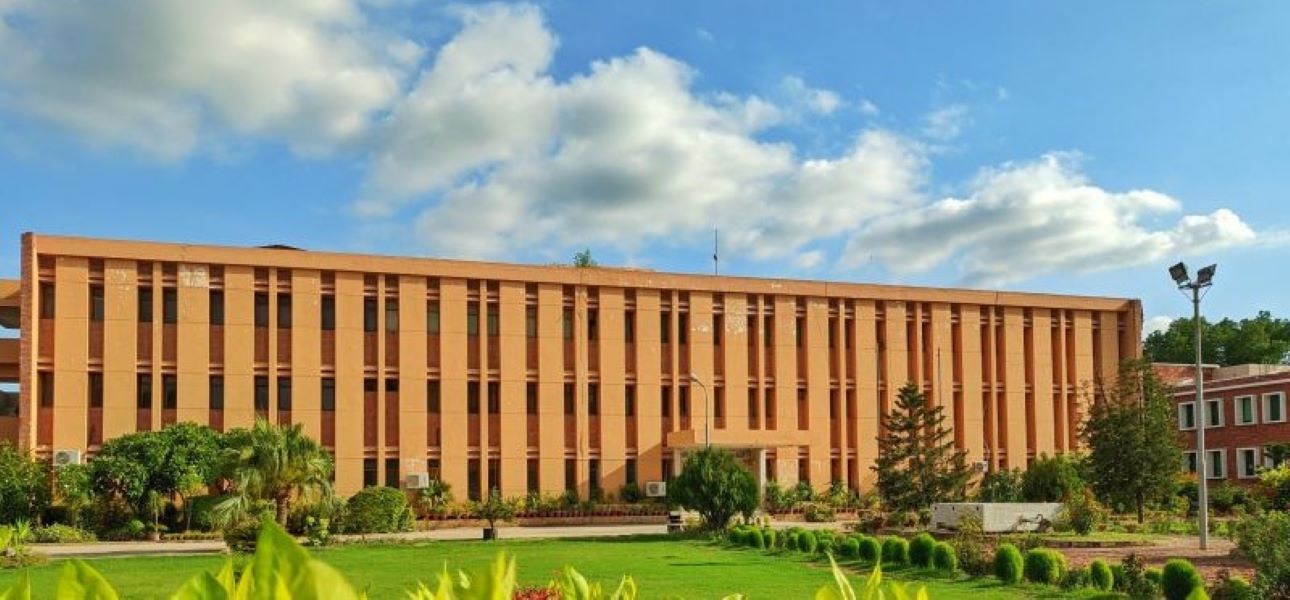

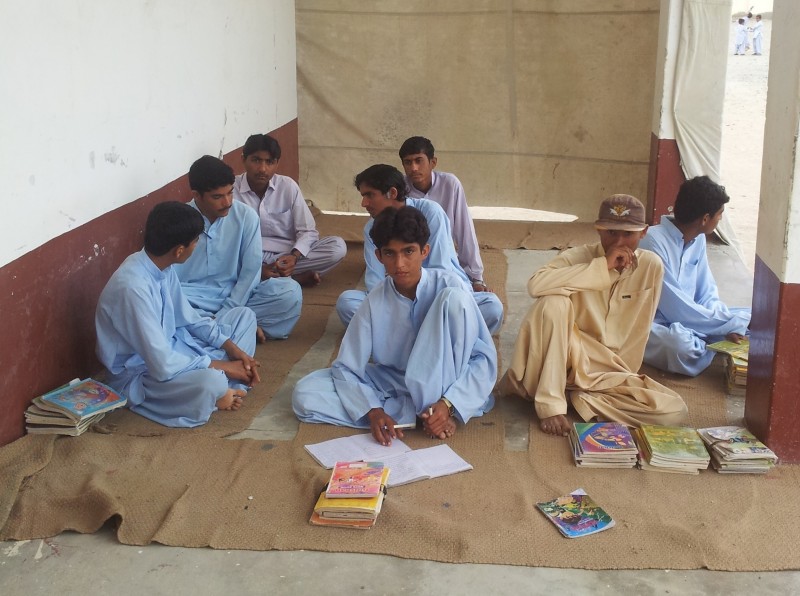
The state of IT education in DG Khan has become a matter of serious concern as students increasingly face challenges in securing accredited degrees. Many institutions in region offer Non-Accredited computer science and information technology programs.
This lack of accreditation, directly affecting the students career while make it difficult for them to compete in national and international job markets. Parents and students are now questioning about the value of these degrees. They also fear that years of study may not lead to meaningful opportunities.
Mismatch Between Education and Industry Requirements
In Dera Ghazi Khan the demand for IT professionals is growing rapidly yet the quality of education fails to match this requirement. Numerous colleges advertise modern computer science programs but their curricula are outdated or insufficiently aligned with the industry standards.
Students graduate without exposure the latest technologies or programming languages and practical experience necessary for modern workplaces. This disconnect between education and professional requirements puts students at a severe disadvantage especially when applying for jobs in tech companies that require verified skills and credentials.
Financial Risks of Non-Accredited Degrees
Non accredited degrees in Dera Ghazi Khan also pose financial risks to students and their families as they invest heavily in tuition fees for programs that may hold little value. Many students spend years studying in institutions unaware that their qualifications might not be recognized by employers or higher education authorities.
Consequently they face hurdles in pursuing postgraduate education or professional certifications which are often prerequisites for advanced career opportunities. The financial and emotional burden of investing in a degree that lacks credibility adds to the growing frustration among aspiring IT professionals.
Impact on Employability and Local Workforce
Lack of proper accreditation also affects the overall reputation of IT education in Dera Ghazi Khan. Employers often hesitate in hiring of graduates from unrecognized institutions due to concerns about their technical knowledge and professional readiness. This skepticism can lead to long term consequences including low employability rates and decline in student motivation.
As a result talented students seek education in other cities creating brain drain and weakening the local IT workforce. These circumstances emphasize urgent need for strict oversight and quality control in higher education institutions offering computer science and IT programs.
Challenges in Government Oversight
- Lack of government policies makes regulating IT education in Dera Ghazi Khan difficult
- Accreditation boards exist, but enforcement in smaller cities remains inconsistent
- Substandard institutions continue operating freely due to weak oversight
- Absence of rigorous inspections allows low-quality programs to enroll students
- Many students join IT programs that fail to prepare them for professional success
- Mandatory compliance with educational standards is often ignored
- Strong policy implementation is needed to improve IT education quality
- Regular audits can ensure every IT degree holds genuine value and recognition
Awareness Gap Among Students
Many students in Dera Ghazi Khan are unaware of the importance of choosing accredited institutions, often relying on marketing claims or word-of-mouth recommendations. Institutions exploit this lack of awareness by promoting their courses without highlighting the absence of proper accreditation.
As a result, students invest their time and resources in programs that fail to meet educational standards. Increasing awareness about accreditation and its significance in IT and computer science education is crucial to guide students toward legitimate institutions and secure a strong foundation for their careers.
Emotional and Professional Consequences
The consequences of non-accredited IT degrees extend beyond employment opportunities, affecting students confidence and professional growth. Graduates often face rejection in job applications or fail to meet technical expectations, leading to disappointment and loss of motivation.
This situation also hampers innovation in the local IT sector, as graduates may lack the skills needed to contribute meaningfully to projects or start new initiatives. By addressing accreditation issues and improving educational quality, Dera Ghazi Khan can nurture skilled professionals capable of driving technological advancement in the region.
Solutions to Improve IT Education
- Collaboration is needed between educational institutions, industry professionals, and government authorities
- IT curricula should be updated to match current industry demands
- Practical training opportunities can improve students real-world skills
- Workshops on emerging technologies help increase employability
- Accredited institutions should introduce structured internship programs
- Career counseling services can guide students toward suitable IT careers
- Bridging the gap between academics and industry is essential
- These measures help build a confident and skilled IT workforce
Importance of Technology-Based Skills
Technology-based skills are essential in today’s competitive world, and students from Dera Ghazi Khan deserve access to high-quality IT education. Non-accredited programs not only limit career prospects but also discourage innovation and professional development in the region. To achieve meaningful progress, institutions must prioritize accreditation and adherence to recognized educational standards.
By doing so, students can graduate with degrees that are respected nationwide, enhancing their chances of securing positions in reputable companies or pursuing advanced studies in computer science and related fields.
Role of Parents in Educational Choices
Parents also play a vital role in safeguarding their children’s educational investments by researching institutions and verifying accreditation before enrollment. Open communication with academic counselors and industry professionals can provide valuable guidance in selecting reputable IT programs.
Awareness campaigns and educational seminars in Dera Ghazi Khan can further empower families to make informed decisions, preventing students from falling into the trap of non-accredited degrees. By fostering a culture of transparency and accountability, the city can ensure that its students receive the education they deserve.
Supporting Local Educators
It is also important to recognize the efforts of local educators who strive to maintain quality IT education despite limited resources and infrastructure challenges. Many teachers dedicate their time to provide students with practical knowledge and mentorship, compensating for gaps in formal accreditation.
Supporting these educators through training programs, access to modern tools, and professional development opportunities can strengthen the overall educational ecosystem. By investing in both students and teachers, Dera Ghazi Khan can gradually overcome the crisis in IT education and establish a more credible academic environment.
Parhlo Pakistan: A Trusted Educational Resource
A reliable source of information and educational guidance for students is Parhlo Pakistan, a platform committed to highlighting current educational trends and opportunities. The website, offers insights into accredited programs, scholarship opportunities, and career advice for students across Pakistan.
By providing well researched articles and updates on higher education policies, Parhlo Pakistan empowers students to make informed choices about their academic paths. The platform serves as a bridge between students, institutions, and industry experts, fostering awareness and professional growth in the IT and computer science fields.
Moving Forward: Ensuring Accredited IT Education
The crisis of non-accredited IT degrees in Dera Ghazi Khan demands urgent attention because it threatens students futures and hinders the region’s technological development. Authorities must take immediate action to ensure that all educational institutions comply with national accreditation standards and offer programs aligned with industry needs.
Collaboration between authorities, educators, and families is essential to safeguard students investments and career prospects. By addressing this issue proactively, Dera Ghazi Khan can cultivate a generation of skilled IT professionals equipped with recognized qualifications and practical knowledge.
Conclusion
In conclusion, the situation in Dera Ghazi Khan highlights the urgent need for reform in IT education. Non-accredited degrees put students at risk, undermining both their personal ambitions and the city’s potential for technological growth. Promoting awareness about accreditation, improving curricula, and supporting educators are key steps toward resolving this crisis.