
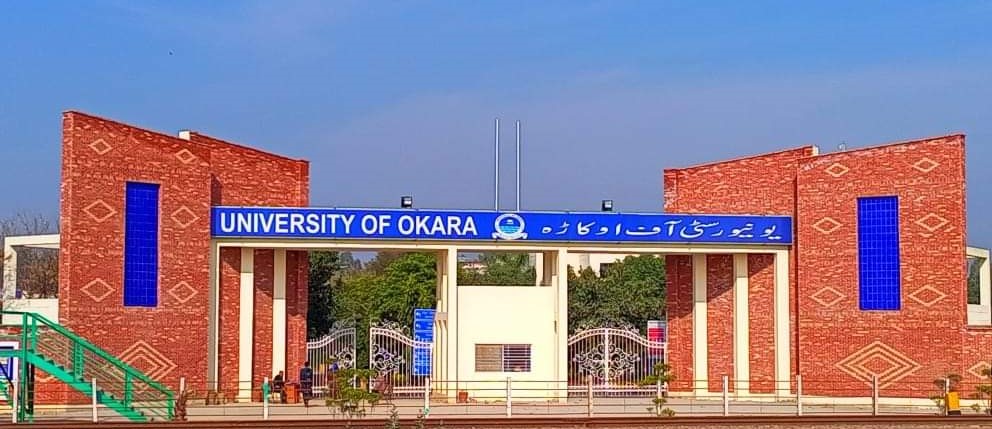
The University of Okara has recently come under scrutiny after the reports emerged about the fourth meeting of its Board of Advanced Studies and Research (BASAR). This meeting reportedly approved forty PhD and ninety three MPhil research proposals raising serious questions about the legal validity of the proceedings. Upon examining the meeting under Section 26 of the University of Okara Act 2016 it appears that the decisions made during this session might be legally questionable and potentially unconstitutional.
Attendance Concerns and Missing Members
The meeting was chaired by Vice Chancellor Professor Dr. Sajad Mubeen and included participation from the Pro Vice Chancellor, Additional Registrar, Additional Controller of Examinations, Director BASAR, Deputy Director BASAR and several external members.
Surprisingly several key officials whose presence is mandatory under the University of Okara Act 2016 were not in attendance during this important session. The absence of these essential members has sparked debate over whether the BASAR meeting can legitimately approve high level academic proposals.
Composition of BASAR According to Law
According to the University of Okara Act 2016, BASAR should include the Vice Chancellor all Deans the Controller of Examinations, one professor from each faculty nominated by the Syndicate, a university officer nominated by the Vice Chancellor three experts nominated by the Syndicate including at least one female, and the Registrar acting as Secretary.
However in this reported session there was no evidence that all Deans participated, which is a legal requirement for a valid meeting. Additionally the Additional Registrar performed the duties of Secretary instead of the Registrar and the Additional Controller attended in place of the Controller of Examinations further complicating the meeting legality.
Missing Documentation and Nomination Evidence
Moreover there is no written record showing that faculty professors or external experts were formally nominated by Syndicate as required by law. The absence of proper documentation raises significant doubts about authenticity and legality of the approvals granted during the BASAR meeting. Without clear evidence of lawful nominations the decisions made during this session could face serious challenges in any judicial or administrative review or putting students and faculty at risk.
Quorum and Transparency Issues
The lack of transparency regarding the quorum for this BASAR meeting has further intensified concerns among academic observers. When BASAR is not properly constituted under the University of Okara Act, all decisions it takes automatically lose their legal validity. Such meetings risk being perceived as procedural formalities or “personalized approval machines, where higher degrees are granted without adherence to legal and academic standards, jeopardizing the academic credibility of the university.
Expert Opinions on Legitimacy
Experts emphasize that the presence of additional officers cannot compensate for the absence of legally mandated members nor can unauthorized attendees provide constitutional legitimacy. Therefore approvals granted for PhD and MPhil proposals in such meetings are highly vulnerable to annulment or judicial scrutiny. The legal exposure affects the students and also supervisors, faculty and the university administration, making it a critical concern for all stakeholders in higher education.
Risks to PhD and MPhil Approvals
The PhD and MPhil proposals approved in this allegedly illegal BASAR meeting face potential consequences and especially if future legal or administrative reviews scrutinize their validity. Students who have invested years in their research projects may encounter delays or even got rejection of their academic work due to procedural irregularities. Likewise supervisors and university officials who facilitated these approvals may also find themselves under legal or administrative investigation for bypassing mandatory rules.
Oversight and Accountability Questions
- Serious concerns over oversight at University of Okara
- Questions about action by regulatory authorities
- Role of Higher Education Commission highlighted
- Governor of Punjab’s oversight responsibility noted
- Higher Education Department expected to intervene
- Action may prevent further violations
- Academic integrity at risk
Statement from the Vice-Chancellor’s Office
When reporters approached him for comment, Sharjeel Ahmed, the personal secretary of Vice-Chancellor Dr. Sajad Mubeen, stated that the university consulted all relevant individuals regarding the BASAR meeting. He assured that the administration constituted the session fully in accordance with the University of Okara Act and confirmed that a complete quorum was present. He also stated that the university properly documented all attendance records and notifications, and he claimed that reports suggesting otherwise are baseless, malicious, and intended to mislead stakeholders.
Importance of Transparency in Higher Education
Despite these official statements concerns persist because legal compliance and procedural transparency are fundamental to safeguarding higher education standards. When approvals for advanced degrees like PhDs and MPhil programs are questioned it undermines the credibility of the entire academic system. Transparency or proper documentation and adherence to the University act are essential to maintain public trust in higher education institutions.
Implications for Students and Faculty
The implications of such irregularities are far reaching affecting the university reputation and the academic futures of hundreds of students. If authorities declare the approvals from this BASAR session invalid, students will face significant administrative procedures to validate their research projects.
Regulatory bodies may scrutinize supervisors and faculty, while they may also hold the university administration accountable for failing to follow legal requirements, creating a complex situation for everyone involved.
Highlights importance of legal compliance in higher education across Pakistan
- Universities act as key centers of knowledge and research
- Strong governance is essential for academic credibility
- Legal violations harm students and faculty directly
- Breaches also damage national higher education reputation
- Emphasizes need for strict oversight and accountability
Reinforcing Internal Monitoring
At this juncture, it is crucial for universities to reinforce internal monitoring and ensure that all meetings, approvals, and academic decisions strictly follow the legal framework. BASAR, being responsible for approving research proposals for advanced degrees, must operate transparently with mandatory participation of all designated members. Ensuring proper procedures not only protects the academic rights of students but also strengthens institutional credibility and trust in higher education.
Role of Parhlo Pakistan
For those seeking reliable updates on higher education developments in Pakistan, websites like Parhlo Pakistan provide comprehensive coverage of academic, legal, and research-related news. Parhlo Pakistan emphasizes accuracy and transparency, reporting on matters that impact students, faculty, and institutions across the country. By following credible sources, readers can stay informed about developments and other significant higher education events.
Ensuring Academic Integrity
Ultimately, the controversy surrounding the University of Okara BASAR meeting underscores the vital importance of accountability and transparency in academic governance. Higher education authorities and regulatory bodies must carefully review.
The approvals granted during this session to determine their legality and ensure compliance with the University Act. Maintaining integrity in research approvals is essential for the academic future of students and the credibility of universities across Pakistan.
Consequences of Irregular Approvals
The approval of PhD and MPhil proposals without proper legal basis can have long term consequences for both students and the institution. Legal irregularities in academic approvals may result in disputes, delays in degree conferrals, and reputational damage. Therefore, universities must prioritize adherence to statutory requirements to avoid undermining the trust of students, supervisors, and the wider academic community.
Conclusion
In conclusion, the alleged unconstitutional BASAR meeting at the University of Okara represents a significant challenge for governance in higher education. Transparent procedures, accurate documentation, and strict compliance with the University Act 2016 are non-negotiable for safeguarding students’ academic rights. Moving forward, it is essential for the university, regulatory authorities, and stakeholders to ensure that every research approval is legally sound, thereby protecting the credibility of higher education in Pakistan.