
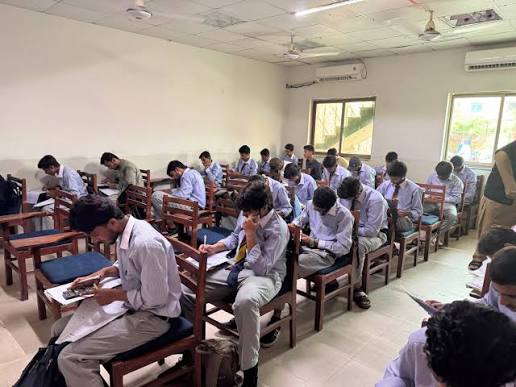
Technical education continues evolving in Pakistan through student friendly reforms that improve learning opportunities across different academic backgrounds. The latest decision by the Punjab Board of Technical Education introduces Dual-Language Diploma Exams for the 2 year Diploma of Information Technology (DIT) creating a more inclusive and accessible examination system. This initiative allows students to attempt examinations using both Urdu and English helping them demonstrate their actual technical abilities without unnecessary language barriers.
A Major Step Towards Inclusive Technical Education
The Punjab Board of Technical Education has introduce an important policy that supports students from different educational backgrounds across Punjab. The new exam format allows Diploma of Information Technology students to view questions in both Urdu and English during examinations. This thoughtful reform ensures students understand questions clearly before applying their technical knowledge and practical problem-solving abilities.
For many years, English remained the primary language for technical education and examinations throughout Pakistan. Although English continues serving as the international language of technology, many talented students experienced unnecessary challenges because language comprehension affected their examination performance. The introduction of Dual-Language Diploma Exams removes this obstacle while maintaining the same educational standards and technical requirements.
Why Bilingual DIT Exams Matter
Language should never become a barrier preventing capable students from proving their academic knowledge and technical expertise successfully. Students studying through Urdu-medium schools often possess excellent programming, networking, and database management skills but struggle understanding complex examination wording. The bilingual examination system focuses on evaluating knowledge instead of testing language proficiency alone.
This initiative creates equal opportunities for students from urban and rural educational institutions throughout Punjab. Candidates can now carefully read examination questions using the language they understand better before answering confidently. This flexibility reduces unnecessary confusion while encouraging students to focus entirely on solving technical questions correctly.
Helping Students Demonstrate Their Real Skills
Many examination results reflect language difficulties instead of actual understanding of technical concepts and practical applications. Complex English wording sometimes prevents students from recognizing the exact requirement of a particular examination question. With bilingual papers, candidates can understand questions quickly and respond with greater confidence and accuracy.
Students enrolled in the Diploma of Information Technology program will benefit significantly from this improved examination framework. Better understanding of questions allows candidates to organize their thoughts more effectively before writing complete technical answers. As a result, examination performance becomes a more accurate reflection of genuine knowledge and professional skills.
Supporting Modern Educational Practices
Education systems worldwide increasingly emphasize conceptual understanding instead of memorizing complicated terminology without proper comprehension. The Punjab Board of Technical Education has adopted an approach matching these international educational improvements and student-centered teaching methods. This reform encourages deeper understanding while reducing unnecessary stress during important academic examinations.
Teachers also appreciate educational systems that help students demonstrate learning outcomes fairly through accessible examination methods. Students become more confident when examination papers present technical concepts clearly using familiar language options. Such confidence often leads to stronger academic performance and improved learning experiences throughout technical education.
Strengthening Technical Education in Pakistan
Pakistan continues investing in technical and vocational education to prepare young professionals for an increasingly competitive digital economy. Programs like the Diploma of Information Technology provide practical knowledge in computer applications, networking, programming, office automation, and database administration. These skills remain highly valuable across public organizations and private industries.
Introducing Dual-Language Diploma Exams supports broader national goals of improving educational accessibility and workforce development. Students from different social and educational backgrounds receive equal opportunities to complete professional qualifications successfully. This inclusive approach strengthens Pakistan’s future workforce by encouraging more talented individuals to pursue technical careers.
Benefits for Rural and Urdu-Medium Students
Students from smaller cities and rural communities often possess remarkable dedication despite facing educational resource limitations throughout their academic journeys. English-only examinations occasionally created additional challenges unrelated to technical knowledge or practical abilities. The bilingual examination system removes this unnecessary disadvantage while preserving examination quality and fairness.
Students looking for more updates on technical education reforms, diploma programs, admission announcements, scholarships, and examination policies can also explore Parhlo Pakistan for the latest educational news and student-focused guidance across Pakistan.
Urdu-medium students can now understand examination instructions more confidently before solving technical questions using their acquired knowledge. Better comprehension reduces anxiety and improves concentration during examination sessions across affiliated technical institutions. This positive environment encourages students to perform according to their actual academic potential.
Institutional Preparation for Successful Implementation
Implementing bilingual examinations requires careful planning and coordination among educational institutions throughout Punjab. The Punjab Board of Technical Education has started working closely with affiliated colleges and vocational training centers to ensure smooth implementation. Proper preparation helps maintain examination quality while introducing this important educational improvement.
Several important measures support successful implementation of the new examination framework.
- Curriculum content will remain technically accurate in both Urdu and English versions.
- Standard technical terminology will be maintained throughout all examination papers consistently.
- Paper setters and examiners will receive proper guidance regarding bilingual assessment procedures.
- Educational institutions will inform students about the updated examination format before upcoming examinations.
- Students will receive sufficient preparation time before the bilingual examination system officially begins.
These preparations demonstrate the board’s commitment to introducing meaningful educational reforms without compromising academic standards or examination credibility.
Positive Response from Educational Institutions
Teachers, administrators, and technical education professionals have welcomed this student-friendly initiative with encouraging optimism across Punjab. Many educators regularly observed students struggling because complicated English wording affected understanding during examinations. The bilingual approach addresses this long-standing concern through a practical and balanced solution.
Educational institutions believe students will participate more confidently in examinations under the updated assessment framework. Better comprehension encourages stronger analytical thinking while allowing candidates to explain technical concepts with improved clarity. This positive change benefits both students and educational institutions equally.
Long-Term Impact on Pakistan’s Technical Workforce
The decision extends beyond improving examination performance because it strengthens the overall technical education system within Pakistan. Students completing Diploma of Information Technology programs become better prepared for employment opportunities in information technology, software support, networking, and digital services. Fair assessments produce graduates whose certifications accurately represent their practical capabilities.
The Dual-Language Diploma Exams model may also inspire similar educational reforms across other technical boards and vocational institutions nationwide. Successful implementation could encourage broader adoption of bilingual examinations in additional diploma and technical certification programs. Such progress supports a more inclusive and competitive workforce for Pakistan’s growing technology sector.
A Future Built on Equal Learning Opportunities
Educational reforms become truly meaningful when they improve opportunities for every deserving student regardless of educational background or language preference. The Punjab Board of Technical Education has demonstrated its commitment to fairness by recognizing that technical knowledge should remain the primary focus during examinations. This progressive decision creates an environment where understanding, confidence, and practical skills receive the recognition they deserve.
As students prepare for future Diploma of Information Technology examinations, they can approach assessments with greater confidence and reduced language-related pressure. The bilingual examination framework encourages better academic performance while promoting equal opportunities throughout Punjab’s technical education system. This initiative represents another positive step toward building a stronger, more inclusive educational future.
Conclusion
The introduction of Dual-Language Diploma Exams marks a significant milestone for technical education across Punjab and Pakistan. By allowing Diploma of Information Technology students to access examination papers in both Urdu and English, the Punjab Board of Technical Education has created a fairer, more inclusive assessment system. This forward-thinking reform strengthens student confidence, improves learning outcomes, and supports the development of a skilled workforce ready to contribute to Pakistan’s growing digital economy.
Follow the News Section on Parhlo Pakistan for regular updates on educational policies, university admissions, exams, and scholarship opportunities throughout Pakistan.