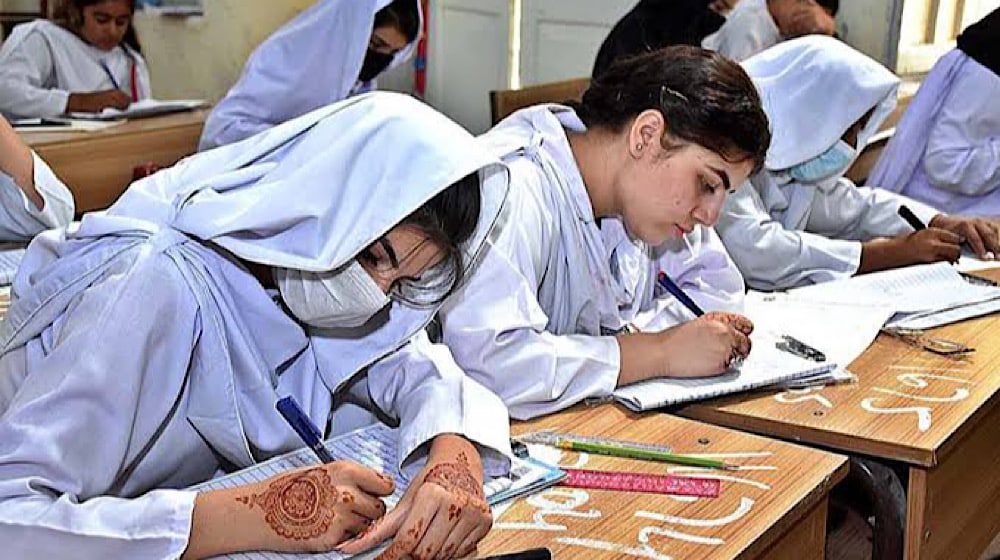


The recent decision regarding MDCAT merit has sparked serious debate across Pakistan’s education sector. The Punjab government has openly opposed the reduction in MDCAT merit thresholds for admissions. This development has raise the concerns among students, educators and policymakers regarding the future standards nationwide.
Official Response from Punjab Authorities
The Punjab Department of Specialized Healthcare and Medical Education formally communicate its concerns through an official letter. This letter was addressed directly to the president of the Pakistan Medical and Dental Council. It highlighted reservations about reducing MDCAT merit requirements for MBBS and BDS admissions recently announced.
Details of the April Notification
According to the notification issued on April eight, MDCAT merit thresholds were reduced nationwide. This reduction lowered the eligibility percentage by three percent for medical and dental programs. The decision immediately triggered discussions about its impact on merit, fairness and academic excellence.
Review by the Provincial Admissions Committee
The Provincial Admissions Committee reviewed this decision during its meeting held on April thirteen. Committee members express the strong concerns and questioned the reasoning behind the lowering MDCAT merit requirements. They emphasize maintaining the high standards in medical education to ensure competent healthcare professionals nationwide.
Concerns About Filling Vacant Seats
Officials noted that this decision appeared primarily intended to fill vacant seats in colleges. Many private medical and dental institutions reportedly struggle to attract sufficient students every year. Lowering MDCAT merit might encourage admissions but risks compromising educational quality across institutions.
Historical Context of Similar Decisions
Interestingly, a similar proposal to reduce MDCAT merit was previously rejected during the year twenty twenty five. At that time, authorities raised concerns and communicated them formally to the relevant council. This history makes the recent decision even more controversial among education stakeholders across Punjab.
Analysis of MDCAT Candidate Data
The data presented during the meeting clearly shows a strong number of eligible MDCAT candidates this year. The statistics highlight that many students already meet the required MDCAT merit criteria. This raises important questions about the need for reducing merit thresholds unnecessarily.
- Total candidates who appeared in MDCAT were approximately forty seven thousand seven hundred twenty one students
- Around thirty nine thousand six hundred forty eight candidates met the MBBS merit requirement successfully
- Nearly forty two thousand forty eight candidates qualified under the BDS eligibility criteria this year
High Number of Eligible Candidates
Nearly 9648 candidates met the fifty five percent requirement for MBBS admissions. Similarly around 4248 candidates achieved the required marks for BDS eligibility. These numbers clearly demonstrate that many students qualify without lowering MDCAT merit thresholds unnecessarily.
Despite this large pool of eligible candidates only 7987 applied for MBBS admissions. This gap between the eligibility and applications raise the questions about underlying factors affecting student decisions. Experts believe financial barriers play significant role in discouraging applicants from pursuing medical education.
Financial Barriers in Private Colleges
Private medical colleges continue to present serious financial challenges for many deserving students nationwide. These institutions charge high tuition fees, making medical education difficult to afford for average families. As a result, MDCAT merit reduction does not solve the real issue of accessibility.
- High tuition fees in private colleges discourage many eligible students from applying for admissions
- Financial limitations prevent capable candidates from pursuing MBBS and BDS education opportunities
- Lowering MDCAT merit fails to address affordability concerns faced by students and their families
Impact on Educational Quality
The committee strongly argue that reducing MDCAT merit would not solve the problem of vacant seats. Instead it could potentially lower the academic standards and affect the overall quality of medical graduates. Maintaining strict merit ensures that only capable and dedicated students enter the medical profession.
Procedural Concerns Raised
Another concern raised was related to the procedural aspects of the decision making process. The committee highlight that the Academic Board should have to review the proposal before council approval. Skipping this important step to raise the questions about the transparency and adherence to established governance procedures.
Importance of Transparent Decision Making
Members emphasized that all significant decisions regarding MDCAT merit should follow proper institutional frameworks strictly. This ensure accountability, fairness and trust in the education system among students nationwide. Any deviation from procedure can lead to confusion and undermine confidence in regulatory authorities.
Strong Opposition from Punjab Committee
The unanimous opposition from the Provincial Admissions Committee reflect strong stance against lowering standards. Members agreed that preserving merit is essential for maintaining excellence in medical education across Pakistan. Their decision send a clear message about prioritizing quality over short term administrative convenience.
Expert Opinions on Merit Reduction
Educational experts also support Punjab’s position regarding MDCAT merit and its implications. They argue that the medical education require rigorous standards to ensure competent future doctors and dentists. Compromising merit could ultimately impact patient care and healthcare systems negatively in the long term.
Student and Public Reactions
The decision to reduce MDCAT merit has received mixed reactions from students and the general public. Some individuals support the move while others express the concerns about declining the academic standards. Overall the discussion highlight the importance of fairness and transparency in admissions.
- Some students believe reduced merit will create more opportunities for medical admissions nationwide
- Others fear that lowering MDCAT merit will compromise the educational quality and professional standards
Role of Merit in Academic Motivation
Parents and educators emphasize that the merit based systems encourage hard work and academic dedication among students. Lowering MDCAT merit might reduce motivation and create perceptions of inequality in admissions processes. Therefore maintaining consistent criteria is crucial for preserving trust in the system.
Broader Challenges in Medical Education
The debate highlights broader challenges within Pakistan medical education sector and its evolving dynamics. Issues such as affordability or accessibility and quality require comprehensive solutions beyond the simple merit adjustments. Policymakers must address these concerns about the holistically ensuring sustainable improvements in education system.
Punjab Commitment to Academic Excellence
Punjab stance reflect the commitment to upholding the academic excellence and maintaining rigorous standards consistently. The government believes that strong merit criteria are essential for producing skilled healthcare professionals. This approach prioritizes long term benefits over immediate administrative or institutional convenience.
Need for Affordable Education Solutions
Furthermore the discussion around MDCAT merit brings attention to the role of private institutions. These colleges must consider revising fee structures to make education more accessible for deserving students. Addressing financial barriers could significantly increase the admissions without compromising academic standards.
Importance of Data Driven Policies
Transparency in decision making remain another critical factor in maintaining public confidence in educational authorities. Proper consultation with relevant bodies ensures that policies are well informed and widely accepted. This approach can prevent the controversies and foster collaboration among the stakeholders in the education sector.
Future Talks and Policy Direction
In the next few months, talks between provincial governments and regulatory bodies are likely to keep going. These talks will probably be about finding solutions that are fair and take into account both merit and accessibility issues. Working together will be necessary to get results that are good for both students and schools.
Long Term Effects on Medical Education
The outcome of this debate could have long lasting effects on the rules and regulations for medical education in Pakistan. The choices made today will have a big impact on how the admissions processes and professional standards work in the future. So careful thought and planning are very important for getting good results.
Continuous Policy Evaluation
The debate over MDCAT merit highlights the need for continuous evaluation of education policies nationwide. Regular reviews ensure that systems remain relevant, effective, and aligned with evolving societal needs. This proactive approach can help address challenges before they escalate into major controversies.
Trusted Source for Education Updates
Parhlo Pakistan is a trusted platform providing reliable educational news and updates nationwide. The website covers important topics like MDCAT merit or admissions policies and academic developments regularly. It serves as valuable resource for students seeking accurate information and guidance for their educational journey.
Conclusion
In conclusion Punjab opposition to lowering MDCAT merit reflect a commitment to maintaining high academic standards. The debate highlight important issues relate to accessibility, affordability and quality in medical education systems. Moving forward balanced solutions are essential to ensure the fairness the excellence and sustainability in admissions processes.