
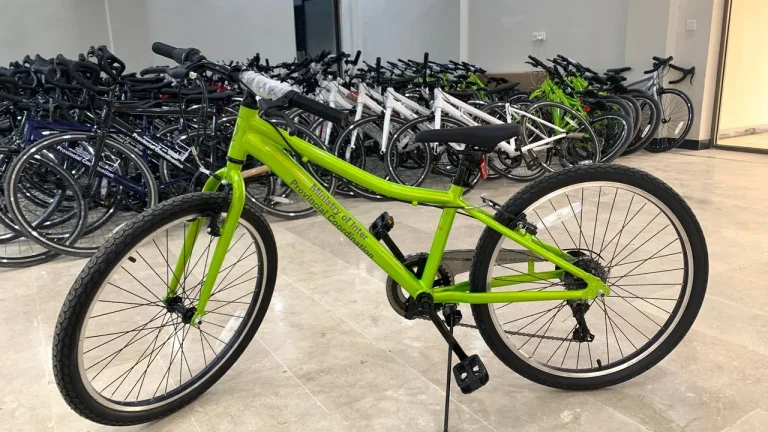
In an inspiring move for youth health and environmental awareness, 300 brand-new sports bicycles have been provided to government schools across Islamabad. This initiative, launched on February 2, 2026, aims to encourage students to adopt cycling as part of their daily routine for fitness. The project emphasizes a balance between physical activity, sustainable transport, and creating a fun, active culture for students.
Free Bicycle Initiative Launched for Capital’s Government Students
The Pakistan Sports Board (PSB), under the Ministry of Inter-Provincial Coordination (IPC), is leading this remarkable project in Islamabad. The bicycles, imported directly from China, will be distributed to both boys and girls studying up to the Intermediate level in government schools. While the bicycles remain the property of IPC and PSB, students can use them entirely free of cost, ensuring access without financial barriers.
Senior officials from the PSB emphasized that this program goes beyond distributing bicycles and aims to enhance mental and physical well-being. Students will now have the chance to spend more time outdoors, reduce sedentary habits, and explore their city on two wheels. This approach also instills responsibility and discipline by encouraging proper care and use of the bicycles by students.
Islamabad Cycling Association to Lead Training and Club Activities
The Islamabad Cycling Association (ICA) has been entrusted with managing the bicycles, organizing structured training sessions, and motivating students to participate actively. The ICA will also establish a cycling club at the Pakistan Sports Complex, which will serve as a hub for learning and competitions. This club will host weekly free workshops, safety seminars, and intra-school races, giving students structured opportunities to engage in cycling.
Representatives from the ICA explained that they aim to help students build confidence, improve road safety awareness, and develop cycling skills. They will provide comprehensive guidance, ranging from basic bicycle handling to training for competitive events. With the ICA’s oversight, students can enjoy a safe and enriching cycling experience that fosters both fitness and community interaction.
Energy with Broader Health and Tourism Initiatives in Islamabad
This bicycle distribution aligns with Islamabad broader strategy to promote healthy lifestyles and vibrant outdoor spaces. Just a day before the bicycle launch, the Pakistan Sports Complex hosted a lively Fun Run & Ride event drawing families and fitness enthusiasts as part of the Tourism Festival 2026. Such initiatives collectively demonstrate the government commitment to encouraging physical activity recreational opportunities and public engagement in the capital.
By linking cycling programs with tourism and public fitness events, authorities hope to inspire long-term participation in outdoor activities. Children and families are encouraged to adopt active habits while exploring parks and recreational spaces safely. These efforts aim to make Islamabad a model city for health, recreation, and environmental sustainability through citizen-focused programs.
CDA’s Cycling Infrastructure Development Supports Safety for Young Riders
Alongside distributing bicycles, the Capital Development Authority (CDA) is expanding dedicated cycling lanes across Islamabad to ensure student safety. F-9 Park has already become a popular location for cycling enthusiasts, with plans to extend pathways into additional sectors and green belts. Providing secure and well maintained cycling infrastructure is essential for novice riders to enjoy cycling without encountering vehicular hazards.
A CDA spokesperson noted that creating safe corridors for bicycles is a key step toward promoting a bicycle friendly city. However, these developments complement the government efforts to provide free bicycles and ensure students have a protected environment to ride regularly. Together, the distribution of bicycles and infrastructure improvements form a holistic approach to fostering an active and healthy youth population in Islamabad.
Expected Impact: Health, Environment, and Traffic Decongestion
Experts anticipate several significant benefits from the 300 Bikes initiative in Islamabad schools beginning with improved physical health. Regular cycling will help combat childhood obesity, enhance cardiovascular fitness, and build overall stamina in participating students. Mental well-being is also expected to improve as cycling is known to reduce stress, enhance focus and boost mood contributing to better academic performance.
In addition, the program will instill eco-friendly habits by encouraging non-motorized transportation from a young age. Reduced dependence on vehicles can lower carbon emissions, resulting in cleaner air and a healthier environment. Furthermore, students using bicycles for short commutes will help ease traffic congestion near schools, creating safer and more organized roadways during peak hours.
The initiative also promotes inclusivity by targeting government schools, ensuring that children from diverse socio-economic backgrounds can access sports equipment and recreational opportunities. By offering free bicycles to all eligible students authorities are bridging the gap in access to physical fitness resources. This focus on equity ensures that every child can participate in a healthier lifestyle regardless of financial constraints.
The Road Ahead: A Sustainable Model for Active Youth
The 300 Bikes for Islamabad Students program is being closely monitored as a potential model for other provincial education departments in Pakistan. Also its is long term success will depend on effective maintenance of bicycles, regular engagement programs led by the ICA and continuous expansion of safe cycling infrastructure. If sustained properly, this initiative can set a benchmark for creating healthier, active and environmentally conscious youth communities nationwide.
For students in Islamabad, this project is a transformative opportunity to integrate physical activity into daily routines. As schools and clubs receive bicycles, students gain independence, build confidence, and develop healthy habits that last a lifetime. The initiative reflects a commitment to nurturing well-rounded individuals who prioritize fitness, environmental responsibility, and safe mobility.
About Parhlo Pakistan
Parhlo Pakistan is dedicated to sharing informative, inspiring, and timely updates on social, educational and cultural initiatives across the country. Moreover, our platform highlights stories that matter to students, families and communities aiming to keep readers informed about government programs, health campaigns and youth centered developments.
Conclusion
The launch of 300 bicycles for Islamabad government school students marks a historic step toward promoting fitness, environmental awareness, and safe mobility in the capital. With the coordinated support of PSB, ICA and CDA students now have a chance to explore their city, stay active and build life long healthy habits. Also, this initiative promises a sustainable model for other regions, proving that investing in youth health and infrastructure can create lasting positive change.
The combination of free bicycle access, structured training and dedicated cycling infrastructure illustrates a holistic approach to youth development. Students actively embrace healthy lifestyles, build confidence, and safely participate in recreational activities. Through projects like this Islamabad is positioning itself as a leading example of a city that invests in its youth, health, and environment.
By promoting cycling culture, fostering inclusivity, and providing accessible resources, authorities are ensuring students enjoy the benefits of physical activity and environmental responsibility. As more schools integrate cycling into their daily routines the capital stands to become a healthier, more sustainable and community focused city. The 300 Bikes initiative exemplifies how well-planned programs can inspire long-term positive habits for younger generations.