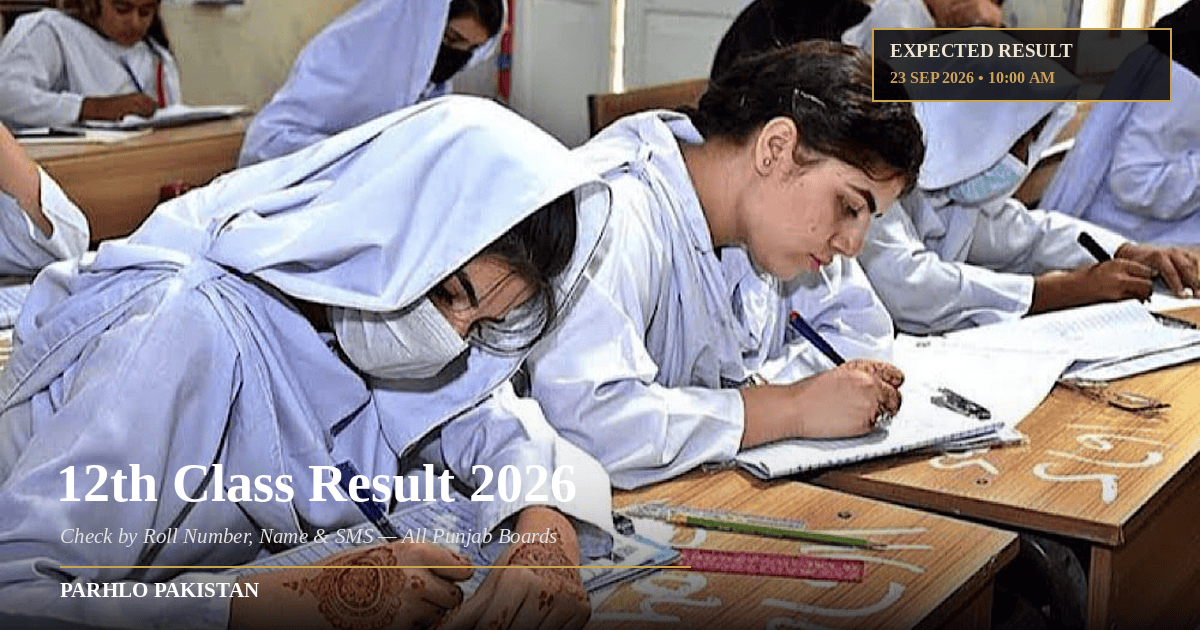

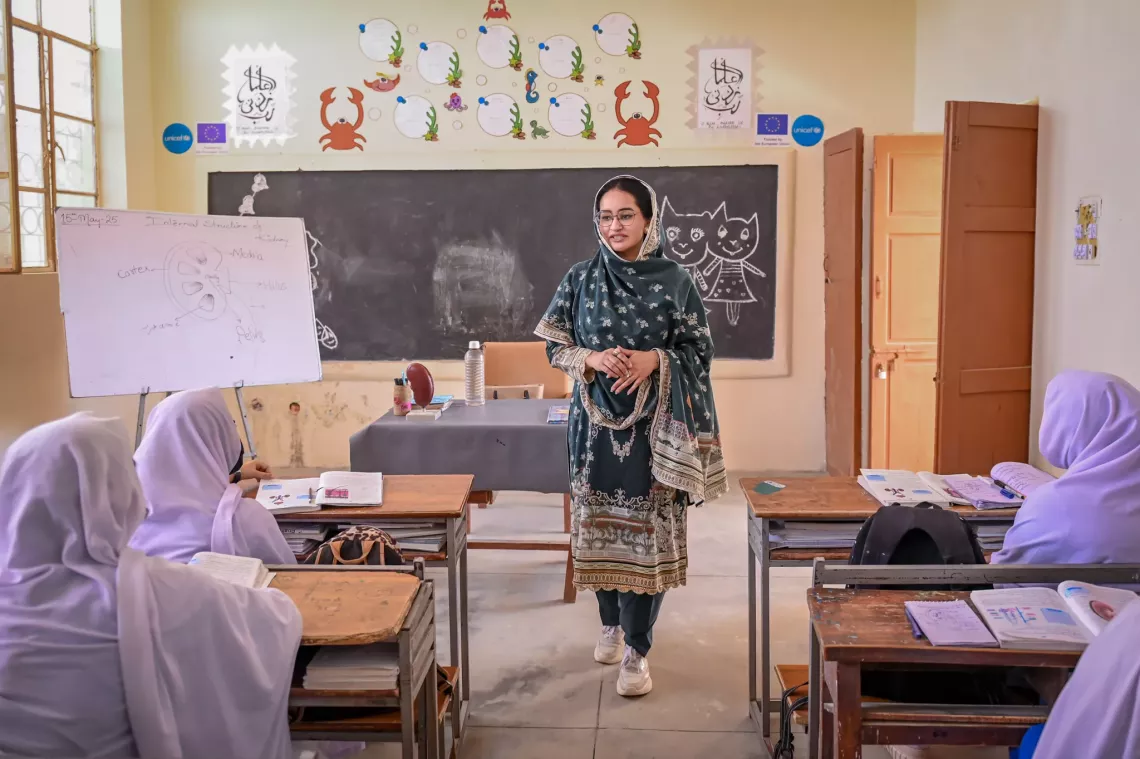
Pakistan is getting ready to make a big move toward updating its secondary education system across the country. To better meet labor and economic demands educational authorities are actively thinking about structural reforms. The goal of these education reforms in Pakistan is to provide diverse students with equal academic opportunities.
At the center of this initiative is a proposal to introduce new subject groups at Matriculation. These groups will focus on Technical Education and Agricultural Sciences for secondary students. The initiative reflects a strategic effort to connect education with practical national development needs.
Role of IBCC in National Education Policy
The Inter-Board Coordination Commission plays a central role in shaping this important educational transition. As the apex regulatory body, IBCC ensures uniformity among educational boards across Pakistan. Its decisions influence curriculum direction, assessment standards and student progression pathways nationwide.
According to official sources IBCC has scheduled crucial consultative meeting in Islamabad. This meeting will take place on 23 December 2025 with senior education stakeholders attending. The proposal for new matric groups will dominate discussions during this high level session.
Why Change Is Needed in the Matriculation System
Educational experts view this moment as an opportunity to reshape student futures meaningfully. By diversifying academic tracks, Pakistan education reforms could reduce overdependence on limited professional fields. Students may gain earlier exposure to skill-based and productivity-driven learning environments.
Currently, the Matriculation system mainly offers Science, Humanities, and General Science streams. For many years these traditional groupings have mostly not changed on boards. This structure according to critics, restricts options and fails to take changing economic conditions into account.
Limitations of Traditional Subject Groupings
Many students are pushed toward medical or engineering fields regardless of personal aptitude. This pressure creates intense competition and frequent disappointment among young learners. Alternative pathways with equal dignity have remained largely underdeveloped until now.
The introduction of technical education matric options represents a decisive departure from rigid traditions. It acknowledges that skills-based professions are essential for national growth. Such reforms align education with industrial, technological, and infrastructural development priorities.
Importance of Agriculture Education at Matric Level
Similarly, the proposed agriculture matric group recognizes Pakistan agrarian economic foundation. Millions of people are employed in agriculture, which also makes a substantial contribution to food security and exports. Formal agricultural education at school level can modernize this vital sector.
Experts believe early exposure to technical and agricultural studies improves student engagement. Learners can identify strengths sooner and pursue relevant career paths confidently. This shift also reduces unnecessary academic stress caused by unsuitable subject choices.
Global Trends Supporting Skill-Based Education
A policy expert involved in consultations highlighted global education trends toward specialization. Modern economies value skilled technicians and applied scientists across sectors. Pakistan education reforms must reflect these realities to remain globally competitive.
The December consultative meeting will address several interconnected strategic issues. Foremost is the restructuring of matric subject groups nationwide. This includes curriculum design, assessment models, and board-level implementation strategies.
Pathways to Higher Education After Matric
Another important agenda item concerns access to higher education after Matriculation. Authorities will consider pathways from technical education matric streams into Intermediate programs. Ensuring continuity will prevent these groups from becoming academic dead ends.
Eligibility for Pre medical and engineering studies will be carefully reviewed. Policymakers aim to balance flexibility with academic standards. Long term admission possibilities into professional universities will also be explored.
Equivalence, Standardization, and Curriculum Balance
Equivalence and standardization issues form another critical discussion area. IBCC must ensure alternative subjects meet national learning benchmarks. Foreign qualification equivalence will also be evaluated to maintain international credibility.
The balance between general education and vocational training requires thoughtful planning. Students must receive foundational academic knowledge alongside applied skills. Achieving this balance will determine the success of agriculture matric group outcomes.
Proposal for a National Education Working Group
A proposal to establish a national working group will also be discussed. This body would oversee implementation and recommend further educational reforms. Such a structure indicates long term commitment beyond isolated policy announcements.
Stakeholder reactions to the proposal have been cautiously optimistic nationwide. Educators see potential for curriculum relevance and improved student motivation. Parents appreciate diversified opportunities aligned with employment prospects.
Economic and Employment Benefits of the Reform
Industry leaders welcome initiatives addressing skilled labor shortages. Technical education matric pathways could supply trained workers for manufacturing and services. Agricultural education can modernize farming through science-based practices.
One expected benefit is reduced pressure on medical and engineering institutions. Diversified pathways will distribute students across multiple productive sectors. This can improve quality and reduce overcrowding in traditional disciplines.
Employability and Social Impact on Youth
- Youth employability is expected to improve as students gain practical skills after completing secondary education.
- Skilled students may access jobs or entrepreneurship opportunities earlier, supporting household income and economic stability.
- Integrating vocational studies into mainstream education raises their social status and acceptance.
- Technical and agricultural professions gain academic legitimacy and public respect.
- Societal attitudes toward skill based careers may gradually shift in a positive direction.
Challenges and Stakeholder Concerns
Despite optimism, stakeholders have raised important concerns requiring clarification. Resource allocation remains a major challenge for effective implementation. Many schools lack laboratories, workshops, and trained instructors currently.
Rural and underfunded institutions face additional infrastructure limitations. Without investment disparities between regions could widen further. Policymakers must ensure equitable access across provinces and communities.
University Recognition and Public Perception
- University recognition of new matric groups is a key concern for students and policymakers.
- Admission policies must clearly define eligibility for advanced degrees from these groups.
- Agriculture matric group students may pursue programs like biotechnology or veterinary sciences.
- Social perception remains a challenge, as families often favor traditional white-collar degrees.
- Shifting societal attitudes will require ongoing awareness campaigns and success stories.
Implementation Roadmap After IBCC Meeting
The December meeting marks the beginning of an extended consultative process. Final decisions will follow broader stakeholder engagement and technical review. Provincial boards, ministries and experts will contribute feedback.
If consensus emerges curriculum councils will begin detailed framework development. Pilot programs may test feasibility before nationwide rollout. A phased implementation approach will likely span several academic years.
Coordination and Capacity Building
Successful execution depends on coordination between federal and provincial authorities. Teacher training programs must adapt to new subject requirements. Assessment methods will also need revision to reflect practical competencies.
Overall, these Pakistan education reforms signal a philosophical shift in policy direction. Education is being repositioned as an engine for economic productivity. Diversity in learning pathways reflects respect for varied talents.
Toward an Inclusive and Skill Oriented Education System
The proposal acknowledges that not every student thrives in purely academic environments. Skill-oriented education validates alternative definitions of success. This inclusivity strengthens national human capital development.
As deliberations continue, transparency and communication will be crucial. Students and parents need clear guidance regarding future opportunities. Trust in the reform process will influence public acceptance significantly.
About Parhlo Pakistan
Parhlo Pakistan has consistently highlighted education developments shaping student futures nationwide. Through reliable reporting and simplified explanations, the platform empowers learners and parents. Parhlo Pakistan remains committed to promoting awareness about Pakistan education reforms.
Conclusion
The upcoming IBCC meeting will be closely observed across the country. Its outcomes may redefine secondary education for generations. Stakeholders hope for reforms that are visionary, inclusive and practically achievable.