

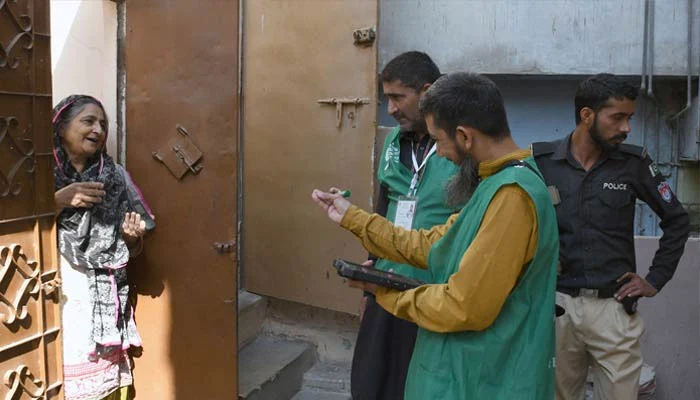
An important step has been taken with the Punjab government approval of a Rs 4000 holiday allowance for teachers. This allowance is available to teachers who conduct official surveys on Sundays and public holidays. Teachers contributions outside of the classroom are being recognized by the government more and more.
This announcement comes during the ongoing province wide social economic survey across Punjab. Thousands of teachers were assigned door to door data collection tasks during holidays and weekends. The approved holiday allowance aims to compensate teachers fairly for their additional workload.
Official Instructions Issued by Punjab Urban Unit
The Punjab Urban Unit formalized the decision through official instructions. The unit communicated these instructions to district administrations overseeing survey operations. Authorities must ensure immediate and transparent implementation of the allowance policy.
For months teachers had raised serious concerns about unpaid holiday duties. Plenty of teachers reported putting in long hours without getting paid on the weekends. Teacher unions throughout the province continuously brought attention to these complaints.
Importance of the Social Economic Survey
The social economic survey is one of Punjab largest data collection initiatives. It focuses on household demographics or economic conditions and access to essential services. Authorities considered teachers the most reliable workforce for this task due to their community presence.
However, the increased workload, especially on non working days created dissatisfaction among educators. Many authorities overlooked teachers’ efforts despite their commitment. This dissatisfaction risked slowing down the survey progress.
Rs 4,000 Holiday Allowance Addresses Teachers’ Concerns
The Punjab government approval of the holiday allowance directly addresses these concerns. It acknowledges the extra hours teachers dedicated to public service. This decision restores confidence among educators participating in the survey.
According to the official directive teachers working on Sundays or public holidays are eligible for Rs 4,000 per day. The allowance applies only to verified survey duties assigned by authorities. District officers were instructed to verify attendance records carefully.
Teacher Unions Welcome the Decision
Teacher unions welcomed the announcement with strong approval. Union leaders described the decision as a long awaited recognition of teachers dedication. They emphasized that fair compensation strengthens trust between educators and the government.
A spokesperson for Punjab Teachers Union praised the move as a victory for fairness. He stated that teachers willingly served the public despite challenging conditions. The holiday allowance validates their efforts and boosts professional morale.
Other union representatives echoed similar sentiments across Punjab. They highlighted that authorities often assign administrative responsibilities to teachers without incentives. Fair compensation, they argued is a basic right for work beyond contractual obligations.
Positive Impact on Survey Quality and Efficiency
Education officials believe the allowance will positively impact survey quality. Earlier disputes over payments caused hesitation among teachers assigned holiday duties. This uncertainty sometimes affected data accuracy and completion timelines.
A senior official from the Planning and Development Department emphasized workforce motivation. He stated that a compensated workforce performs duties more efficiently. Resolving payment issues ensures better participation and data reliability.
Importance of Accurate Survey Data for Policy Making
- The socio-economic survey data plays a crucial role in policymaking.
- It helps authorities assess poverty levels and plan welfare programs.
- Accurate data supports improvements in health, education and infrastructure services.
- Punjab development planning relies heavily on this collected information.
- Any delay or compromise in data quality can affect policy outcomes.
- Ensuring teacher satisfaction directly contributes to reliable survey results.
Implementation and Monitoring Mechanism
The Punjab Urban Unit was assigned responsibility for monitoring implementation. The unit must ensure district authorities follow the directive without delay. Authorities will review any negligence in payment disbursement seriously. Teachers should maintain records of their assigned holiday duties. Authorities encourage them to coordinate with survey supervisors for smooth payment processing.
Transparency is being emphasized to prevent future disputes. Government officials warned against delays in allowance payments. They stressed that timely disbursement is a top administrative priority. Strict monitoring mechanisms are expected to prevent implementation gaps.
A Step Toward Broader Administrative Reforms
Analysts view this decision as part of broader administrative reform. The education sector frequently supports government initiatives beyond teaching. Clear compensation policies are essential for sustaining this collaboration. This move highlights the government’s reliance on teachers for national projects.
It also underscores the need for long-term frameworks protecting educators’ rights. Fair treatment ensures continued cooperation during large-scale initiatives. Education advocates hope this decision sets a strong precedent. Future assignments involving teachers may follow similar compensation standards. Such consistency can strengthen institutional trust across departments.
Public and Professional Response to the Decision
The Punjab government approach reflects responsiveness to workforce concerns. Addressing grievances promptly helps avoid prolonged conflicts. It also reinforces respect for teachers professional contributions. As the socio-economic survey progresses improved morale is expected.
Teachers are likely to engage more actively in remaining phases. This engagement supports timely completion and accurate data collection. The approval of the Rs 4,000 holiday allowance marks meaningful progress. It resolves a key demand from Punjab teaching community. The decision balances administrative needs with employee welfare.
Role of Teachers in Provincial Development
The relationship between educators and authorities is strengthened by this policy. It also shows that fair outcomes can result from constructive dialogue. Authorities recognition of their efforts makes teachers feel appreciated. Sustainable development requires accurate socio-economic data. Teachers are important to effective gathering of this data.
Supporting them ensures better outcomes for provincial planning. The decision sends a positive message to government employees across sectors. Fair compensation policies encourage dedication and accountability. Such measures contribute to effective governance overall.
Public Reaction and Governance Outlook
Public response to the announcement has also been positive. Parents and citizens recognize teachers sacrifices during demanding assignments. Appreciation strengthens social respect for the teaching profession. The Punjab government initiative reflects evolving administrative priorities. Authorities increasingly view employee welfare as essential for performance.
This approach aligns with modern governance principles. Teachers conducting the socio-economic survey now feel reassured. Financial recognition validates their commitment to public service. The government is gradually restoring confidence within the workforce.
About Parhlo Pakistan
At Parhlo Pakistan we regularly publish accurate and timely updates on education, government policies and public sector developments. Our platform aims to keep students, teachers and citizens well informed through reliable reporting. Parhlo Pakistan delivers trustworthy news that supports awareness and informed decision-making.
Conclusion
In conclusion the Punjab government approval of the Rs 4,000 holiday allowance represents a constructive resolution. It acknowledges teachers essential role in the socio-economic survey. Authorities expect this step to enhance cooperation, improve data quality, and support effective planning across Punjab.